

The Sydney crowd was treated to a masterclass in grit as Chelsea faced Tottenham in a pre-season encounter that defied the typical “friendly” label. Under the burgeoning tenure of Xabi Alonso, Chelsea exhibited a sophisticated, possession-heavy tactical structure, yet they ultimately fell 1-2 to a resilient Tottenham side that navigated a late red card with startling defensive discipline. This match serves as the ultimate litmus test for both squads, offering a glimpse into the tactical identity each manager is attempting to forge ahead of the 2026/27 Premier League campaign.
While initial reports have focused on the scoreline and the headlines surrounding Richarlison’s late winner, the true substance of this chelsea vs tottenham showdown lies in the intricate chess match occurring on the pitch. From Alonso’s integration of new signings into his fluid system to the structural fortitude Tottenham maintained down a man, there is a wealth of untapped tactical data to explore. We are moving past the match report to provide a deep-dive analysis into the specific movements, defensive shifts, and player roles that will define the upcoming season.
Sydney Showdown: Tottenham Edge Chelsea 2-1 in Thrilling Pre-Season Clash

The August 1, 2026, chelsea vs tottenham friendly at Accor Stadium in Sydney served as a high-stakes litmus test for both London giants as they prepare for the upcoming campaign. In a match that defied the usual lethargy of pre-season exhibitions, Tottenham Hotspur emerged victorious with a 1-2 scoreline, proving their tactical resilience even under duress. The encounter was defined by a stunning late winner from Richarlison, who capitalized on a clinical counter-attacking opportunity during the closing minutes of the game. This result provides significant momentum for Spurs, who displayed commendable defensive discipline despite being reduced to 10 men for a significant portion of the second half following a red card.
For Chelsea FC, this match marked a pivotal introduction to the side’s new tactical identity under head coach Xabi Alonso. While the result was disappointing for the Blues, the fixture offered a glimpse into Alonso’s evolving philosophy, emphasizing high-press transitions and possession-based control. Despite the loss, Chelsea dominated large phases of the midfield battle, though they struggled to convert opportunities into definitive leads—a recurring challenge that the squad will look to address before the start of the Premier League season.
Key Takeaways from the Sydney Encounter
- Richarlison’s Impact: The Brazilian forward’s late goal served as a timely reminder of his clinical finishing ability, securing a win against their fierce rivals despite a numerical disadvantage.
- Tottenham’s Defensive Grit: Being reduced to 10 men forced the Spurs to adopt a compact low block, providing a masterclass in defensive positioning and structural integrity under pressure.
- Alonso’s Chelsea Experiment: Chelsea f.c showed promising glimpses of a more structured, cohesive build-up play, though the late lapse in concentration highlighted areas requiring further refinement.
- Pre-Season Significance: Beyond the basic scoreline, the match acted as a crucial fitness and tactical assessment, with both managers utilizing the opportunity to rotate their rosters and integrate fresh talent into their starting lineups.
Ultimately, this chelsea vs spurs matchup highlighted that while individual brilliance often decides pre-season friendlies, structural organization remains the cornerstone for success. As both clubs look toward the 2026/27 campaign, the lessons learned in Sydney will undoubtedly shape their tactical approach to the competitive fixtures ahead.
The Xabi Alonso Era: Analyzing Chelsea’s Tactical Identity
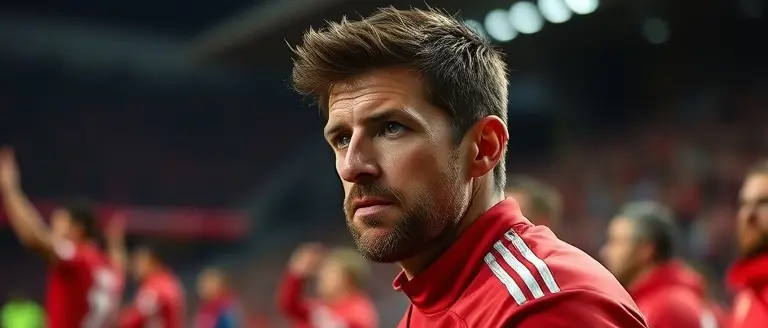
The arrival of Xabi Alonso as manager of Chelsea FC marks a significant departure from the structural unpredictability of previous campaigns. In the recent chelsea vs tottenham friendly in Sydney, observers saw the first tangible evidence of Alonso’s philosophy: a transition toward a more methodical, ball-dominant structure that prioritizes controlled build-up play from the back. Unlike the high-chaos transition style often seen in recent years, Alonso’s Chelsea f.c. setup emphasizes patience, utilizing inverted fullbacks to overload the central midfield and create numerical superiority during the initial phases of progression.
Key Tactical Shifts and Early Observations
Evidence suggests that Alonso is fostering a high-intensity pressing system that remains disciplined rather than reactive. During the 1-2 loss to Spurs, the side demonstrated a more cohesive vertical compactness, though early signs of “system friction” were apparent, particularly during defensive transitions. The squad is clearly in a period of heavy integration, with the following areas highlighting the current tactical evolution:
- Controlled Build-up: Chelsea’s defenders now favor short, horizontal passing sequences to lure opponents out of their defensive shape, a stark contrast to the more direct long-ball approach of the past.
- Pressing Intensity: The team displayed a clear commitment to an aggressive high press immediately upon losing possession, though timing issues often left gaps behind the defensive line.
- Tactical Flexibility: Alonso’s willingness to tweak the midfield rotation suggests he is still identifying the optimal balance for the 2026/27 Premier League season, seeking to accommodate both high-energy runners and composed playmakers.
While the result against Tottenham was unfavorable, the tactical blueprint is coherent. The struggle to break down a 10-man Spurs side highlights that while the structure is evolving, the clinical edge in the final third remains a work in progress. As Chelsea players continue to adapt to these technical demands, the focus for the remainder of the pre-season will likely shift toward refining the transition speed when the press is broken, ensuring the team remains resilient against rapid counter-attacks.
Ten-Man Resilience: How Tottenham Outplayed Chelsea

The chelsea vs tottenham clash in Sydney showcased a masterclass in tactical discipline as Tottenham Hotspur managed to secure a 1-2 victory despite being reduced to ten men for the latter portion of the match. While Chelsea FC under Xabi Alonso controlled significant swathes of possession, Tottenham’s defensive organization remained remarkably compact. By shifting into a disciplined low-to-mid block, Spurs successfully suffocated the passing lanes that Alonso’s side typically exploits, forcing the Blues into lateral circulation rather than vertical penetration. This structural integrity was the cornerstone of their ability to hold the scoreline steady during high-pressure moments.
Tactical Discipline Under Pressure
Tottenham’s success relied on a sophisticated transition strategy that prioritized defensive coverage without sacrificing their threat on the break. Key takeaways from their defensive performance include:
- Symmetrical Defensive Shape: Even with a numerical disadvantage, the team maintained a narrow horizontal line, preventing Chelsea from finding gaps in the half-spaces between their full-backs and center-backs.
- Controlled Counter-Attacking Speed: Instead of aimless clearances, Spurs utilized intelligent hold-up play, particularly from Richarlison, who served as the primary outlet to relieve pressure and facilitate rapid transitions.
- Midfield Energy: The remaining midfield trio demonstrated immense work rate, effectively doubling up on Chelsea f.c. creators to win the ball back in high-traffic zones.
The late winner by Richarlison underscored a crucial lesson for the upcoming 2026/27 season: individual brilliance thrives when supported by a rigid collective structure. While Chelsea vs spurs matches are notoriously emotional, this specific performance highlighted that Tottenham’s adaptability under adversity may be their most dangerous asset. By refusing to collapse under the weight of Chelsea’s attacking transitions, Spurs demonstrated a level of defensive resilience that will be critical for their aspirations in the Premier League. This tactical pivot served as a wake-up call for the London side, proving that tactical discipline can often neutralize superior possession stats.
Standout Performers and 2026/27 Season Outlook

The Sydney friendly provided a vital litmus test for the squads as they prepare for the 2026/27 Premier League campaign. For Chelsea, the match offered the first real glimpse into the tactical identity being instilled by Xabi Alonso. While the result was disappointing, certain individual displays signaled a promising shift in philosophy. Midfield rotations appeared more fluid than in previous seasons, with young prospects showing the technical discipline required to execute Alonso’s high-possession mandate. If this game is any indication, Chelsea F.C. is prioritizing verticality in the final third, though the chemistry between new signings and the established core remains a work in progress.
On the other side, Tottenham showcased a grit that will be essential for their ambitions this year. Despite going down to 10 men, the tactical resilience displayed by the Spurs backline suggests a maturation under pressure. Richarlison’s late winner was not merely a goal; it was a testament to his adaptability within a system that requires constant pressing and off-the-ball movement.
Key takeaways from the Chelsea vs Tottenham clash that will likely dictate the season ahead include:
Tactical Observations and Player Impacts
- Chelsea’s Midfield Balance: Alonso’s focus on controlling the tempo through the center suggests that midfield depth will be the team’s biggest asset. Expect tactical rotations to be a hallmark of his tenure as he seeks to keep the squad fresh for the grueling domestic schedule.
- Tottenham’s Defensive Shape: Holding firm after a red card proves that the squad has moved past the defensive fragilities that plagued them last season. Their ability to transition from a structured block into lethal counter-attacks remains their most dangerous weapon.
- Strategic Depth: Both managers utilized the match to test squad versatility. For Chelsea fc, the priority is clearly integrating new tactical patterns, while Tottenham is doubling down on their high-intensity, physical style of play.
Ultimately, this chelsea vs spurs matchup highlighted that while results in pre-season friendlies do not define a year, the tactical discipline on display—specifically Tottenham’s ability to win shorthanded and Chelsea’s commitment to a new vision—provides a clear baseline for what fans can expect in the coming months.
Master the Tactical Nuance of the Modern Game
The Sydney clash between Chelsea and Tottenham was far more than a typical pre-season friendly; it was a masterclass in tactical resilience and managerial adaptability. While the scoreline will show a 1-2 victory for Spurs, the true narrative lies in how Xabi Alonso’s evolving Chelsea setup managed to dominate possession, contrasted sharply by Tottenham’s clinical defensive fortitude even after being reduced to 10 men. To truly dissect these high-stakes maneuvers—from Alonso’s positional interchanges to Richarlison’s late-game exploitation—requires more than just a passing interest; it demands a high level of analytical clarity.
Just as players on the pitch must maintain elite mental focus to execute complex tactical shifts under pressure, analyzing these intricate game developments requires a sharp, clear mind. If you are serious about understanding the tactical blueprint of the 2026/27 season, you need to sharpen your cognitive acuity. This is where The Brain Song becomes an essential tool for the modern football enthusiast, helping you process complex patterns and strategies with unmatched precision.
By integrating our unique auditory routine into your game-day preparation, you ensure that you don’t just watch the game—you read it. It is time to move beyond the surface-level highlights and elevate your analysis to match the professional standards of the teams you follow. Experience the cognitive edge that separates casual viewers from true tactical experts.
 Elevate your game-day analysis by mastering your focus—try the 12-minute auditory routine that pros use to stay sharp.Yes, I Want to Sharpen My Tactical Edge Now!