

The 2026 migration data from U-Haul tells a compelling story: Millennials are moving, and they are doing so with a clear, calculated mission to secure long-term stability in booming regions like Dallas-Fort Worth. As this generation crosses the threshold into their late 30s and early 40s, the conversation is shifting from mere geographic curiosity to a deep-seated demand for resilience. It is no longer enough to simply chase a lower cost of living; the modern Millennial is re-engineering their entire life—from retail preferences to residential choices—to combat the mounting pressures of an uncertain economy.
Yet, while we meticulously map our relocation patterns and financial portfolios, we often overlook the most foundational asset of all: our metabolic vitality. When you are balancing high-stakes career transitions with the exhaustion of moving across the country, your biological performance becomes the ultimate limiting factor. To truly master the “cost of living” crisis, we must look beyond external statistics and address the internal realities of mid-life metabolic decline, ensuring our physical endurance remains as sharp as our professional ambitions.
The Millennial Migration Wave: Decoding the 2026 Shift
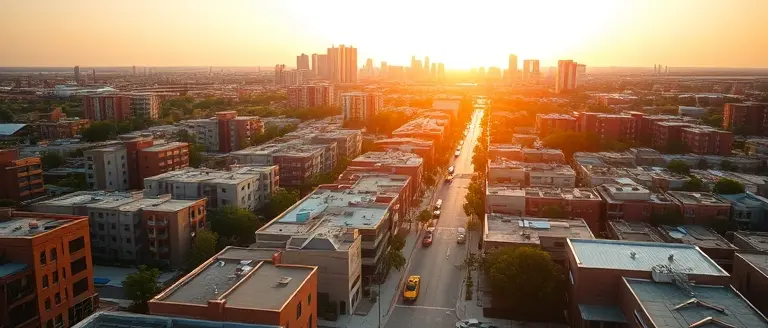
As of mid-2026, the American demographic landscape is undergoing a profound transformation. According to the latest U-Haul Mid-Year Migration Trends Report, Millennials have firmly established themselves as the primary engine driving domestic relocation. Unlike the haphazard “pandemic nomadism” of previous years, the current movement is characterized by a high degree of strategic intent. This generation, now largely situated in their late 30s and early 40s, is prioritizing long-term financial stability, asset accumulation, and cost-of-living optimization over the transient lifestyle trends of their younger years.
Drivers of Strategic Relocation
The surge in migration to metropolitan hubs like the Dallas-Fort Worth (D-FW) area is not coincidental. Data suggests that this cohort is responding to the intersection of economic necessity and lifestyle sustainability. Key drivers include:
- Affordability vs. Opportunity: Many are moving away from coastal cities where the barrier to entry for homeownership has become untenable, favoring markets where income-to-housing-cost ratios provide a better trajectory for wealth building.
- Economic Resilience: The professional transition toward hybrid and permanent remote work models has allowed this demographic to decoupling their career success from high-cost urban centers.
- Infrastructure and Amenities: The D-FW area, alongside other growth nodes, is effectively capturing this wave by offering a blend of robust job markets, favorable tax environments, and family-oriented amenities that align with the life stages of current millennials.
This movement represents more than a simple headcount; it is a fundamental shift in how this generation views regional economic health. By migrating to areas with lower overhead and higher growth potential, Millennials are effectively insulating themselves against the ongoing cost-of-living crisis. As these professionals settle into their new communities, their presence is accelerating the evolution of local economies, influencing everything from retail preferences to long-term housing market dynamics in 2026 and beyond.
Economic Resilience: Why Millennials are Choosing Stability

The recent surge in migration trends, as highlighted by the 2026 U-Haul data, is far more than a simple quest for better weather or lifestyle aesthetics. For millennials, the current relocation wave—specifically toward hubs like the Dallas-Fort Worth (D-FW) area—represents a calculated pivot toward long-term economic resilience. As this demographic enters their late 30s and early 40s, the priority has shifted from proximity to coastal urban centers to the pursuit of tangible, wealth-building assets. By trading high-rent, high-tax metropolitan markets for regions with a lower cost of living, millennials are intentionally optimizing their balance sheets to combat persistent inflationary pressures.
Strategic Shifts in Financial Goals
This relocation pattern signifies a maturation of financial strategy. Evidence suggests that the decision to move is rooted in the “wealth-building through homeownership” philosophy. Rather than spending a significant portion of their income on rent in saturated markets, this cohort is leveraging remote-work flexibility to secure property in regions that offer greater appreciation potential and lower entry costs. This move is not merely a lifestyle choice but a defensive economic maneuver designed to solidify their future stability.
Key drivers of this financial maturation include:
- Equity Accumulation: Prioritizing mortgage payments over rent to build net worth in growth-oriented markets.
- Geographic Arbitrage: Utilizing remote employment to maintain coastal-tier salaries while living in more affordable, high-growth local economies.
- Risk Mitigation: Reducing monthly overhead to create a buffer against economic volatility, a lesson learned from navigating the economic landscape of the early 2020s.
Ultimately, millennials are redefining the “American Dream” by prioritizing structural stability. By choosing cities where their capital goes further, they are effectively insulating themselves against the rising costs that have historically constrained their generation. This shift indicates a profound move toward sustainable, long-term financial planning that prioritizes ownership over transient consumption.
The Remote Work Evolution and Location Strategy

By mid-2026, the remote work landscape has matured from a pandemic-era necessity into a sophisticated tool for economic mobility. For Millennials currently navigating their late 30s and early 40s, the definition of a “home office” has expanded to encompass the entire regional ecosystem. Data from the 2026 U-Haul Migration Trends Report indicates that this cohort is no longer tethered to traditional employment hubs. Instead, they are prioritizing a “productivity-meets-lifestyle” model that balances professional output with local economic resilience.
Aligning Lifestyle with Economic Stability
As remote work becomes a permanent fixture, the strategy for relocation has shifted toward long-term wealth building rather than temporary convenience. Major markets like the Dallas-Fort Worth (D-FW) area and Fresno have emerged as primary beneficiaries because they offer a distinct blend of community infrastructure and cost-of-living advantages. This shift reflects a strategic effort to escape the high-tax, high-cost environments that hampered earlier millennial financial planning. Key drivers for this transition include:
- Infrastructure Sustainability: Preference for cities with robust digital connectivity and family-centric public spaces that support remote-first households.
- Climate and Cost-Efficiency: Utilizing geographic flexibility to mitigate the impact of the ongoing cost-of-living crisis through improved purchasing power in emerging secondary markets.
- Local Economic Integration: Millennials are actively seeking regions where their remote salaries contribute to local small businesses, effectively stabilizing these sub-economies.
Ultimately, this trend proves that for the modern Millennial, geographic location is now a conscious choice rather than a career mandate. By decoupling high-level professional roles from coastal corporate centers, this demographic is successfully diversifying their financial risks. Evidence suggests that those moving to regions like D-FW are not just looking for a larger house; they are building a durable, lifestyle-oriented financial foundation capable of weathering future economic volatility.
Retail and Local Economy Impacts: The Millennial Footprint
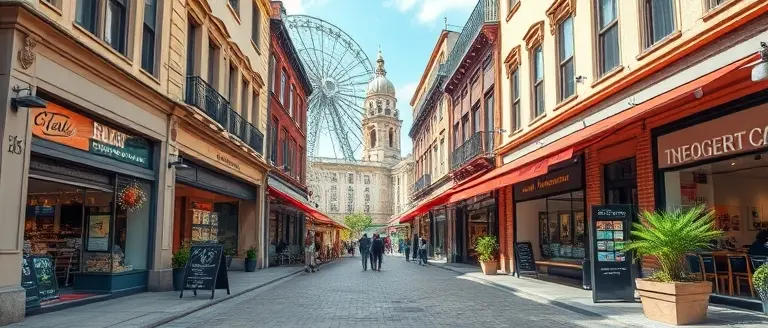
The significant migration of millennials to growing regional hubs like the Dallas-Fort Worth (D-FW) area is fundamentally altering the local economic landscape. As this demographic enters their late 30s and early 40s, their consumer behavior has shifted from purely transactional spending to a preference for experience-based local economies. Local businesses are increasingly pivoting to meet this demand, prioritizing sustainable goods, community-centric service models, and integrated digital-physical shopping environments. Evidence suggests that this influx is not merely a temporary demographic trend but a permanent reshaping of regional retail infrastructure, as cities expand to accommodate the specific needs of a cohort that values convenience, transparency, and brand authenticity.
Driving Local Economic Growth
The economic footprint of these new residents is evident in the strengthening tax bases and diversified service demands within these municipalities. As millennials prioritize long-term financial stability and homeownership, their presence drives demand for specialized services ranging from sustainable landscaping to boutique fitness and wellness centers. The following factors illustrate how this migration influences the local market:
- Diversification of Retail: Local storefronts are evolving to provide “third spaces”—areas that bridge the gap between home and work, catering to the remote-work flexibility many in this demographic maintain.
- Sustainability as a Premium: There is a measurable surge in demand for locally sourced products and sustainable business practices, forcing larger retail chains to rethink their supply chains to maintain relevance in these hubs.
- Expansion of Service Economies: The demand for high-quality, reliable local services—such as pet care, child development centers, and professional consulting—has created a robust micro-economy that bolsters city growth and keeps capital circulating within the community.
By aligning regional development with the lifestyle preferences of this demographic, cities like Fresno and D-FW are successfully transforming temporary migration surges into sustainable, long-term economic resilience. This shift ensures that local economies remain dynamic, capable of adapting to the evolving requirements of a generation that views local commerce as an extension of their personal values.
Investing in Your Most Essential Asset
As we navigate the shifting landscapes of 2026, the data is clear: Millennials are no longer just reacting to economic pressures—they are proactively reshaping their futures through strategic relocation and lifestyle adjustments. However, amidst the focus on housing markets in hubs like Dallas-Fort Worth and the broader cost-of-living crisis, there is one critical factor that determines your ability to thrive: your personal metabolic resilience.
While macro-economic shifts demand your attention, your physical vitality is the engine that powers every relocation, career pivot, and financial decision you make. As you reach your late 30s and early 40s, maintaining high energy levels and a sharp metabolism is not just a health goal; it is a vital component of long-term economic stability and personal performance in a high-pressure environment.
This is where CitrusBurn serves as your biological efficiency tool. Designed specifically to counter the metabolic slowdown and fatigue inherent in the modern, fast-paced Millennial lifestyle, it helps you reactivate your natural fat-burning processes. By integrating this into your daily routine, you aren’t just managing your health—you are optimizing your primary asset to keep pace with the demands of a changing world.
 Reclaim your long-term energy and metabolic health today—start your journey to sustainable vitality here.Transform My Life Today