
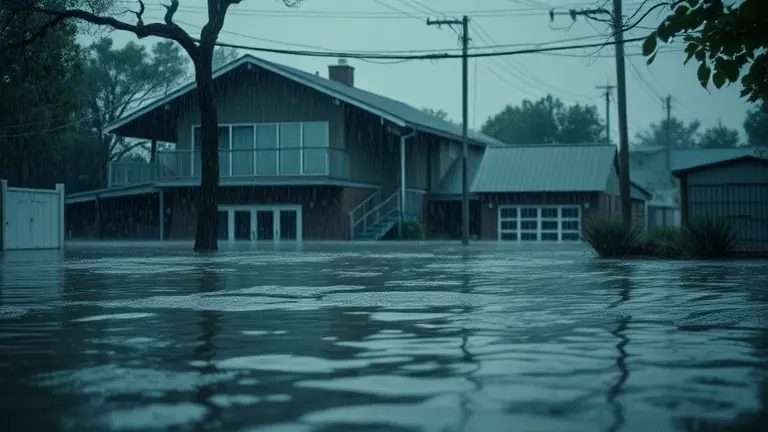
For decades, the term flash flooding was reserved for dramatic, breaking news segments documenting emergency evacuations. However, as of mid-2026, the narrative has fundamentally shifted. Recent analytical reports confirm that these events are no longer anomalies, but a recurring systemic risk integrated into our changing climate. For the average property owner, this transition from “breaking news” to “long-term environmental risk” requires a new approach—one that moves beyond passive worry and into intentional, proactive home infrastructure management.
The goal is no longer just to hope for the best, but to build for the reality of your local landscape. Whether you are dealing with subpar drainage or the need for elevated exterior utility structures, the path forward lies in mitigation tactics that harden your property against extreme rainfall. This guide moves past the alarmist headlines to focus on how you can leverage precision construction to transform your home into a resilient barrier, ensuring that when the next storm arrives, your property is ready to withstand it.
From Anomaly to Baseline: Understanding the New Climate Reality of Flash Flooding
As of 2026, the perception of flash flooding has undergone a fundamental transformation. What was once classified as a rare, transient weather anomaly is increasingly viewed by climate scientists and insurance analysts as a baseline environmental risk. This shift marks a move away from the traditional, reactive mindset—where homeowners and business owners wait for emergency bulletins—toward a more proactive, systemic evaluation of property stability. Evidence suggests that sustained changes in global climate patterns are forcing a reconsideration of how we build, maintain, and insure our physical assets across the United States.
The Integration of Risk into Financial Planning
The most significant change in the discourse surrounding flood management is the integration of long-term climate data into core financial sectors. Recent industry analysis, such as that found in mid-2026 construction risk reports, highlights that underwriters and developers are no longer treating extreme rainfall events as “once-in-a-generation” occurrences. Instead, they are being baked into:
- Long-term Property Valuations: Future-proofing assets against potential drainage failure.
- Insurance Underwriting: Adjusting premiums based on evolving, localized risk models rather than historical, static maps.
- Capital Expenditure Planning: Prioritizing infrastructure resilience as a necessary investment for long-term property viability.
This institutional pivot reflects the reality that flash flooding is now a structural concern. For the average property owner, this means the responsibility for risk management is shifting from the public sector’s reactive disaster response to individual and corporate proactive mitigation. Understanding this shift is the first step in moving from a state of “climate anxiety” to one of actionable, informed resilience. By viewing property maintenance through the lens of long-term climate reality, stakeholders can better protect their investments against the increasing frequency of extreme precipitation events.
Beyond Flood Maps: Assessing Property Risk in an Era of Extreme Rainfall

For decades, homeowners have relied on FEMA flood maps to gauge environmental hazards. However, as of 2026, evidence suggests that these static indicators often fail to capture the reality of modern flash flooding. Traditional maps are largely riverine-focused, mapping areas likely to overflow from bodies of water. Today, the greater threat for most properties is pluvial flooding—surface water accumulation caused by intense, short-duration rainfall that overwhelms local infrastructure. Because pluvial events occur independently of proximity to rivers or coastlines, a property located in a “low-risk” zone on a federal map may still be highly vulnerable to catastrophic water damage.
Identifying Hidden Vulnerabilities
To move from reactive monitoring to proactive mitigation, property owners must audit their land’s physical characteristics rather than relying solely on historical regulatory data. The primary goal is to assess how your parcel manages water volume when the ground can no longer absorb it. Consider the following factors when analyzing your specific risk profile:
- Impervious Surface Density: Calculate the percentage of your lot covered by concrete, asphalt, or rooftops. High density forces water to move horizontally across the surface rather than infiltrating the soil, creating rapid runoff.
- Topographic Nuance: Even minor depressions in the landscape can become focal points for ponding. Utilize digital elevation models (DEMs), now available through various private climate-risk platforms, to identify “bowl” effects on your land.
- Soil Drainage Capacity: Investigate local soil surveys to determine your property’s infiltration rate. Clay-heavy soils are notorious for holding water during extreme events, unlike sand-based soils.
- Infrastructure Stress: Evaluate the health of your local storm drains and culverts. If these systems are outdated, they will act as bottlenecks during extreme weather, backing water up onto surrounding properties regardless of your internal drainage.
By integrating these data points, homeowners can move beyond the “blind spot” created by outdated flood maps. Assessing your property through the lens of climate-linked risk allows you to prioritize site-specific drainage improvements, such as the installation of French drains, bioswales, or rain gardens, effectively insulating your asset against the shifting patterns of 2026 weather systems.
Hardening Your Infrastructure: Practical Drainage Upgrades for Extreme Events
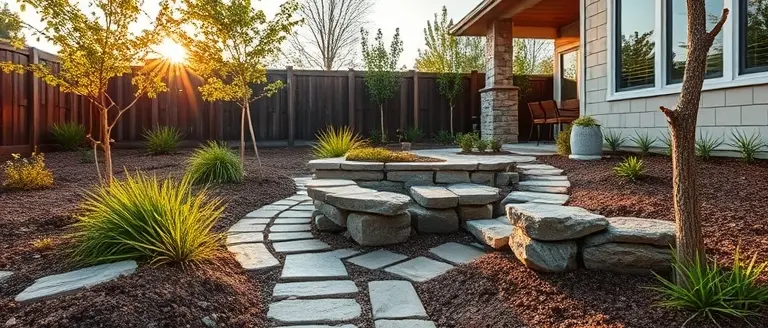
As the frequency of flash flooding shifts from a seasonal concern to a structural reality, property owners must pivot toward proactive site management. Hardening your infrastructure involves redirecting water away from critical foundation zones and enhancing the soil’s natural capacity to infiltrate rainfall. By viewing your property as a water-management system rather than merely a landscape, you can mitigate the risk of a catastrophic flood event during localized extreme weather.
Tactical Drainage Solutions
Implementing targeted drainage improvements is the most effective way to protect your building envelope. Consider these high-impact interventions:
- Foundation Grading: Ensure the soil slopes away from your home’s perimeter at a minimum grade of 6 inches over the first 10 feet. This prevents surface runoff from pooling against your basement walls or crawlspace.
- French Drain Installation: For properties with significant slope or poor soil permeability, a perforated pipe system encased in gravel (French drain) can intercept groundwater and divert it to a lower-lying discharge point or city storm sewer.
- Window Well Retrofitting: Replace aging window well covers with high-clearance, watertight shields to prevent heavy precipitation from overwhelming subterranean basement windows.
- Gutter Extensions: Ensure downspouts terminate at least 5 to 10 feet away from the structure, preferably into a splash block or a dry well, to keep roof-shed volume away from the foundation.
Embracing the ‘Sponge’ Concept
Beyond mechanical drainage, you should leverage your yard as a natural absorbent. This “sponge” strategy utilizes softscaping to slow, spread, and sink water before it reaches your foundation. Integrating rain gardens—low-lying areas filled with native, deep-rooted vegetation—allows excess water to infiltrate the water table rather than becoming destructive runoff. By replacing high-traffic, non-permeable surfaces like concrete or asphalt with permeable pavers or gravel, you reduce the overall hydraulic load on your property’s infrastructure, providing a crucial buffer against the increased intensity of modern rainfall patterns.
The Financial Implications: Future-Proofing Property Value Against Flood Risk
As climate patterns shift, the real estate market is undergoing a fundamental transformation regarding flood risk assessment. Financial institutions and insurance providers are increasingly integrating long-term climate data into their underwriting processes, moving away from historical flood maps toward predictive modeling. For property owners, this means that flash flooding resilience is no longer just a safety concern—it is a critical financial asset. Properties that lack adequate drainage or site elevation are facing escalating insurance premiums, and in some regions, a potential decline in marketability as buyers prioritize homes with documented water management infrastructure.
Building Proof of Resilience
To protect your property’s valuation, you must treat water mitigation as a capital improvement project. Just as a renovated kitchen adds value, a professional-grade drainage system serves as “proof of resilience” that can be leveraged during appraisals or future sales. By proactively addressing vulnerability, you shift your property from a “high-risk” category to a “mitigated” status, which is increasingly recognized by insurance underwriters.
To build an actionable record of your property’s flood preparedness, maintain a comprehensive “Resilience File” that includes:
- Professional Drainage Assessments: Documentation from licensed civil engineers or landscape architects confirming that your property’s grade directs water away from the foundation.
- Permit-Backed Upgrades: Any installation of French drains, dry wells, or sump pump backups must be backed by official municipal permits to ensure they are considered permanent, value-adding improvements.
- Permeable Hardscaping: Receipts and specifications for permeable driveway or patio materials, which demonstrate an active effort to reduce surface runoff.
- Photographic Evidence: Time-stamped documentation of drainage performance during heavy rainfall events to prove the efficacy of your installed systems.
Investing in these areas does more than prevent water damage; it provides a tangible financial narrative. As transparency becomes a hallmark of modern real estate transactions, providing this documentation to prospective buyers demonstrates that you have managed environmental risk, directly supporting your asking price in a climate-conscious market.
Build Your Defense: Transforming Risk Into Resilience
Understanding your property’s vulnerability to flash flooding is no longer a luxury—it is a fundamental aspect of modern homeownership. While climate patterns continue to shift, the power to protect your investment remains firmly in your hands. Moving from passive concern to active mitigation is the most effective way to secure your property against the increasing frequency of extreme rainfall events.
While recognizing the need for better drainage and structural reinforcement is the first step, executing these upgrades requires precision. You don’t need to rely on expensive contractors or leave your protection to guesswork. Ted’s Woodworking bridges the critical gap between identifying a risk and physically correcting it, providing you with 16,000 verified, error-proof blueprints that ensure your property modifications are structurally sound and climate-resilient.
By utilizing professional-grade plans, you gain the technical certainty required to build the specific, protective upgrades your home demands. Don’t let uncertainty leave your property exposed when you have the tools to reinforce your future today.  Download your library of professional-grade plans today to start building the specific, climate-resilient upgrades your home needs. Secure My Home with Professional Plans