
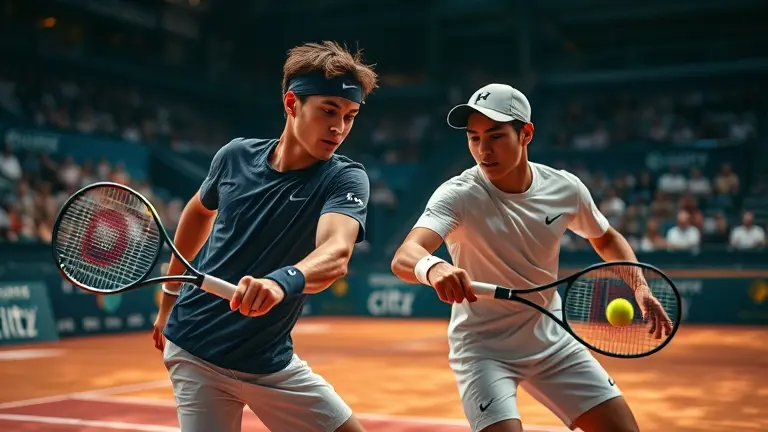
The 2026 Citi Open served as the ultimate stage for a display of pure, unadulterated grit as Jakub Mensik and Brandon Nakashima squared off in a second-round battle that pushed the boundaries of modern ATP endurance. In the stifling humidity of Washington, D.C., what began as a routine clash quickly evolved into a grueling tactical war between two of tennis’s brightest young stars. Mensik, displaying the unrelenting refusal to concede that has defined his rapid ascent, forced Nakashima to dig deeper than he has all season.
However, it was Nakashima’s precise late-match tactical shift—transitioning from a traditional baseline grinder approach to calculated aggressive insertions—that ultimately dismantled Mensik’s defenses. This match was more than just a scoreline; it was a blueprint for the future of the tour, highlighting how metabolic capacity and sustained physical focus remain the decisive factors when raw talent reaches a stalemate. As we unpack this rivalry, it becomes clear that in the era of ‘Next-Gen’ dominance, victory belongs to the athlete who can command their own energy reserves until the final ball is struck.
The Citi Open Clash: Brandon Nakashima Outlasts Jakub Mensik in a Generation-Defining Battle
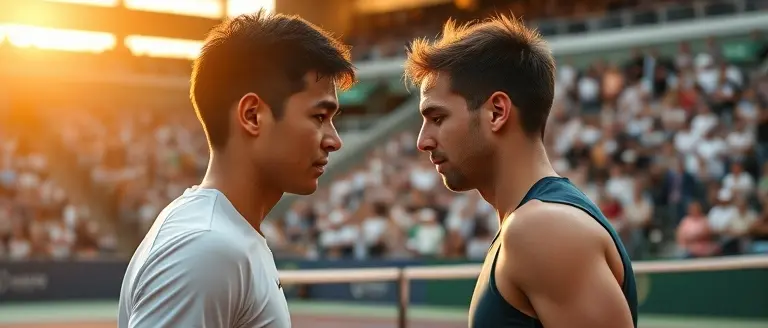
The second-round encounter at the 2026 Citi Open served as a potent reminder that the future of men’s tennis is in capable hands. In a match defined by high humidity and even higher stakes, Brandon Nakashima managed to navigate a grueling test against the resilient Jakub Mensik. While the final score favored the American, the narrative was far from one-sided. Mensik demonstrated a refusal to concede that pushed Nakashima to his absolute physical and tactical limits, forcing a high-level exchange that thrilled the Washington D.C. crowd and provided a masterclass in modern, baseline-heavy athleticism.
Tactical Shifts and Next-Gen Resilience
The contest effectively highlighted the diverging playing styles of these two ATP talents. Mensik relied heavily on his ability to extend rallies, acting as a defensive wall that forced Nakashima to find creative solutions in high-pressure moments. Analysts have noted that Nakashima’s victory was predicated on subtle late-match tactical adjustments, specifically his decision to increase the pace on his groundstrokes to break the rhythm Mensik had established.
Key takeaways from this generation-defining battle include:
- Defensive Prowess: Despite trailing, Mensik utilized superior court coverage to neutralize several of Nakashima’s early attacking volleys.
- Clutch Execution: Under extreme pressure, Nakashima maintained a higher percentage of first-serve points, a statistical edge that eventually eroded Mensik’s resistance.
- Future Trajectory: This match provides a blueprint for how both players will handle high-stakes environments in upcoming Masters 1000 events, proving that both possess the mental fortitude required for the professional tour.
Ultimately, this match wasn’t just a win for the record books; it was a testament to the growth of the next-gen field. By overcoming a player as determined as Jakub Mensik, Brandon Nakashima has sent a clear signal to the rest of the tour that he is evolving into a more versatile and opportunistic competitor.
Analyzing Nakashima’s Late-Match Tactical Pivot
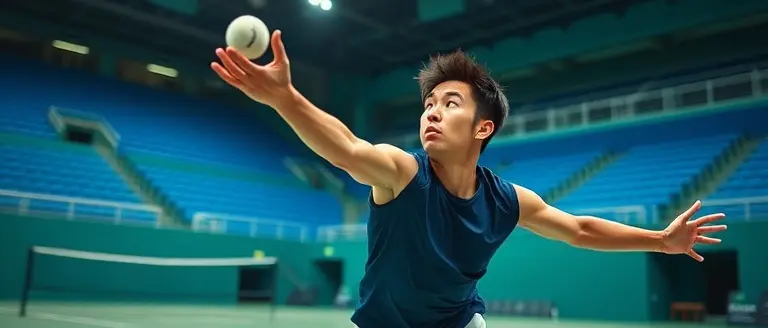
The second-round clash at the 2026 Citi Open served as a masterclass in modern tennis adjustment, specifically highlighting Brandon Nakashima’s ability to dismantle the stubborn defense of Jakub Mensik. Throughout the early stages, Mensik utilized a relentless baseline grind that forced Nakashima into uncomfortable rallies. However, the turning point occurred in the final set when Nakashima moved away from a neutral backcourt approach, opting instead for a more aggressive, front-foot stance that compressed the court and denied the Czech teenager time to find his rhythm.
Deciphering the Strategic Shift
The primary differentiator in this high-humidity encounter was Nakashima’s calculated change in serve placement. By shifting his targets wider to the deuce court and exploiting the ad-side T, Nakashima effectively neutralized the heavy topspin groundstrokes that Mensik relied on to dictate points. This tactical pivot served a dual purpose: it forced shorter returns from his opponent and allowed Nakashima to dictate the ensuing shot sequence.
Key technical adjustments observed during the closing games included:
- Aggressive Court Positioning: Nakashima stepped inside the baseline to take the ball on the rise, consistently putting pressure on the younger player.
- Serve Versatility: Increased usage of the body serve to jam Mensik, limiting his ability to swing freely through his backhand wing.
- Net Transitions: A deliberate uptick in serve-and-volley transitions during high-leverage points to shorten the rallies, preventing the match from devolving into a pure endurance test.
This victory underscores the growing maturity of Brandon Nakashima as he navigates the high-stakes environment of the ATP Tour. While Mensik displayed undeniable resilience and refused to concede despite the tactical shifts, the veteran poise of his opponent proved decisive. For tennis analysts, this match serves as a blueprint for how next-generation players must adapt their playstyles mid-match to secure results against high-velocity, baseline-oriented opponents. By choosing to play on his own terms during the match’s dying embers, Nakashima successfully secured his progression in Washington, signaling a significant step forward in his 2026 campaign.
Jakub Mensik’s Grit: Why the Teen Sensation Refused to Fold

In the grueling humidity of the 2026 Citi Open, Jakub Mensik demonstrated exactly why he is regarded as one of the most resilient prospects on the ATP Tour. Despite facing a tactically disciplined Brandon Nakashima in a high-stakes second-round clash, Mensik showcased a brand of “refusal to quit” tennis that kept fans on the edge of their seats. Rather than collapsing under the pressure of Nakashima’s precise ball placement, the teen sensation utilized his signature defensive agility to extend rallies, forcing his opponent into high-leverage situations that tested the limits of both players’ endurance.
Tactical Resilience and Technical Mastery
Mensik’s ability to remain competitive against a more experienced opponent like Nakashima stemmed from his profound court coverage and the tactical depth of his forehand. Throughout the match, analysts noted several key technical drivers that defined his performance:
- Forehand Depth: Mensik consistently pushed Nakashima deep behind the baseline, preventing the American from dictating play with his preferred aggressive patterns.
- Defensive Agility: His capacity to retrieve balls that appeared destined to be winners forced extra shots from Nakashima, effectively neutralizing the latter’s service advantages.
- Mental Fortitude: Even when facing pivotal break points, Mensik maintained high-percentage shot selection, displaying a composure rarely seen in players of his age.
While the match ultimately swung in favor of Nakashima, the narrative shift focused heavily on how Mensik’s relentless baseline grind turned a standard victory into a grueling tactical battle. By refusing to concede easy points, the young Czech cemented his reputation as a “next-gen” challenger who can thrive in high-heat, high-pressure environments. This performance serves as a crucial data point for his trajectory, proving that he possesses the foundational grit necessary to compete—and eventually win—at the elite level of the ATP Tour.
What This Match Means for the ATP ‘Next-Gen’ Hierarchy
The recent second-round clash at the 2026 Citi Open between Jakub Mensik and Brandon Nakashima serves as a vital case study for the current evolution of the ATP Tour. As the “Big Three” era transitions into a new phase of parity, matches between young rising stars are becoming the primary litmus test for future rankings stability. Nakashima’s ability to withstand Mensik’s relentless defensive pressure highlights a crucial divide in playing styles: the tactical, experience-driven baseline grinder versus the high-upside, aggressive ball-striker.
Tactical Divergence and Future Growth
The rivalry between these two players underscores the depth of the current “Next-Gen” talent pool. While Mensik demonstrated an elite capacity to extend rallies and force unforced errors under grueling high-humidity conditions, Nakashima showcased the mid-match tactical adjustments required to ascend the rankings. Their performance suggests several key takeaways for the remainder of the 2026 season:
- Adaptive Resiliency: Top-tier success is no longer defined by raw power alone; it requires the mental fortitude to find solutions when an opponent refuses to concede.
- Physical Conditioning: The grueling nature of this encounter proves that specialized, high-humidity training is mandatory for players aiming to reach the second week of Grand Slams.
- Rankings Volatility: Matches like this demonstrate that the gap between the top 20 and the top 50 is shrinking, making every ATP 500 appearance critical for securing seed positions.
Moving forward, Mensik remains a prospect with significant “next-gen” upside, provided he can refine his shot selection during pivotal tie-breaks. Conversely, Nakashima has solidified his reputation as a disciplined competitor who can neutralize aggressive servers through sheer tactical persistence. This rivalry is not merely a single-match result but a window into the competitive landscape of the 2026 season, where consistency and match-management are rapidly replacing raw potential as the primary metrics for success.
Fueling the Future of Athletic Excellence
The intensity of the Mensik-Nakashima rivalry demonstrates that peak tennis is no longer just about shot-making; it is about the physiological ability to maintain high-level output when the humidity rises and the pressure mounts. Much like the resilience displayed by Nakashima, achieving your own peak performance requires a metabolic engine that remains consistent under stress. You cannot afford for your energy to flicker when the momentum of the day is on the line.
Just as Nakashima required immense physical stamina to outlast Mensik in such grueling conditions, maintaining your own peak performance requires a metabolic engine that doesn’t quit when the pressure is on. This is where CitrusBurn becomes a game-changer for those seeking to emulate that elite level of endurance. By supporting your natural thermogenic efficiency, CitrusBurn acts as an athletic performance accelerator, helping you maintain sustainable, stimulant-free energy through your most intense days, whether you are on the court or conquering your own professional goals.
Optimize your own internal energy efficiency just like these pro athletes—see how CitrusBurn keeps your metabolism firing through your most intense days.
 Optimize your own internal energy efficiency just like these pro athletes—see how CitrusBurn keeps your metabolism firing through your most intense days.Transform My Energy Levels Now!