
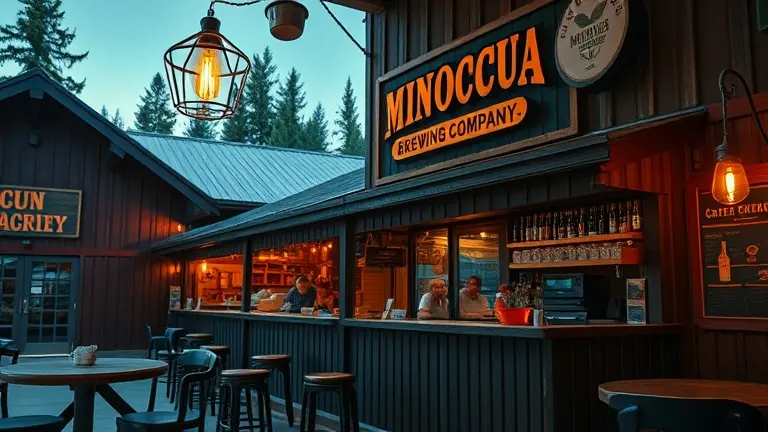
The Wisconsin Department of Revenue’s recent move to initiate the revocation of the Minocqua Brewing Company’s alcohol permit has ignited a fierce debate that extends well beyond the borders of Northern Wisconsin. At the center of the controversy is owner Kirk Bangstad, whose high-profile social media commentary—specifically a provocative pledge regarding the passing of former President Donald Trump—has transformed his establishment into a flashpoint for political polarization. While state regulators point to administrative requirements and standards of conduct, Bangstad insists the action is a politically motivated attempt to silence his progressive voice, setting the stage for a high-stakes legal confrontation.
This escalating conflict invites a deeper examination of the boundaries between private business ownership, the reach of state regulatory authority, and the increasing pressure on entrepreneurs to navigate a treacherous ideological landscape. As the legal battle unfolds, the case serves as a critical case study on how public positioning can intersect with the very permits required for business survival. Whether viewed as an issue of free expression or one of regulatory accountability, the brewery’s predicament highlights the risks inherent in tying a commercial entity’s future to volatile political discourse.
Understanding the Minocqua Brewing Company Permit Revocation
As of July 30, 2026, the Minocqua Brewing Company finds itself at the center of a significant regulatory dispute after the Wisconsin Department of Revenue initiated proceedings for the revocation of its state alcohol permit. The enforcement action follows a period of intense public scrutiny regarding the brewery’s online conduct, specifically involving owner Kirk Bangstad. The controversy ignited after Bangstad published inflammatory social media posts, most notably a statement promising “free beer” to his patrons on the day of former President Donald Trump’s death. This specific comment has become the focal point of the state’s regulatory inquiry, raising broader questions about the intersection of private business operations and the responsibilities inherent in holding a state-issued alcohol license.
Regulatory and Public Backlash
The administrative move to strip the brewery of its licensing has sparked a fierce debate regarding the boundaries of free speech and business ethics. While state officials are evaluating the criteria for permit compliance, the situation has mobilized political factions across Wisconsin. The following points summarize the current status of the standoff:
- State Authority: The Wisconsin Department of Revenue is currently reviewing whether the owner’s public communications violate the standards required to maintain a retail alcohol permit.
- Owner’s Defense: Kirk Bangstad has publicly characterized the revocation attempt as a politically motivated attack, suggesting that “MAGA” supporters and state authorities are leveraging bureaucratic processes to silence his vocal opposition to the former president.
- Legal Stance: Bangstad has vowed to challenge the state’s decision in court, famously asserting that authorities will have to “pry me out of my taprooms.”
The Minocqua Brewing Company permit revocation case underscores the increasing tension between highly visible political branding and the regulatory environment. As the legal appeal process begins, the outcome could set a notable precedent for how Wisconsin regulates businesses that engage in aggressive or controversial political discourse, testing the limits of how far administrative oversight can reach into the domain of a business owner’s personal and public expression.
The Administrative Case: Regulatory Standards for Alcohol Licensing

The Wisconsin Department of Revenue (DOR) maintains strict oversight regarding the issuance and retention of alcohol beverage permits. While public discourse surrounding the Minocqua Brewing Company permit revocation often centers on political ideologies, the administrative framework governing these licenses is rooted in statutory compliance and public safety. To operate as a licensed alcohol retailer in Wisconsin, a business must adhere to specific conduct standards that ensure the privilege of selling spirits, wine, and beer is not abused. Regulatory agencies typically evaluate licensees based on their adherence to state-level mandates, which include financial reporting, tax compliance, and the maintenance of a “responsible” business environment.
Understanding Regulatory Licensing Requirements
In Wisconsin, the criteria for maintaining a permit are designed to protect the public interest. While individual business owners enjoy rights to free speech, the state exercises broad authority to regulate entities that deal in controlled substances. From an administrative standpoint, the revocation process usually involves a review of whether a business has violated the terms of its permit, which can include:
- Statutory Compliance: Ensuring that all operations align with Wisconsin state statutes regarding business licensure.
- Public Safety and Conduct: Assessing whether the public-facing actions of a business owner negatively impact the safe, orderly, and legal distribution of alcohol.
- Reporting Requirements: Strict adherence to tax payments and regulatory documentation, which, if neglected, provides grounds for permit termination.
The legal complexity of this case rests on whether the state can distinguish between an owner’s personal political expression and the business’s conduct requirements. Legal experts note that while the Minocqua Brewing Company owner, Kirk Bangstad, asserts that the move is politically motivated, the state’s argument likely hinges on administrative precedent. When a business entity becomes the center of a controversy involving inflammatory public statements, regulatory boards may argue that such behavior potentially risks the “good character” or “public interest” standards that are often embedded in municipal and state liquor licensing codes. As the appeal process unfolds, the intersection of private speech and state-mandated conduct will remain the focal point of this administrative dispute.
Business Ethics and the Boundaries of Political Expression

The unfolding situation surrounding the Minocqua Brewing Company permit revocation highlights a growing tension between private business operations and the regulatory standards governing industries that require state licensing. As owner Kirk Bangstad faces potential closure, the case forces a broader examination of where the line exists between a proprietor’s First Amendment rights and the professional expectations of a state-sanctioned alcohol retailer. When a business owner uses their platform to engage in highly inflammatory rhetoric—such as the recent promise to offer free beer upon the death of a political figure—it triggers a debate over whether such actions violate the “good character” or “public interest” clauses often found in state licensing statutes.
Legal experts and business ethicists remain divided on the scope of administrative oversight in these instances:
- Proponents of Strict Regulation: Argue that alcohol licensing is a privilege, not a right. From this perspective, state agencies are justified in enforcing conduct standards to ensure businesses maintain public order and community safety. They contend that extreme political speech can alienate segments of the public and potentially incite unrest, thereby undermining the business’s role as a neutral community space.
- Advocates for Free Expression: Maintain that business owners should not face professional retaliation for their personal or political views. This camp suggests that if a business remains compliant with financial, safety, and health regulations, the state should not weaponize the permitting process to suppress ideological dissent, as this could set a dangerous precedent for future censorship.
Ultimately, the Minocqua Brewing Company controversy serves as a litmus test for the legal boundaries of business-related speech. As this case progresses through the appeals process, it will likely provide clarity on whether the Wisconsin Department of Revenue has the legal authority to factor public, non-business-related social media conduct into its licensing decisions. For small business owners, this underscores the precarious intersection of personal brand building and the strict regulatory requirements of their industries, illustrating that aggressive political positioning carries substantial operational risks in today’s polarized climate.
The Path Ahead: Legal Challenges and Future Implications
As the Minocqua Brewing Company permit revocation moves into its next phase, owner Kirk Bangstad has signaled his intent to vigorously challenge the decision by the Wisconsin Department of Revenue. The legal path forward will likely involve a multi-tiered administrative and judicial process. Initially, Bangstad is expected to request a formal hearing to contest the revocation, forcing the state to provide documented evidence that his conduct violated specific regulatory codes rather than merely offending political sensibilities. Should the administrative ruling go against him, the case would move into the Wisconsin court system, potentially resulting in a protracted legal battle that could last months or even years.
Potential Legal Hurdles and Precedents
For the brewery to succeed in its appeal, legal experts suggest that the defense must overcome significant hurdles regarding the scope of state regulatory authority. To maintain a, business license in Wisconsin, establishments must adhere to strict conduct requirements; the core of this legal dispute will likely hinge on whether the state’s enforcement action constitutes a valid exercise of administrative oversight or an unconstitutional suppression of private speech. Key areas of focus for the upcoming legal proceedings include:
- Administrative Due Process: Ensuring that the Wisconsin Department of Revenue followed all standard procedures and acted within the bounds of state law.
- First Amendment Considerations: Determining if the “free beer” commentary qualifies as protected political speech or if it crosses into a category that justifies regulatory intervention.
- Discriminatory Enforcement: Evaluating if other establishments with similar controversial public profiles have faced comparable scrutiny or if the brewery is being singled out for its political leanings.
The final outcome of this case carries significant implications for future state-level regulatory actions. If the courts uphold the revocation, it may set a precedent granting regulators wider latitude to evaluate the “character” and public conduct of business owners when issuing or maintaining liquor licenses. Conversely, a victory for the brewery could reinforce protections for business owners who engage in provocative political discourse, further highlighting the ongoing tension between private enterprise and public regulatory power in the current polarized climate. As of late July 2026, the situation remains fluid, with industry observers monitoring these developments to understand the broader impact on the intersection of commerce and political expression.
Building Stability in an Era of Public Volatility
The situation surrounding the Minocqua Brewing Company highlights a complex intersection of administrative oversight and the volatile role of public expression in modern entrepreneurship. Whether this case concludes as a regulatory enforcement action or a landmark legal battle over free speech, it serves as a stark reminder that the stability of any business relies heavily on its foundational operations rather than the noise of the public square.
In an era where small business owners are increasingly tempted to gamble their hard-earned operations on high-stakes public rhetoric, it is worth remembering that long-term success is more often the result of meticulous planning and sound operational fundamentals. True business legacy is built through precision, not polarization.
If you prefer to focus your energy on creating a lasting, tangible impact, consider the architect’s advantage provided by Ted’s Woodworking. Much like navigating complex regulatory landscapes, building a sustainable business requires the right set of blueprints and a methodical approach. Our resources offer a foolproof, repeatable process that allows you to transform ambitious plans into finished realities without the risk of costly, unnecessary mistakes.
 Learn the professional techniques that turn ambitious plans into finished realities without the risk of costly, unnecessary mistakes.Build My Legacy Today!