
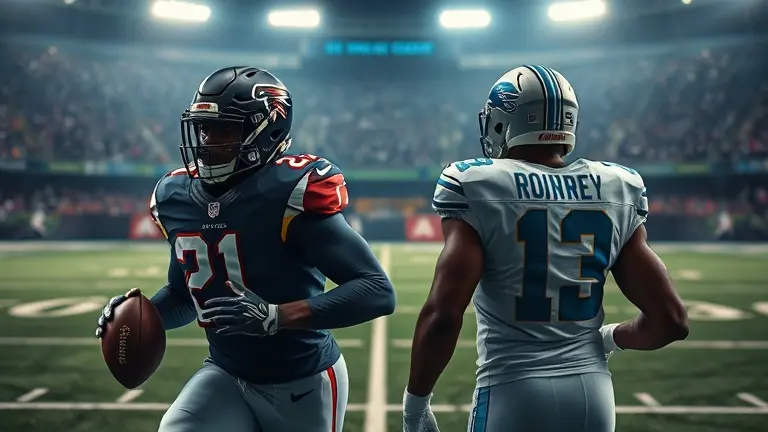
The silence echoing through the training camps of Atlanta and Detroit is deafening. As of July 28, 2026, the NFL landscape has been upended by a coordinated, high-stakes standoff: star running backs Bijan Robinson and Jahmyr Gibbs have officially launched their ‘hold-ins.’ This is not a standard contract grievance; it is a calculated referendum on the value of the modern NFL workhorse. By opting out of on-field activities, these offensive engines are challenging the league’s long-standing salary ceiling for their position, demanding that their front offices recognize them as indispensable, multi-dimensional pillars of their respective schemes rather than replaceable assets.
This isn’t merely a trend of players seeking larger paydays; it is a fundamental shift in roster economics that threatens to reshape the post-2025 landscape. As the Falcons and Lions scramble to reconcile their offensive identities with the financial reality of these demands, fans and analysts are left to parse the complex implications of a market reset. Moving beyond the headlines, we must analyze the tactical desperation of these franchises and whether these two superstars are, in fact, successfully rewriting the rulebook for what an elite running back is worth in today’s high-octane NFL.
The Strategic Silence: Bijan Robinson and Jahmyr Gibbs Reshape the RB Market
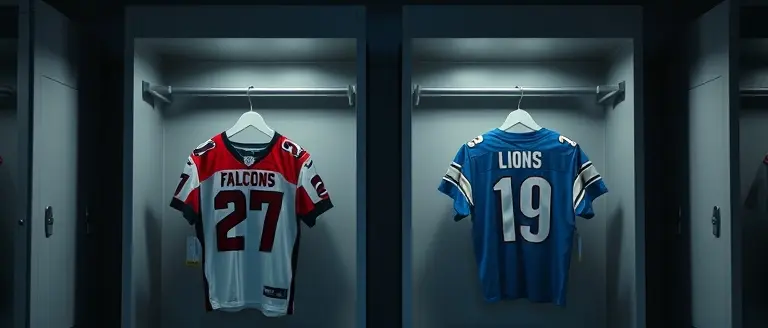
The coordinated “hold-in” initiated by Bijan Robinson and Jahmyr Gibbs on July 28, 2026, represents a fundamental shift in the NFL’s labor landscape. By abstaining from on-field activities, these two stars are moving beyond traditional contract disputes; they are effectively rebranding the elite running back position as a premium “offensive engine” rather than a replaceable ball carrier. This synchronized silence serves as a high-stakes ultimatum to the Atlanta Falcons and Detroit Lions, signaling that the era of undervaluing multifaceted playmakers is over. Evidence suggests that by leveraging their massive on-field production, both players are attempting to force a “market reset” that ignores historical salary caps for the position.
Defining the Modern Offensive Engine
The tactical necessity of this hold-in stems from the evolution of the RB role into a primary receiving and rushing threat. Jahmyr Gibbs, who posted a staggering 1,839 all-purpose yards in 2025, serves as the ultimate leverage point for this movement. Similarly, Bijan Robinson remains a cornerstone of the Falcons’ offensive identity, necessitating a contract structure that reflects his versatility rather than dated positional metrics. The strategic implications of this standoff include:
- Valuation Shift: Moving away from rushing attempt-based pay models toward performance-based compensation that accounts for total offensive output.
- The “Non-Franchise” Premium: Both players are seeking long-term security to bypass the restrictive nature of the franchise tag, which has historically suppressed wages for top-tier backs.
- Coordinated Leverage: By acting simultaneously, the pair has successfully dominated the news cycle, making it increasingly difficult for front offices to ignore their collective demand for financial realignment.
This tactical pivot places immense pressure on NFL front offices to reevaluate their cap management. With both teams relying heavily on these players to anchor their respective schemes, the “no contract, no practice” stance functions as a preemptive strike, forcing leadership to choose between immediate competitive stability or the long-term risk of losing their most vital offensive assets.
Market Reset: Reclaiming Value in the Post-Franchise Tag Era

The simultaneous hold-ins of Bijan Robinson and Jahmyr Gibbs represent a tectonic shift in NFL roster construction, signaling a concerted effort to break the long-standing depreciation of the running back position. For years, the franchise tag has served as a mechanism for teams to suppress the earnings of elite ball carriers, effectively capping their value regardless of their impact on the game. By abstaining from training camp, Robinson and Gibbs are challenging the industry standard that views RBs as replaceable commodities. Their collective leverage hinges on a simple truth: they are not merely traditional runners but multifaceted offensive engines whose usage rates in the passing game mirror the roles of high-priced wide receivers.
Redefining the Hybrid Athlete
The argument for a market reset rests on the unique production profiles of these two stars. Jahmyr Gibbs, coming off a massive 1,839 all-purpose yard season in 2025, has become the focal point of the Detroit Lions’ attack, while Bijan Robinson remains the fulcrum of the Atlanta Falcons’ offensive creativity. Because their production is fundamentally tied to both the ground game and aerial attack, they are forcing front offices to reconsider the outdated “RB value” metrics. Key factors driving this negotiation shift include:
- Positional Versatility: Both players function as “de facto” slot receivers, demanding defensive attention that traditional backs do not receive.
- Offensive Dependency: Team data suggests that without these primary weapons, offensive efficiency metrics plummet, exposing the fragility of schemes that rely on their versatility.
- Contract Precedent: These players are effectively lobbying for a new compensation tier that sits between the average running back salary and the elite wide receiver market.
By rejecting the “two-down runner” label, these athletes are not just asking for a raise; they are demanding that the NFL recognize the modern reality of their positions. If they succeed in securing record-breaking extensions, they will effectively force a market correction that makes the franchise tag a tool of the past, rather than a ceiling for the game’s most dangerous dual-threat weapons.
Systemic Dependency: The Risk of Offensive Collapse in Atlanta and Detroit

The coordinated “hold-ins” staged by Bijan Robinson and Jahmyr Gibbs represent more than simple contract disputes; they highlight a critical structural reliance within the Atlanta Falcons and Detroit Lions offensive schemes. Modern NFL play-calling has evolved to treat these players as “offensive engines” rather than traditional tailbacks. In Atlanta, the offense is built around Robinson’s ability to manipulate defensive alignments through his mismatch potential as a receiver. Without his presence, the Falcons’ playbook loses its primary geometry, forcing the quarterback to navigate tight windows that Robinson otherwise opens through sheer gravity and versatility.
In Detroit, the situation is equally precarious. Coming off a 2025 campaign where he racked up a staggering 1,839 all-purpose yards, Jahmyr Gibbs serves as the ultimate “stress-tester” for opposing defensive coordinators. The Lions’ scheme relies on Gibbs’s unique ability to turn perimeter screens into explosive plays, a capability that standard-issue running backs simply cannot replicate.
Projected Offensive Regression
If these hold-ins extend into the regular season, front offices face a catastrophic drop-off in production that could derail their playoff ambitions. Historical data and 2025 performance trends suggest the following impacts:
- Red-Zone Inefficiency: Both stars function as the primary option inside the 20-yard line. Without them, red-zone conversion percentages would likely plummet, as substitute backs lack the necessary elite vision and lateral agility to create yards in condensed spaces.
- Third-Down Stagnation: The ability of Robinson and Gibbs to act as de facto slot receivers forces defenses to play in nickel or dime packages, opening up the middle of the field. Without this personnel threat, defenses can return to base sets, effectively clogging the rushing lanes and stifling the passing game.
- Total Yardage Deficit: Given their usage rates, the combined loss of explosive play potential—specifically gains of 20+ yards—would fundamentally change the team’s ability to sustain long, clock-draining drives.
The statistical reality is clear: both franchises have architected their success around these singular talents. By withholding their services, these players are forcing a reality check upon management, demonstrating that a replacement-level depth chart is insufficient to maintain the offensive integrity required for a Super Bowl run. For the Falcons and Lions, yielding to these contract demands is no longer a luxury; it is a tactical necessity.
Strategic Foresight: The Future of the ‘Offensive Engine’ Contract

The coordinated hold-ins staged by Bijan Robinson and Jahmyr Gibbs represent more than a localized contract dispute; they signify a fundamental restructuring of how NFL franchises value the modern running back. If these stars successfully secure extensions reflecting their roles as dual-threat playmakers, the league will likely witness the emergence of a new “hybrid” contract structure. This model will move away from traditional compensation based on rushing volume and instead pivot toward “snap-weighted” incentives. Under this framework, financial rewards would be tied to specific deployment markers, such as time spent in the slot, wide receiver alignments, and total all-purpose production—metrics where both Robinson and Gibbs excelled during their 2025 campaigns.
Redefining Scouting and Compensation Models
For front offices, the fallout from this standoff forces an immediate pivot in both scouting priorities and salary cap management. As the demand for versatile “offensive engines” grows, teams will no longer be able to categorize players simply as backfield contributors. Instead, the next three seasons will likely see:
- Hybrid Salary Tiers: The creation of a new compensation bracket that sits between traditional RBs and Tier-2 wide receivers, effectively neutralizing the stagnant salary ceilings imposed by the franchise tag.
- Performance-Linked Incentives: Contracts will likely integrate bonuses tied to receiving targets and yards-per-route-run, prioritizing players who create mismatches in the passing game.
- Positional Versatility Premiums: Scouting departments will shift focus toward “positionless” athletes, prioritizing collegiate production that translates to high-leverage utility across the entire offensive formation.
By forcing the Falcons and Lions to address these demands now, Robinson and Gibbs are essentially setting a “market floor” for the next generation of dual-threat stars. Should these negotiations lead to record-breaking extensions, it will confirm that the market has finally corrected its devaluation of the position, rewarding true offensive impact rather than antiquated run-game statistics.
Defining the New Era of NFL Financial Strategy
The simultaneous hold-ins of Bijan Robinson and Jahmyr Gibbs represent more than just a contract dispute; they are a fundamental restructuring of the running back position. By leveraging their roles as offensive anchors rather than mere carries, these stars are forcing front offices to account for total production value. As teams grapple with these demands, understanding the nuances of these negotiations requires a level of analytical precision that mirrors the complexity of the contracts themselves.
Just as these elite playmakers utilize every mental and physical advantage to maximize their leverage on the field, the modern sports enthusiast needs a sharper, more refined approach to digesting this shifting NFL landscape. Navigating the intricate layers of salary cap management and tactical production trends demands cognitive resilience. This is where The Brain Song becomes an essential tool in your analytical arsenal. It provides the sustained focus and clarity needed to process high-stakes sports data, transforming the way you consume and understand the business of professional football.
Elevate your strategy and gain the perspective required to dominate the conversation as these negotiations unfold. By optimizing your cognitive performance, you are not just watching the game—you are mastering it.  Unlock your analytical edge and sharpen your focus for the next wave of NFL off-season developments with The Brain Song.Sharpen My Analytical Edge Now!