
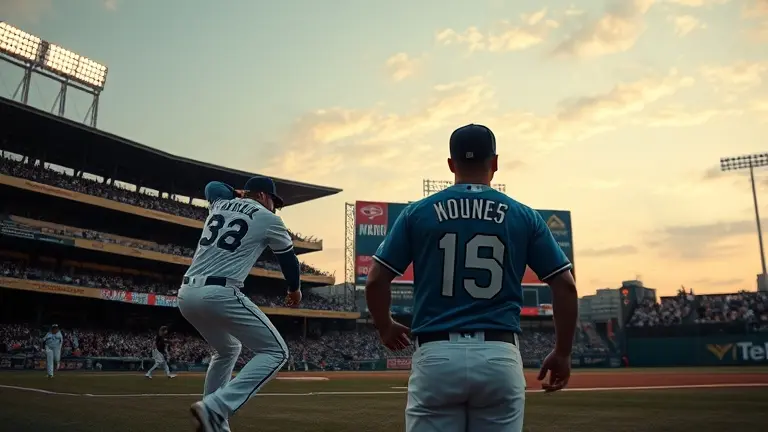
The series between the Blue Jays and Nationals this July has been far more than just a clash on the diamond; it has become a masterclass in organizational desperation and bold restructuring. While the Nationals celebrated an 8-6 victory fueled by a strategic offensive that forced six walks off Shane Bieber, the back-office news cycle has been even louder. Fans watching the Blue Jays and Nationals are witnessing a chaotic purge, with Toronto offloading six players and Washington parting ways with promising young talent in a ruthless effort to reset their future.
This isn’t merely the typical ebb and flow of a long MLB season; it represents a fundamental shift in how both franchises are approaching the 2026 trade deadline. As fans grapple with the frustration of sudden roster vacancies and shifting game-day strategies, the question remains: are these abrupt moves signs of a failing blueprint, or the necessary, albeit painful, demolition required to build a perennial contender?
Chaos on the Diamond: Analyzing the Blue Jays-Nationals Series Amidst Roster Upheaval

The Blue Jays vs Nationals series held from July 27-29, 2026, will be remembered less for its place in the standings and more for the unprecedented organizational instability that defined the matchup. As both franchises navigated a turbulent mid-season stretch, the atmosphere at the ballpark became a backdrop for systemic roster purges. Fans and analysts alike watched as on-field competition struggled to compete with the headline-grabbing news of immediate personnel releases, creating a high-stakes, distraction-filled environment that tested the focus of both dugouts.
A Masterclass in Roster Churn
The volatility peaked mid-series as both organizations initiated aggressive clearing of their minor and major league pipelines. The strategic shifts were drastic and immediate:
- The Toronto Blue Jays executed a sweeping overhaul, releasing six players from the organization in a single 24-hour window, signaling a desperate pivot toward 2027 planning.
- The Washington Nationals made headlines by parting ways with a highly touted 22-year-old power hitter, a move that sparked significant debate regarding their internal development philosophy.
- Managerial decisions, including a major lineup adjustment regarding Ernie Clement, further fueled the narrative of a team in search of a new identity.
This environment culminated in a jarring 8-6 Nationals victory over the Blue Jays, a game highlighted by the team’s ability to exploit former Cy Young winner Shane Bieber. By drawing six walks against a pitcher of Bieber’s caliber, the Nationals demonstrated that despite the chaotic off-field distractions, their offensive discipline remained intact. Evidence suggests that for both teams, this series served as a clearinghouse for underperforming assets. The juxtaposition of professional athletes fighting for their careers while their teammates were being cut created a unique, pressurized atmosphere that rarely manifests during a standard three-game set.
Breakdown: Blue Jays Roster Moves and Organizational Strategy
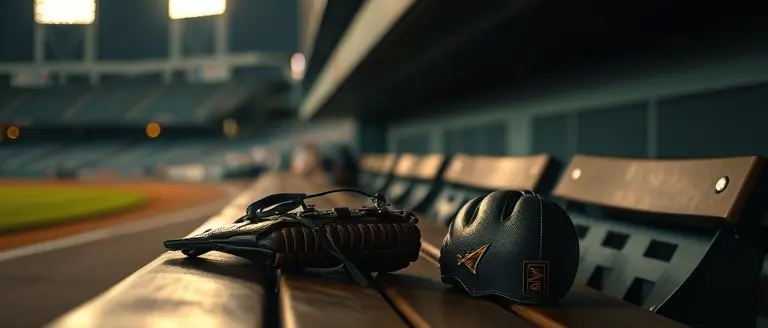
The Toronto Blue Jays sent shockwaves through the league during their late July 2026 series against the Washington Nationals by releasing six players from the organization. This aggressive roster churn is rarely seen mid-series, suggesting that the front office has shifted from a competitive “retooling” phase to a wholesale organizational reset. By clearing these roster spots, the Blue Jays are likely looking to create immediate financial flexibility and open pathways for younger prospects to gain major-league exposure before the end of the 2026 season.
Strategic Intent: Rebuild or Culture Reset?
Evidence suggests that the Blue Jays are prioritizing a culture reset over short-term stability. The decision to cut ties with multiple players while playing the Nationals indicates a desire to eliminate underperforming assets that no longer align with the team’s long-term competitive window. While fans might view these abrupt moves as a signal of a massive rebuild, the organization frames this as a necessary evaluation period. By moving on from these individuals now, the front office is signaling that the 2027 roster construction begins today, with an emphasis on defensive versatility and high-ceiling youth.
Roster Volatility Overview
The following table outlines the impact of recent roster changes. While specific statistical drops vary by player, the collective output of these departed members had largely plateaued, failing to provide the production necessary to keep the team in the hunt for the postseason.
| Player Category | Impact on 2026 Strategy | Performance Context |
| :— | :— | :— |
| Depth Relievers | Creating bullpen space | High ERA/WHIP in late-inning situations |
| Utility Infielders | Promoting internal prospects | Diminishing offensive efficiency |
| Veteran Bench Bats | Clearing payroll/roster spots | Sub-.220 BA over recent 30-game sample |
Ultimately, whether this strategy pays dividends depends on the development of the incoming talent. The Blue Jays roster moves of late July 2026 reflect an organization willing to endure short-term scrutiny to ensure long-term sustainability, a bold gamble as they compete against a hungry Nationals squad.
Nationals 2026 Trade Deadline Strategy: A Power Hitter’s Exit

The Washington Nationals’ decision to release a 22-year-old power hitter in the middle of their July 2026 series against the blue jays vs nationals represents a significant shift in organizational philosophy. While mid-season roster churn is common, cutting ties with a young prospect during an active series sends a jarring message. This move suggests that the Nationals’ 2026 trade deadline strategy is pivoting toward extreme roster efficiency, prioritizing high-floor production over the long-term “wait-and-see” approach that defined their earlier rebuilding phases. By purging high-variance talent, the front office is signaling a transition toward a more disciplined, metrics-driven roster capable of sustaining the momentum seen in their 8-6 victory over the Blue Jays.
Evaluating the Pivot: Strategic Roster Management
The abrupt nature of this roster move points to several underlying factors influencing the Nationals’ front office:
- Roster Flexibility: By clearing spots, the Nationals are positioning themselves to absorb veterans or high-ceiling utility players before the trade deadline expires.
- Performance Accountability: The move suggests a “show-me” culture where prospect status no longer guarantees organizational patience if the developmental trajectory does not align with immediate competitive goals.
- Financial Reallocation: Moving on from younger players who have reached a development plateau allows the team to optimize payroll for a more targeted run in the second half of the season.
This strategy is not without risk. While the team successfully exploited Shane Bieber’s pitch count to draw six critical walks, the loss of power potential in the farm system leaves a vacuum. Analysts are watching closely to see if this aggressive clearing of the ranks is a precursor to a major acquisition or a sign of deeper internal fiscal constraints. For fans tracking the Nationals 2026 trade deadline strategy, the takeaway is clear: the front office is no longer prioritizing potential over present-day tactical alignment. Whether this gamble pays off in the standings will likely depend on the quality of the assets they bring in to fill the vacated roster spots.
Tactical Takeaways: How the Nationals Exploited Shane Bieber

The Washington Nationals’ 8-6 victory over the Toronto Blue Jays serves as a masterclass in plate discipline and situational hitting. Despite the heavy distraction of ongoing organizational roster churn, the Nationals successfully dismantled the rhythm of former Cy Young winner Shane Bieber. By drawing six walks against the veteran right-hander, the Washington lineup forced Bieber into high-stress, elevated pitch counts that neutralized his ability to rely on his signature deep-game efficiency. This patient offensive approach proved that even a dominant arm can be compromised when opposing hitters refuse to chase peripheral breaking balls early in the count.
Strategic Discipline at the Plate
The Nationals’ game plan centered on exhausting the Toronto pitching staff by forcing them to find the strike zone repeatedly. This tactical focus provided several key advantages:
- Pitch Count Management: By extending at-bats, Washington effectively capped Bieber’s outing and exposed the Blue Jays’ bullpen earlier than intended.
- Selective Aggression: The Nationals prioritized pitches in the heart of the zone, refusing to swing at Bieber’s chase-inducing sliders. This forced the defense to work harder and provided base runners that kept the momentum shifts in Washington’s favor.
- Exploiting Command Issues: Six walks, in addition to timely contact hitting, highlighted a rare command lapse from Bieber. When he did attempt to challenge hitters in the zone, Washington’s lineup was ready to capitalize, consistently turning quality contact into run-producing opportunities.
Ultimately, the Nationals’ performance during this blue jays vs nationals series demonstrated that a disciplined, low-chase offensive strategy can effectively mitigate the threat of elite pitching. Even as both clubs undergo significant personnel restructuring, the ability for Washington to maintain focus—drawing walks and capitalizing on mistakes—outweighed the external noise surrounding the team’s recent roster releases. This victory is a testament to effective situational coaching, proving that tactical preparation can secure a win regardless of the chaos unfolding in the front office.
The Blueprint for a Winning Build
As we have seen, the current state of the Blue Jays and Nationals proves that you cannot simply guess your way to victory. Whether it is a professional baseball roster or a high-end physical project, success relies entirely on the precision of your initial plan. The chaos unfolding in these organizations serves as a stark reminder: you cannot build a championship-caliber team—or a lasting, high-quality finished product—by relying on incomplete or amateur-level blueprints.
Much like these MLB front offices are learning, trial-and-error is the enemy of excellence. You need a systematic, professional approach to reach your goals. This is where Ted’s Woodworking becomes your essential ‘master architect.’ Just as a General Manager needs a clear vision for every roster spot, you need the right technical guidance to ensure your projects are built to last with total accuracy. By accessing 16,000 professional-grade plans, you completely bypass the frustration of guessing, allowing you to build with the same strategic certainty that elite organizations strive for.
Don’t leave the structural integrity of your projects to chance. It is time to replace hit-or-miss methods with a comprehensive system designed for precision. Stop settling for half-baked results in your own projects; access the comprehensive blueprints you need to build with absolute technical certainty today.
 Stop settling for half-baked results in your own projects; access the comprehensive blueprints you need to build with absolute technical certainty today.Yes, I Want My Professional Blueprints Now!