
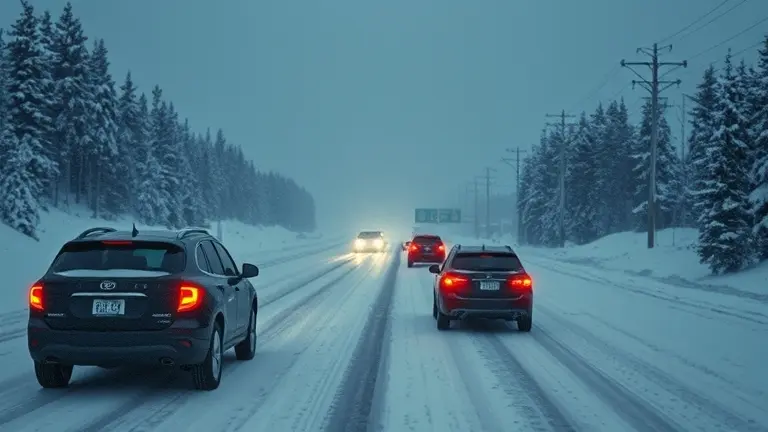
On July 28, 2026, travelers across Northern Alaska were met with a sight that defied the calendar: a genuine snow storm warning. As summer temperatures were expected to peak, the region was instead gripped by a volatile meteorological anomaly that buried mountain highways under six inches of ice and triggered biting 11-degree wind chills. This jarring shift from typical seasonal norms serves as a stark reminder of the unpredictability inherent in high-latitude environments, where the thin, arctic air can turn treacherous in an instant, catching even the most seasoned explorers off guard.
While news outlets have focused on the shock of this summer blizzard, the reality for those traversing these volatile regions is a deeper need for preparedness. When nature defies established climate patterns, your safety depends not just on the external gear in your trunk, but on how your body manages the sudden transition to freezing conditions. Understanding these arctic anomalies is the first step toward safety, but building an internal defense against the physiological stress of extreme temperature shifts is the next crucial frontier in travel security.
Unprecedented Summer Snowstorm: Analyzing the July 2026 Alaska Event

On July 28, 2026, Northern Alaska experienced a meteorological anomaly that defied traditional seasonal expectations, triggering a widespread snow storm warning that caught local residents and summer travelers entirely off guard. While mid-summer temperatures typically invite exploration across the state’s rugged mountain passes, this specific weather event caused a rapid atmospheric shift. Within hours, highways that had been clear and dry were buried under approximately 6 inches of snow and ice, effectively halting transportation and forcing drivers to navigate hazardous, mid-winter conditions during what should have been peak summer.
Meteorological Shock and Infrastructure Impact
The intensity of this event was underscored by extreme physiological and physical challenges. Meteorologists recorded 11-degree wind chills, a figure that represents a significant departure from seasonal norms and highlights the vulnerability of regional infrastructure to sudden, high-latitude climate shifts. The winter storm warning served as a stark reminder of the volatility inherent in arctic and sub-arctic zones, where the transition from mild summer weather to freezing conditions can occur with little warning.
Key factors contributing to the severity of this event included:
- Rapid Accumulation: The unexpected 6 inches of snowfall created immediate traction issues for vehicles ill-equipped for winter tire requirements.
- Severe Wind Chills: Dropping to 11 degrees, these conditions posed a significant risk of hypothermia for those unprepared for cold-weather exposure.
- Travel Disruption: Because the event occurred during the peak tourist season, many travelers were caught in light clothing, highlighting a critical gap in regional preparedness for “out of season” weather events.
This anomalous weather pattern has fueled intense discussion regarding the frequency of extreme climate events in high-latitude regions. For those planning transit through remote Alaskan corridors, the event serves as a definitive case study in why travelers must maintain year-round vigilance, regardless of the calendar date.
Why Summer Snowstorms Happen: The Science of High-Latitude Volatility

The recent snow storm warning in Northern Alaska during the peak of summer has left many questioning the stability of seasonal weather patterns. While temperatures typically soar in late July, high-latitude regions are uniquely susceptible to sudden, dramatic shifts. Scientifically, these anomalous events occur when stagnant atmospheric “blocking patterns” force cold, arctic air masses far south of their normal range. When a high-pressure system parks itself over the Arctic Circle, it can displace the jet stream, creating a gateway for frigid air to collide with warmer, moisture-laden summer air. This collision can result in rapid precipitation, which, at higher elevations, manifests as heavy snow rather than rain.
Atmospheric Drivers of Unseasonal Cold
The mechanism behind a winter storm warning in July often involves a disruption in the polar vortex or localized atmospheric instability. Several factors contribute to these rare meteorological events:
- Jet Stream Meandering: A “wavy” jet stream allows deep troughs of low pressure to push cold air into lower latitudes, bypassing typical temperature safeguards.
- Topographic Amplification: In mountainous regions, elevation plays a critical role; as air rises over peaks, it cools rapidly, turning marginal rain events into significant icing or snow accumulation.
- Blocking Highs: Large-scale pressure systems can trap air masses, causing weather to stall over one region for several days, leading to compounding hazards like 6 inches of snow and sub-zero wind chills.
While the rarity of this event is undeniable, meteorological data suggests that such volatility can occur when specific pressure gradients align. For travelers and local authorities, this underscores the importance of treating high-altitude northern corridors with extreme caution, regardless of the calendar date. Infrastructure in these zones is rarely designed for winter conditions during the summer, which is precisely why these sudden shifts—characterized by plummeting wind chills—create such dangerous, unexpected hazards. Understanding these dynamics is the first step toward effective safety preparedness in an era of increasingly unpredictable climate shifts.
Safety Checklist for Unexpected Arctic Weather

The recent snow storm warning issued in Northern Alaska during the peak of summer serves as a stark reminder that high-latitude travel demands constant vigilance. Even in July, meteorological anomalies can trigger severe conditions, turning mountain highways into treacherous landscapes of snow and ice. When planning travel through volatile arctic zones, standard summer preparedness is insufficient. Travelers must adopt a “worst-case scenario” mindset, ensuring they are equipped for rapid drops in temperature and heavy precipitation that can occur without traditional warning signs.
Essential Emergency Gear for High-Latitude Travel
To stay safe when a sudden winter storm warning interrupts your journey, your vehicle must serve as a mobile life-support unit. If you find yourself stranded in 11-degree wind chills, the following items are non-negotiable:
- Thermal Protection: Carry high-rated emergency thermal blankets and sub-zero sleeping bags for every passenger.
- Traction Aids: Even in summer, keep a set of tire chains and a portable shovel in the trunk to navigate sudden snow accumulation.
- Communication: In remote regions where cellular service is unreliable, a satellite communication device or a personal locator beacon is vital for alerting rescue services.
- Nutrition and Hydration: Maintain a supply of high-calorie, non-perishable rations and at least one gallon of water per person per day.
- Visibility Tools: Keep high-intensity LED flares, reflectors, and a bright, waterproof flashlight to signal for help during whiteout conditions.
Protocols During a Surprise Storm
If you encounter a snow storm warning or begin to witness rapidly deteriorating road conditions, immediate action is required. First, prioritize staying with your vehicle, as it provides vital shelter from the elements. If you must stop, move as far off the road as possible to avoid traffic accidents. Clear the exhaust pipe of any snow to prevent carbon monoxide buildup if you need to run the engine for intermittent heat. Most importantly, monitor local weather radio frequencies or weather apps for the duration of the event, as arctic climate shifts can be as unpredictable as they are sudden. Always inform a secondary contact of your itinerary and expected arrival times to ensure a search is triggered if you fail to reach your destination.
Navigating High-Latitude Travel: Resilience in a Changing Climate
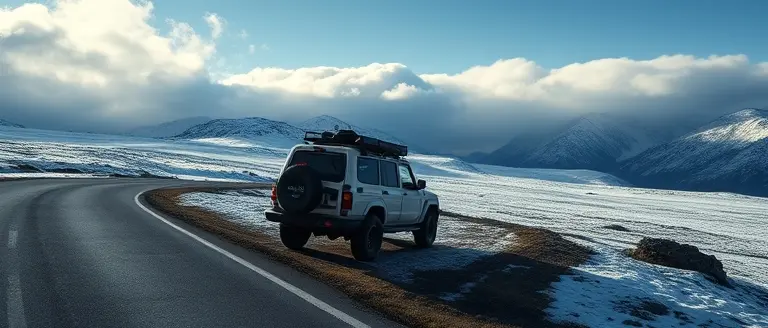
The recent snow storm warning in Northern Alaska serves as a stark reminder that high-latitude environments demand respect regardless of the calendar date. When travelers encounter an unseasonal winter storm warning in late July, the combination of sub-freezing wind chills and accumulated ice creates hazardous conditions that can incapacitate even seasoned motorists. As climate patterns become increasingly volatile, the historical predictability of seasonal weather is diminishing, making it essential for travelers to adopt a mindset of constant vigilance. Preparing for arctic-level hazards during summer months is no longer an exercise in over-caution; it is a fundamental requirement for personal safety.
Essential Preparedness Strategies for Arctic Travel
To navigate these unpredictable meteorological events, travelers should prioritize the following safety protocols:
- Monitor Local Authorities: Never rely solely on generic weather apps. Consult specific, localized reports from the National Weather Service or regional transportation departments for real-time data on mountain passes.
- Equip for Extremes: Maintain an emergency “go-bag” in your vehicle that includes high-calorie food, thermal blankets, and reliable communication devices, even during summer expeditions.
- Interpret the Risk: Understand that a snow storm warning in high-altitude zones can cause rapid temperature drops, such as the 11-degree wind chills observed recently. If a warning is issued, postpone travel until conditions stabilize.
- Vehicle Readiness: Ensure your vehicle is maintained for cold-weather performance, including reliable tires and proper fluid levels, as extreme temperature swings can affect vehicle systems unexpectedly.
Evidence suggests that climate volatility in northern regions is leading to more erratic weather shifts. Travelers must treat every trip through arctic or alpine terrain as a potential high-risk environment. By integrating these precautions into your travel planning, you ensure that unexpected climate anomalies become manageable challenges rather than life-threatening emergencies. Staying informed and remaining flexible with your itinerary are the most effective tools for maintaining resilience in an era of shifting weather patterns.
Building Resilience Against the Arctic’s Unpredictable Grip
As we have explored, the recent snow storm warning is more than just a fleeting weather event; it is a signal to travelers that the environment is becoming increasingly erratic. While you meticulously prepare your vehicle with chains, heavy-duty blankets, and emergency communication gear, it is easy to neglect the most critical piece of equipment you carry: your own body. When sudden, freezing arctic gusts hit, your respiratory system and sinuses are the very first line of defense against the harsh, biting cold.
This is where ProDentim becomes an essential addition to your travel kit. While you focus on external warmth, ProDentim supports your internal respiratory and sinus microbiome, helping you maintain a biological “shield” against the inflammation and stress caused by exposure to frigid, thin air. By strengthening these delicate systems before you hit the road, you are essentially fortifying your body’s ability to withstand the physiological shock that unexpected northern weather patterns can inflict on even the healthiest travelers.
Don’t wait for a meteorological emergency to consider your systemic health. By prioritizing your oral and respiratory microbiome now, you ensure that you are prepared for whatever nature throws your way, whether it is a summer heatwave or an arctic freeze. It is time to treat your internal resilience with the same level of urgency as your roadside emergency supplies.
 Build your internal defense before you hit the road: Discover how a healthy oral and respiratory microbiome prepares you for any climate.Transform My Internal Defense Today!