

Finding a recall notice in your inbox or on the news is enough to stop any home cook in their tracks, especially when it involves a kitchen staple like your breakfast bacon. Recent reports concerning over 12,000 pounds of Maple Leaf Foods smoked bacon have triggered a significant alert across the Pacific Northwest, leaving many consumers wondering if their current supply is safe to consume. While the term ‘Class I recall’ is designed to catch your attention, it is crucial to distinguish between a widespread health outbreak and an administrative oversight. This recall was initiated not because of a confirmed biological threat like Listeria or Salmonella, but due to a failure to meet specific federal import inspection protocols upon entry from Canada.
We understand the anxiety that comes with food safety alerts. Navigating the nuances of USDA classifications can feel overwhelming, but clarity is your best defense. In this guide, we will help you identify whether your products are affected by the 2026 bacon recall, how to handle your inventory, and why taking a step back to audit your pantry might be the perfect moment to prioritize your long-term metabolic wellness.
Understanding the Maple Leaf Foods Bacon Recall: What Happened?
In late July 2026, the United States Department of Agriculture’s (USDA) Food Safety and Inspection Service (FSIS) issued a significant safety notice regarding a bacon recall involving over 12,000 pounds of product produced by Maple Leaf Foods. While the scale of this maple leaf foods bacon recall caught the attention of consumers across Washington, Oregon, and the broader Pacific Northwest, it is essential to distinguish the regulatory nature of this event from typical foodborne pathogen outbreaks. The recall was not triggered by the presence of biological contaminants like Salmonella or Listeria, but rather due to a procedural import violation. Specifically, the imported smoked bacon products failed to undergo the mandatory federal inspection procedures required for meat entering the United States from Canada.
Why Is This a “Class I” Recall?
Despite the technical nature of the infraction, the USDA classified this incident as a Class I recall. For many consumers, this designation—which the agency defines as a “high-risk” situation—instills immediate alarm. However, the classification is a standard procedural protocol rather than an indication of an active health crisis. A Class I recall is assigned whenever there is a reasonable probability that the use of a product could cause serious, adverse health consequences or death. Because the imported bacon bypassed the necessary federal oversight, the USDA cannot guarantee the safety of the specific batches, forcing them to trigger the highest level of caution to protect public health.
- Scope: Approximately 12,000 pounds of product.
- Reason: Import inspection failure (missing federal regulatory oversight).
- Affected Regions: Primary focus on Washington and Oregon markets.
- Safety Status: No confirmed illnesses or outbreaks have been linked to these specific products at this time.
Consumers residing in the Pacific Northwest should prioritize checking their refrigerators for any affected labels. If you believe you have purchased products subject to the bacon recall 2026 notice, the USDA advises that you do not consume them; instead, return the items to the point of purchase or dispose of them immediately to ensure total safety.
How to Identify If Your Bacon Is Impacted
If you reside in the Pacific Northwest—specifically Washington or Oregon—it is vital to conduct a thorough inspection of your refrigerator to determine if you are in possession of the affected products. As part of the bacon recall 2026, the Maple Leaf Foods bacon recall applies specifically to over 12,000 pounds of smoked bacon that bypassed mandatory federal inspection protocols upon entering the United States. Because these products did not undergo the necessary USDA verification process, they are considered high-risk, regardless of whether the product itself shows signs of spoilage.
Steps to Verify Your Product
To identify if your purchase is part of the current safety alert, carefully examine the packaging of any Maple Leaf Foods bacon currently in your possession. You should look for specific identifiers that distinguish these batches from non-recalled items:
- Check the Brand Name: Ensure the packaging clearly displays the Maple Leaf Foods logo.
- Locate the Establishment Number: Look for the USDA mark of inspection, which typically appears on the front or back of the plastic vacuum seal.
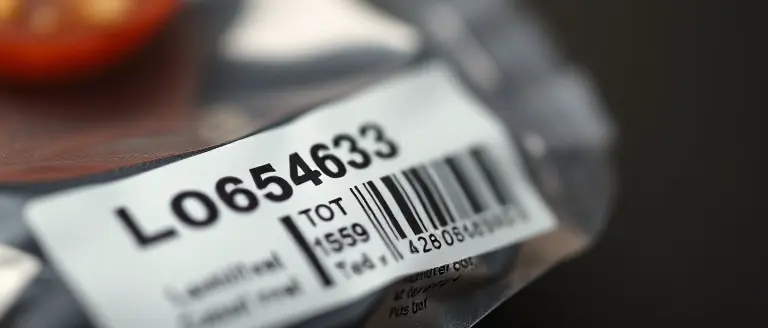
- Review Batch Codes: Cross-reference the production date or serial number located near the “Best Before” date with the official list provided on the USDA FSIS website.
- Examine Packaging Integrity: While this is a regulatory recall, avoid consuming any package that appears damaged, bloated, or has a compromised seal, as these indicate potential food safety issues beyond the administrative violation.
If you find a package that matches the specific codes listed in the official USDA announcement, do not consume the product. Even though the recall is driven by an “import violation” rather than a documented outbreak of illness, the “Class I” classification serves as an urgent reminder to err on the side of caution. Retailers in the impacted regions have been notified to pull these items from shelves; however, if you have already purchased the bacon, you should return it to the point of purchase for a full refund or dispose of it safely. Keeping a photo of the product label can assist with the refund process at your local grocery store.
Is My Maple Leaf Bacon Safe to Eat?

If you recently purchased Maple Leaf Foods products in the Pacific Northwest, you may be wondering if your bacon recall 2026 concerns are grounded in a health emergency. It is essential to understand that the current recall, initiated in late July 2026, is classified as an “import violation” rather than a discovery of harmful bacteria like Salmonella or Listeria. While the USDA has labeled this a Class I recall, this designation indicates that the product did not pass through the required federal inspection protocols upon entering the United States from Canada. Consequently, the government cannot verify the safety of these specific batches, and a recall is mandated by law to ensure total regulatory compliance.
Regulatory Violation vs. Foodborne Contamination
The distinction between an administrative oversight and a foodborne illness outbreak is critical. A Class I recall is the most serious classification, but in this specific instance, it serves as a safety net for a procedural failure rather than a response to reported illnesses. Because the bacon bypassed mandatory USDA inspection procedures, there is no documented evidence that the product is physically tainted. However, because the agency cannot guarantee that the bacon was handled or processed under the required oversight, they have deemed it high-risk.
Steps to Take for Your Safety
Even if your bacon appears perfectly fresh, you should not consume any product included in this Maple Leaf Foods bacon recall. To determine if your items are affected:
- Check the Label: Look for specific packaging details, batch numbers, or codes provided by the USDA-FSIS notice.
- Avoid Consumption: As a standard precaution, discard the product or return it to the place of purchase for a full refund.
- Monitor Official Channels: Stay updated via the USDA website for the most accurate list of affected serial numbers.
While it is understandable to be concerned, rest assured that this recall is a precautionary measure driven by regulatory gaps rather than an active health crisis. By following these steps, you are protecting yourself while adhering to official food safety guidelines.
Steps to Take: Returning Recalled Products

If you have discovered that your household contains items affected by the recent bacon recall, the most important action is to stop consumption immediately. Although the Maple Leaf Foods bacon recall is currently classified as a regulatory issue rather than a confirmed biological outbreak, the USDA Food Safety and Inspection Service (FSIS) mandates that all Class I recalled items be removed from the supply chain and consumer kitchens. Do not attempt to cook or repurpose the product, as the absence of required federal import inspections means there is no certified safety verification for these specific batches.
Immediate Action Plan for Consumers
To ensure your household remains safe and to secure a refund, follow these specific steps:
- Check the Label: Locate the establishment number and lot code on your packaging. Compare these against the official list provided by the FSIS or the manufacturer’s recall notice.
- Do Not Consume: Regardless of the “high-risk” classification, treat the product as non-compliant. Store the bacon in a sealed bag away from other food items to prevent cross-contamination while you wait to return it.
- Return to Point of Purchase: Take the affected bacon back to the retailer where it was purchased. Most grocery stores in the Pacific Northwest region are aware of the bacon recall 2026 and are authorized to issue a full refund without a receipt if the product is identified as part of the recall.
- Retain Proof: If you are unable to visit the store immediately, keep the original packaging, as it contains the critical batch information required for validation.
If you have questions regarding your specific package or encounter difficulties securing a refund, contact Maple Leaf Foods customer support directly through their official website. Retailers are expected to assist in the recovery of these products, but holding onto the packaging serves as your primary evidence of purchase. For further updates regarding the scope of the recall, continue monitoring official USDA announcements, as these administrative actions are subject to change as the agency tracks down the remaining affected inventory across the affected states.
Take Control of Your Health Beyond the Kitchen Shelf
While clearing your pantry of recalled items is a necessary step for your immediate peace of mind, this disruption serves as a timely reminder that what you put into your body directly dictates your daily energy and vitality. It is easy to focus exclusively on the safety of specific grocery staples, yet the most proactive measure you can take is to fortify your body’s internal systems against the stresses of modern diet uncertainty.
As you reassess your kitchen inventory and remove potentially compromised products, many are choosing to focus on overall metabolic health and energy stability. This is where Sugar Defender becomes an essential wellness companion. Designed to support consistent energy levels and provide metabolic clarity, this supplement acts as a foundation for your health while you reorganize your dietary routine. By integrating this into your daily regimen, you are doing more than just recovering from a pantry restriction; you are choosing to stabilize your metabolic health during a time of disruption.
Making the switch to a more intentional health approach ensures that no matter what happens on the grocery shelf, your body remains balanced, energized, and resilient. Don’t let dietary shifts leave you feeling depleted. Take this moment to invest in your long-term vitality with a proven solution designed for your success.
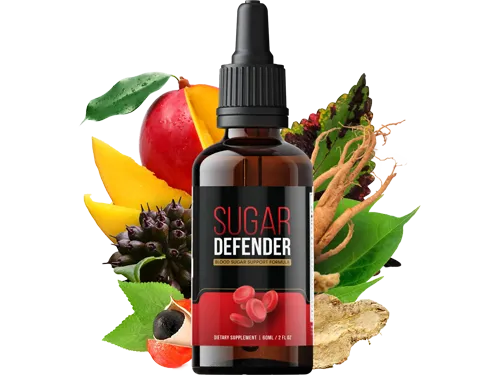 Support your metabolic health and regain energy stability today by trying Sugar Defender.Yes, I Want to Restore My Energy Now!