

A relentless, slow-moving storm system has stalled over the Northeast, placing New York and the Tri-State area under an urgent flash flood warning. As record-breaking rainfall inundates the Hudson Valley and Long Island, local infrastructure is being pushed to its limits, creating life-threatening conditions for commuters and residents alike. With the threat currently shifting eastward into New England, understanding the immediate risks and knowing how to navigate hazardous travel is no longer optional—it is a critical necessity for your safety.
Beyond the immediate danger of rising water, many residents are already bracing for the aftermath of property damage. Whether it is debris-impacted sheds, compromised foundations, or water-logged outdoor structures, the path to recovery begins the moment the waters recede. This guide provides the essential utility-first information you need to stay safe today and the professional resources required to reclaim the structural integrity of your home tomorrow.
Current Situation: Slow-Moving Storms and Regional Flash Flood Warnings

As of July 29, 2026, the Tri-State area remains under a critical flash flood warning due to a persistent atmospheric blocking pattern that has effectively stalled a major storm system over the region. Since July 28, this weather pattern has unleashed relentless, heavy downpours, leading to life-threatening water accumulation across low-lying areas. Meteorologists report that the storm’s inability to move eastward is causing significant hydrological stress, particularly in the Hudson Valley and Long Island, where saturated ground can no longer absorb additional rainfall.
Impacted Regions and Trajectory
The current meteorological crisis is disproportionately affecting the following areas, with authorities issuing high-priority alerts:
- Hudson Valley: Orange, Rockland, Putnam, and Westchester counties are experiencing extreme runoff and fast-flowing water in drainage basins.
- Long Island: Coastal and inland communities are reporting localized street flooding, making travel hazardous.
- Northeast Corridor: The severe weather threat is now shifting eastward, moving into New England as the system slowly breaks from its stall.
These conditions are considered life-threatening. Emergency management agencies across New York emphasize that individuals should avoid travel whenever possible, as flash flooding can occur with little to no warning. Unlike standard seasonal rain, this event is characterized by the sheer volume of water falling in short, intense bursts, which can quickly turn standard roadways into dangerous, impassable channels.
Evidence suggests that the threat will continue until the blocking pattern dissipates. Residents are urged to monitor real-time NWS updates and stay off the roads, as vehicle entrapment remains the highest risk factor in these volatile conditions. Stay alert, prioritize your safety, and prepare for potential power outages or road closures in your immediate vicinity.
Is It Safe to Drive? Road Conditions and Travel Hazards

When a flash flood warning is in effect for weather in New York and the broader Northeast, the safest decision is to stay off the roads entirely. Rapid water accumulation can turn familiar routes into lethal traps within minutes. If you encounter flooded roads, you must strictly follow the “Turn Around, Don’t Drown” protocol. A mere six inches of fast-moving water can knock an adult off their feet, while just 12 inches of rushing water is enough to carry away most small vehicles, and two feet can float even large SUVs and trucks.
Identifying Hazardous Road Conditions
Visibility and traction are severely compromised during this slow-moving storm system. Even if the water appears shallow, its depth can be deceiving, especially at night or in areas where pavement has been washed away by current. Look for these critical warning signs that indicate immediate danger:
- Obscured Markings: If you cannot see the lane lines or the road surface, assume the water depth is already dangerous.
- Debris and Flow: Observe objects in the water; if you see branches, trash, or gravel moving quickly, the current is strong enough to compromise vehicle stability.
- Standing Water: Puddles that bridge the width of the road often hide deep potholes or collapsed drainage systems.
- Barriers and Signage: Never drive past “Road Closed” signs or emergency barricades; they are placed there because the road ahead is impassable.
Critical Travel Safety Protocols
If you are already on the road and encounter rising water, prioritize your safety over your vehicle. If your car stalls in rapidly rising water, exit immediately and move to higher ground if it is safe to do so. Do not attempt to walk through fast-moving water. Before departing, you must monitor real-time travel alerts to ensure you are not driving into a high-risk zone. Use these official resources to check for current closures:
- NWS Alerts: Check weather.gov for your specific county to see if your route is under an active warning.
- 511 Traveler Information: Access your state’s 511 portal (e.g., 511NY for New York) to view live traffic incident reports, bridge closures, and localized flooding updates.
Prioritizing these safety measures is essential as the threat shifts eastward into New England. Staying informed and avoiding unnecessary travel remains the most effective strategy to mitigate risks during this persistent atmospheric event.
Flash Flood Safety: Essential Do’s and Don’ts
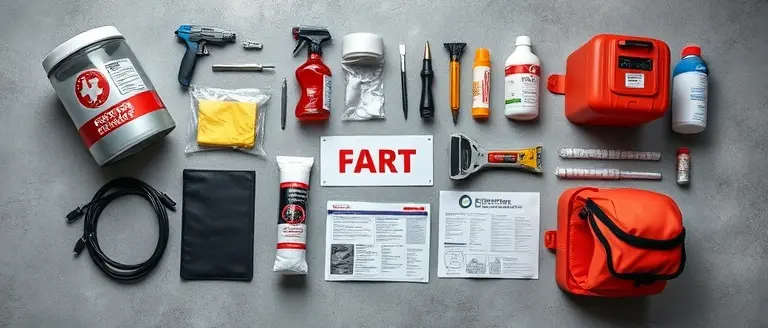
When a flash flood warning is issued for New York or the surrounding Tri-State area, taking immediate action is the difference between safety and a life-threatening emergency. With the current slow-moving storm system causing dangerous water accumulation across the Hudson Valley and Long Island, residents must prioritize proactive safety measures. The following protocols are designed to keep you and your family safe during this volatile weather event.
Indoor Safety and Preparation
If you are at home, focus on securing your environment and preparing for potential utility failures.
- Move to Higher Ground: If you reside in a basement or a ground-floor apartment in a flood-prone zone, move to an upper level immediately.
- Avoid Electrical Hazards: Do not handle electrical equipment or appliances if you are wet or standing in water. If flooding begins to enter your home, turn off your main power breaker if it is safe to access.
- Monitor Local Alerts: Keep a battery-operated radio or your mobile device charged to receive real-time updates from the National Weather Service.
- Prepare a Go-Bag: Ensure you have essential supplies, including medication, non-perishable food, water, and important documents, packed and ready if an evacuation becomes necessary.
Outdoor Safety and Vehicle Protocols
The most common cause of flood-related fatalities involves individuals attempting to drive or walk through flooded roadways.
- “Turn Around, Don’t Drown”: Never attempt to drive through flooded streets. Just six inches of fast-moving water can knock an adult off their feet, and as little as one foot of water can sweep a vehicle away.
- Avoid Power Lines: Stay clear of downed power lines or cables; they may be energized by standing water, creating a lethal electrocution risk.
- Avoid Walking in Floodwater: Floodwaters often contain hidden debris, raw sewage, and chemical contaminants.
- Follow Official Evacuation Orders: If local authorities issue an evacuation order for your specific county, do not hesitate. Leave the area via designated safe routes immediately to avoid becoming trapped as the storm shifts eastward.
Live Tracking and Real-Time Alerts

To navigate the current flash flood warning effectively, residents across weather New York sectors and the shifting path into New England must prioritize hyper-local data sources. Official information is currently aggregating rapidly as the slow-moving storm stalls over the region. The National Weather Service (NWS) provides the most reliable real-time tracking through their official NWS interactive map, which allows you to zoom into specific counties like Westchester, Rockland, or Putnam to view active emergency polygons. As the threat moves eastward, users should bookmark the NWS Northeast regional page to monitor transition-phase alerts that signify imminent danger from heavy downpours and rising water levels.
How to Configure Emergency Notifications
Reliable communication is your first line of defense. Wireless Emergency Alerts (WEA) are pushed automatically to your smartphone by local authorities during life-threatening events, but you must ensure your device settings are correctly enabled to receive them:
- iPhone Users: Navigate to Settings > Notifications, scroll to the bottom, and ensure “Emergency Alerts” and “Public Safety Alerts” are toggled to the ‘ON’ position.
- Android Users: Open your Messaging app or Settings, search for “Wireless Emergency Alerts,” and verify that “Extreme Threats” and “Severe Threats” are active.
- Localized Updates: For New York City and surrounding suburbs, sign up for Notify NYC to receive text-based updates tailored to your specific borough or zip code.
County-Specific Tracking Resources
As this persistent weather pattern creates hazardous conditions, rely on county emergency management dashboards rather than social media hearsay. Many jurisdictions in the Hudson Valley now utilize dedicated portals to share real-time road closures and evacuation routes. If you are traveling through the Tri-State area or New England, prioritize updates from the Department of Transportation (DOT) alongside NWS alerts. Avoid navigating through flooded roadways, as data confirms that the majority of flood-related fatalities occur within vehicles trapped in fast-flowing water. Always treat any “Turn Around, Don’t Drown” advisory as a mandatory instruction rather than a suggestion.
Reclaiming Your Property After the Storm
As the immediate danger of the current flash flood warning subsides, the focus for many homeowners will shift toward assessing and repairing the damage left in the storm’s wake. When professional contractors are overwhelmed or inaccessible, the burden of urgent structural repair often falls on you. Having a reliable, professional-grade resource at your fingertips is the difference between struggling with trial-and-error repairs and efficiently securing your property against future degradation.
This is where the right recovery toolkit becomes essential. We recommend leveraging a comprehensive library of professional building plans that provide the technical blueprints necessary to rebuild or reinforce sheds, fences, and outdoor structures with confidence. By utilizing professional-grade plans, you eliminate the guesswork and ensure that your recovery efforts are both durable and safe, allowing you to regain control of your home’s exterior even in the aftermath of severe weather.
Taking action now ensures you are prepared to address structural vulnerabilities before they turn into long-term liabilities. Equip yourself with the right knowledge and blueprints today to streamline your recovery project and restore your property’s value effectively.
 Access the comprehensive library of professional building plans to secure your property and start your recovery projects today.Yes, I Want My Recovery Toolkit Now!