
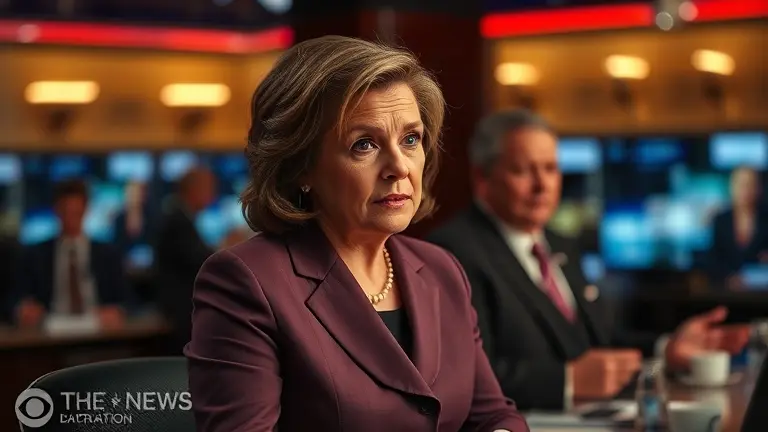
In an era where political discourse moves at breakneck speed, the Sunday morning cycle remains the gold standard for substantive national dialogue. Today’s broadcast of CBS News’ Face the Nation with Margaret Brennan proved no exception, serving as a critical touchstone for voters and analysts alike. With high-stakes interviews featuring Senator Bernie Sanders and U.N. Ambassador Mike Waltz, the program provided a dense, multi-layered look at the current geopolitical and domestic landscape that demands more than just a passing glance.
For the busy professional or news-junkie, however, keeping pace with these intricate policy debates requires significant cognitive bandwidth. Whether you are tracking the implications of U.N. diplomatic strategy or domestic economic shifts, the ability to synthesize, fact-check, and retain this volume of complex information is a professional necessity. Below, we break down the core takeaways from this week’s discussion to help you stay ahead of the curve without the need for an hour-long commitment.
Face the Nation: Weekly Political Discourse and Current Trends

As of July 26, 2026, CBS News continues to serve as a cornerstone of American political engagement, particularly through its flagship Sunday program, Face the Nation with Margaret Brennan. The network is currently trending as a primary resource for voters and policy analysts alike who rely on the program’s consistent ability to secure high-profile guests and facilitate rigorous, non-partisan interviews. By providing a platform for critical debate, the show remains a vital mechanism for translating complex federal policy into accessible public discourse.
Key Conversations and Political Implications
The July 26, 2026, broadcast drew significant attention due to its lineup, which featured prominent voices from across the political spectrum. Viewers turned to the network to gain clarity on emerging legislative priorities and foreign policy initiatives. Central to this week’s discussion were:
- Senator Bernie Sanders: Provided an in-depth perspective on current domestic economic policy and legislative challenges facing the administration.
- U.N. Ambassador Mike Waltz: Offered critical insights regarding international relations and the current global geopolitical landscape.
The synthesis of these interviews is essential for those seeking to understand the broader political implications of the day. As audiences increasingly look for efficient ways to consume political information, CBS News has solidified its role by delivering timely transcripts and expert analysis. Whether viewers are tracking legislative updates or seeking verification on specific policy claims, the program acts as a reliable barometer for the nation’s political climate. Beyond the beltway, the network maintains its influence by pairing this rigorous political reporting with localized updates, such as essential weather coverage for regions like North Texas, ensuring the brand remains a constant in the daily lives of its diverse audience. This blend of national authority and local utility is exactly what sustains the network’s high search visibility and relevance in an ever-shifting media environment.
Bernie Sanders on CBS News: Key Takeaways and Policy Analysis
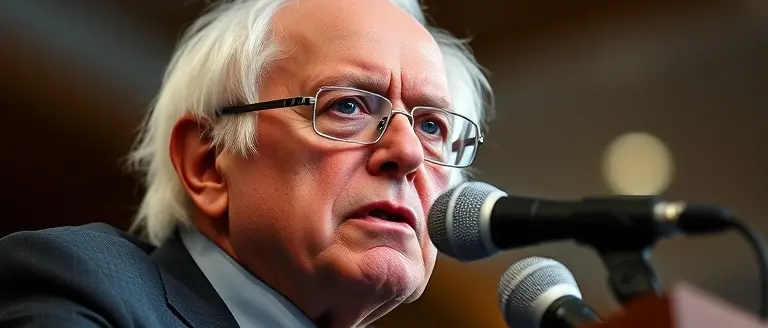
During his recent appearance on CBS News for Face the Nation, Senator Bernie Sanders utilized the platform to reiterate his core legislative priorities, focusing heavily on wealth inequality and the necessity for structural reform within the American economic landscape. Sanders argued that the current economic climate disproportionately favors large corporations while failing to provide adequate support for the working class. By framing the conversation around the “greed economy,” the Senator emphasized that systemic shifts—specifically regarding tax code overhaul and the strengthening of labor unions—are essential to stabilizing the standard of living for middle-to-low-income households.
Core Policy Arguments and Legislative Priorities
The discussion centered on several key pillars that have defined Sanders’ long-standing platform. His critique was sharp, targeting what he described as stagnant wage growth in the face of record corporate profits. The following points highlight his stance:
- Corporate Accountability: Sanders pushed for increased regulation on multinational conglomerates to ensure equitable tax contributions and fairer wage structures.
- Economic Reform: He advocated for policy measures designed to curb the influence of corporate lobbying on federal decision-making, which he claims stalls bipartisan progress on essential social programs.
- Social Safety Nets: A primary focus was placed on expanding access to healthcare and childcare, arguing that these are not merely social luxuries but fundamental economic imperatives for a productive workforce.
As the political conversation evolves following his CBS News interview, these soundbites are currently resonating across social media platforms. Supporters characterize his message as a necessary call to action, while critics remain focused on the budgetary implications of his proposed social spending. Ultimately, Sanders’ appearance underscored the deepening divide in fiscal philosophy, serving as a critical touchstone for those tracking the 2026 political discourse. His ability to distill complex economic grievances into accessible, actionable policy demands continues to make him a central figure in the broader conversation on national economic health.
U.N. Ambassador Mike Waltz: Global Strategy and Security Insights
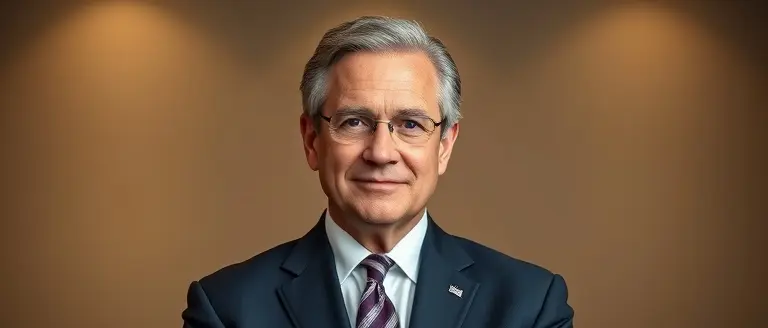
In his recent appearance on CBS News, U.N. Ambassador Mike Waltz provided a comprehensive overview of the current administration’s foreign policy strategy, emphasizing a shift toward proactive containment and reinforced multilateral alliances. Addressing the complex landscape of ongoing international conflicts, Ambassador Waltz outlined a framework rooted in traditional realpolitik, asserting that the United States must balance its humanitarian commitments with long-term national security interests. His analysis suggests that stability in key contested regions relies heavily on the strength of democratic partnerships and the ability of the U.S. to project influence without necessarily engaging in protracted military interventions.
Strategic Priorities for Global Security
Ambassador Waltz highlighted several critical pillars that define the current administration’s approach to modern geopolitical threats. His commentary reinforces the broader conversation unfolding on weekend news cycles regarding America’s role on the world stage. Key takeaways from his strategic outlook include:
- Alliance Strengthening: A move to revitalize traditional alliances to create a unified front against authoritarian expansionism.
- Technological Sovereignty: The necessity of securing supply chains for critical technologies, framing them as a cornerstone of modern defense strategy.
- Diplomatic Engagement: Prioritizing high-level diplomatic channels to mitigate regional escalations before they necessitate deeper U.S. military involvement.
The implications of these statements are significant for the broader national security conversation. By pivoting the focus toward an integrated security model, Waltz aims to reassure domestic audiences that the United States remains a reliable anchor in an increasingly fragmented global order. Analysts monitoring CBS News coverage note that the Ambassador’s rhetoric is designed to project strength while maintaining enough flexibility to navigate shifting alliances in the Indo-Pacific and Eastern Europe. This non-partisan synthesis of his interview underscores a strategic pivot: the administration is moving away from reactive policy, opting instead for a consistent, structured, and long-term engagement strategy that seeks to minimize the likelihood of direct conflict while maintaining maximum global leverage.
Expert Recap: Analyzing the Sunday Political Pulse

The July 26, 2026, episode of CBS News flagship program, Face the Nation with Margaret Brennan, served as a critical temperature check for the current legislative and foreign policy landscape in the United States. By contrasting the populist domestic economic focus of Senator Bernie Sanders with the international security priorities outlined by U.N. Ambassador Mike Waltz, the broadcast highlighted the widening divide between internal social safety net debates and the demands of an increasingly volatile global arena. Viewers seeking a rapid-response synthesis of these interviews will find that while their policy domains differ, both figures are framing their arguments around the long-term sustainability of the American middle class.
Key Takeaways from the Sunday Discourse
To help subscribers on platforms like X and Substack parse the implications of these discussions, we have summarized the core arguments presented during the broadcast:
- Domestic Economic Strategy: Senator Sanders emphasized that current fiscal policies remain tethered to corporate interests, arguing for a restructuring that prioritizes wage growth and healthcare accessibility over immediate market volatility.
- Geopolitical Positioning: Ambassador Waltz utilized the platform to outline a strategy of “principled realism” at the United Nations, signaling a tougher stance on international accountability and collective security obligations.
- The Intersection of Policy: Both discussions suggest that the current trajectory of US politics is shifting toward a mandate for national resilience—whether through economic protectionism or a more assertive global posture.
For those analyzing the current political pulse, it is evident that these dialogues are not merely campaign rhetoric but are foundational shifts in how the US plans to address its post-2026 domestic and international challenges. The interplay between these two viewpoints underscores the complex balancing act that voters and policymakers must navigate in the coming months. By synthesizing these perspectives, observers can better track how CBS News coverage is shaping the broader national narrative, providing the essential context required for informed political participation.
Mastering the Complexities of Modern Political Discourse
Synthesizing the rapid-fire insights shared by Senator Sanders and Ambassador Waltz requires more than just attention; it demands peak mental clarity. As we navigate an information-dense landscape, the cognitive load associated with deep analysis often leads to mental fatigue, potentially clouding your ability to process critical policy nuances. Maintaining a sharp, analytical edge is the difference between simply consuming the news and truly understanding the structural implications of today’s political shifts.
Staying updated on fast-moving political cycles requires intense mental resilience, which is why leading analysts are increasingly turning to science-based auditory routines to optimize their cognitive stamina. By integrating a refined, non-intrusive solution like The Brain Song into your daily workflow, you can move past the mid-afternoon mental fog. This innovative tool functions as an intellectual productivity aid, specifically designed to help you process complex debates with heightened focus and superior retention.
Elevate your ability to digest the news cycle and approach every briefing with the mental acuity of a seasoned professional. By harmonizing your cognitive performance with your news consumption habits, you ensure that you are never just a bystander, but a well-informed participant in the national conversation. It is time to treat your brain as the high-performance asset it is, ensuring you remain as sharp as the analysis you rely on.
 Optimize your analytical focus for the next news cycle—experience the 12-minute audio routine used by professionals to combat mental fog.Unlock My Cognitive Potential Now!