
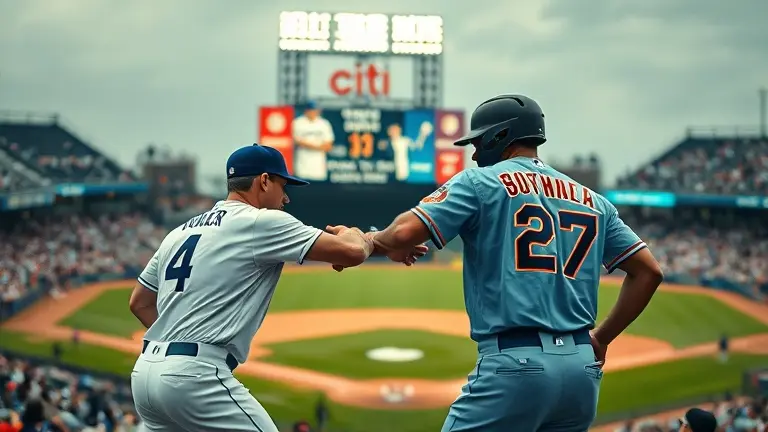
The atmosphere at Citi Field this July 26th is thick with more than just the summer humidity; it is charged with the kind of tension that only a pivotal Dodgers vs Mets series can generate. While casual fans are glued to the scoreboard, the real story is unfolding in the front office suites. As the MLB trade deadline looms, this three-game clash serves as a high-stakes stress test for both organizations. For the Mets, struggling to find their identity, this series is the definitive barometer on whether to aggressively buy for a postseason push or pivot toward a necessary rebuild. Meanwhile, the Dodgers look to assert their dominance, using this matchup to calibrate their internal roster projections against the fiercest competition in the National League.
We are moving beyond the standard play-by-play. This is a deep-dive impact report, examining how specific tactical matchups—such as the Mets’ defensive schemes against the explosive power of Shohei Ohtani and the strategic deployment of Roki Sasaki—are directly influencing executive strategy. In a league where marginal gains translate into championships, the ability to synthesize these complex roster dynamics is what separates the average spectator from the true expert analyst. It is time to look under the hood of this series and decipher what it really means for the future of both franchises.
Dodgers vs. Mets: A High-Stakes Series Before the Trade Deadline
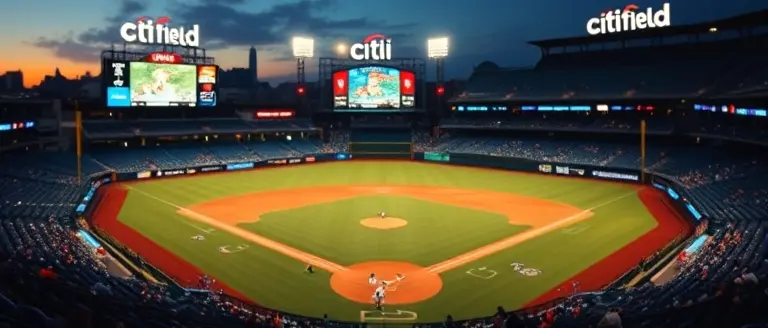
The July 26, 2026, finale at Citi Field represents far more than just a regular-season clash between the Los Angeles Dodgers and the New York Mets. As the MLB trade deadline looms, this series serves as a critical litmus test for both front offices. For the Mets, the atmosphere in Queens is charged with palpable urgency; every pitch against a juggernaut like Los Angeles provides the data needed to decide whether to push for a postseason spot or pivot toward a roster reset. Analysts, including voices like Ken Rosenthal, have pointed to this series as a potential turning point for New York’s strategic direction, with the team’s ability to compete against elite pitching—including the likes of rising rotation talent—serving as a key indicator of their actual playoff viability.
Strategic Stakes and Roster Implications
The dodgers vs mets series is essentially a collision between established dominance and organizational crossroads. While the Dodgers continue to refine their roster for a deep October run, led by the undeniable global impact of Shohei Ohtani, the Mets are operating under a more microscope-focused scrutiny. The following factors highlight why this specific matchup carries such heavy weight:
- Trade Deadline Leverage: The performance of the Mets’ core against top-tier Dodgers pitching will dictate the aggressiveness of the front office in the final days before the deadline.
- Pitching Depth Assessment: With pitchers like Roki Sasaki drawing significant attention, teams are looking to see how these arms hold up under the pressure of a high-interest series environment.
- Consistency vs. Potential: While the Dodgers are looking to solidify their standing, the Mets must prove that their current roster composition is enough to justify “buying” moves to bolster their bullpen and middle-of-the-order hitting.
The disparity in current expectations is clear. The Dodgers enter this finale looking to maintain their trajectory, while the Mets are fighting to define their identity. Whether it is the defensive maneuvering against Ohtani or the long-term outlook for pitchers like Emmet Sheehan, this series provides the final snapshot that decision-makers will use to justify their next major roster maneuvers. As the final innings play out, the focus remains on whether these teams view themselves as legitimate contenders or clubs in need of a fundamental structural shift.
The Ohtani Effect: Measuring the Dodgers’ Offensive Threat
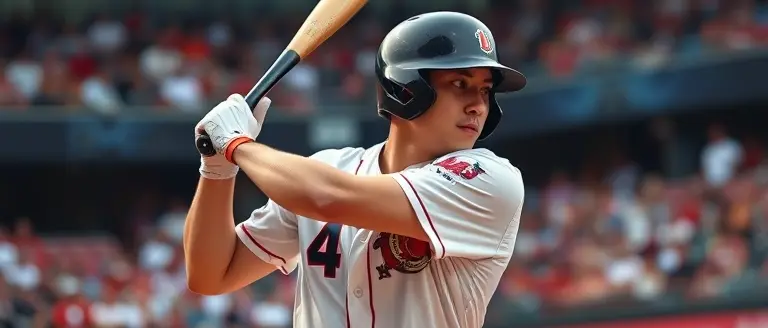
The presence of Shohei Ohtani at the plate remains the ultimate litmus test for any pitching staff, and this dodgers vs mets series at Citi Field has served as a masterclass in defensive stress management. Ohtani’s unique ability to shift the leverage of an entire game with a single swing forces opposing managers into tactical corners, often requiring them to burn high-leverage bullpen arms earlier than intended. Against the Mets, Ohtani’s plate discipline has consistently disrupted the rhythm of New York’s starters, creating a high-pressure environment that reverberates through the entire defensive unit.
Tactical Implications for the Mets’ Front Office
The “Ohtani Effect” extends far beyond his individual batting average; it acts as a catalyst for organizational decision-making. As the MLB trade deadline looms, the Dodgers’ offensive output—spearheaded by Ohtani—exposes specific vulnerabilities in the Mets’ roster construction. Analysts, including those citing recent Ken Rosenthal reports, note that if the Mets’ pitching cannot effectively navigate the top of the Los Angeles lineup, it accelerates the narrative that the front office must be aggressive in acquiring high-velocity depth.
Key factors contributing to the Dodgers’ dominance in this series include:
- Elite Plate Discipline: Ohtani’s ability to force deep counts elevates the pitch counts of Mets starters, forcing a reliance on middle-relief corps.
- Strategic Shifts: The Mets have been forced to deploy unconventional defensive alignments to neutralize Ohtani, which in turn opens gaps for other high-performing Dodgers hitters.
- Roster Pressure: The sheer consistency of the Dodgers’ offense forces the Mets’ front office to weigh the cost of “buying” immediate pitching reinforcements versus holding onto prospects.
Ultimately, the intensity of this dodgers – mets matchup underscores the gap between a team functioning as a league-wide juggernaut and one searching for its post-deadline identity. By observing how Ohtani dictates the tempo of these games, the Mets’ front office is receiving a clear, data-driven mandate: either bolster the rotation significantly to counter elite lineups or face the reality of a widened performance gap in the National League standings.
Mets Front Office at a Crossroads: Buy or Sell?

The dodgers vs mets series at Citi Field has served as a brutal, high-stakes litmus test for the New York front office. As the MLB trade deadline looms, the performance of the Mets against a high-octane Los Angeles roster has laid bare the team’s structural deficiencies. Analysts, including Ken Rosenthal, have pointed to this series as a critical inflection point; if the Mets fail to compete with elite pitching rotations like the one anchored by the Dodgers, the organizational mandate may shift rapidly from “aggressive buyer” to “strategic seller.” The inability to consistently neutralize hitters like Shohei Ohtani or handle the pressure of deep-inning starters suggests that the current roster lacks the depth required for a deep October run.
Analyzing the Strategic Impasse
The evidence gathered during this series highlights several glaring vulnerabilities that the front office must reconcile:
- Pitching Rotation Depth: The gap between the Mets’ middle-rotation arms and the Dodgers’ heavy hitters has been stark. While individual efforts have been valiant, the team’s aggregate performance against high-velocity pitching—reminiscent of the challenges faced against arms like those projected in the Dodgers’ deep stable—remains a major concern.
- Offensive Stagnation: The series underscored a lack of versatility. When the Mets’ core lineup is stifled by tactical pitching, the lack of depth off the bench becomes an anchor on their seasonal trajectory.
- The “Buy or Sell” Dilemma: If the front office decides to buy, they must acquire impact talent capable of stabilizing the bullpen and augmenting the rotation. However, if they view this performance as a reflection of long-term incompatibility, the data supports an immediate pivot to offloading pending free agents to bolster the farm system.
Ultimately, the front office must weigh the cost of a “win-now” gamble against the reality of the standings. If the dodgers – mets matchups are an accurate barometer for National League superiority, the Mets’ management must decide if they are building a contender or merely delaying an inevitable rebuild. Whether they choose to stay the course or trade away assets, this series has made one thing clear: the status quo is no longer a viable path to a championship.
Pitching Matchup Analysis: Roki Sasaki and the Quest for Dominance

The dodgers vs mets series at Citi Field has underscored the critical role of elite pitching in high-stakes environments. Central to this narrative is the performance of Roki Sasaki, whose recent outings have provided a masterclass in velocity and movement, forcing the Mets’ lineup to recalibrate their approach. Sasaki’s ability to generate swing-and-miss outcomes with his secondary offerings has created a significant hurdle for New York hitters, who are currently struggling to translate contact into runs during this pivotal July stretch. Analytical data suggests that Sasaki’s success isn’t merely about raw speed; it is his surgical command of the zone that keeps hitters off-balance, effectively neutralizing the Mets’ middle-of-the-order threats.
Strategic Implications of Pitching Profiles
When evaluating the tactical landscape of this series, the contrast between the Dodgers’ pitching depth and the Mets’ current rotation woes becomes clear. While the Dodgers leverage the high-ceiling output of pitchers like Sasaki, the Mets have had to rely on a mix of veteran presence and younger arms, such as Emmet Sheehan, who carries a 5.13 ERA. This discrepancy has profound implications for the impending MLB trade deadline:
- Dodgers Strategy: With dominant performances on the mound, the Dodgers are signaling a “win-now” trajectory, utilizing their pitching superiority to dictate game pacing and limit opponent offensive momentum.
- Mets’ Front Office Dilemma: The inability of the current rotation to consistently match the output of stars like Shohei Ohtani and the Dodgers’ top-tier arms is forcing New York’s management to reconsider their stance on becoming aggressive buyers at the deadline.
- Lineup Adjustments: Scouting reports indicate that Mets hitters are facing increased pressure to execute small-ball strategies, as swinging for power against high-velocity, high-spin profiles has yielded limited results during this series.
Ultimately, the pitching matchups observed throughout these games are serving as a litmus test for both rosters. As the series concludes, the data gathered from these specific dodgers – mets encounters will likely serve as the foundational justification for any roster maneuvers that Ken Rosenthal and other industry insiders anticipate in the coming days. The ability to mitigate damage against high-strikeout pitchers remains the Mets’ biggest obstacle to securing wins in the final stretch of the season.
Mastering the Deadline: Your Strategic Advantage
As the final out of this series is recorded, the ripple effects will be felt across the entire league. Whether the Mets solidify their roster or begin shedding assets, the data presented in this series provides the blueprint for the coming weeks. However, interpreting this data accurately requires more than just passion; it demands a level of mental acuity that cuts through the noise of trade rumors and post-game speculation.
Just as the Mets’ front office needs absolute clarity to navigate the high-stakes trade deadline, you need peak cognitive function to process the nuance of these complex team dynamics. This is why we recommend The Brain Song. Designed for those who refuse to miss a single detail, it offers the mental edge required to synthesize scouting reports, pitching stats, and trade scenarios into a coherent, forward-looking strategy. By eliminating mental fog and enhancing your focus, it turns the experience of watching the game from passive consumption into an active, analytical advantage.
Don’t let the complexity of the trade deadline overwhelm your analysis. Sharpen your perspective, refine your scouting eye, and ensure your predictions are as precise as a professional general manager’s. It is time to elevate how you engage with the sport you love.
 Sharpen your analytical edge and master the trade deadline cycle—discover how The Brain Song keeps your focus as precise as a professional scout.Transform My Analytical Edge Today!