
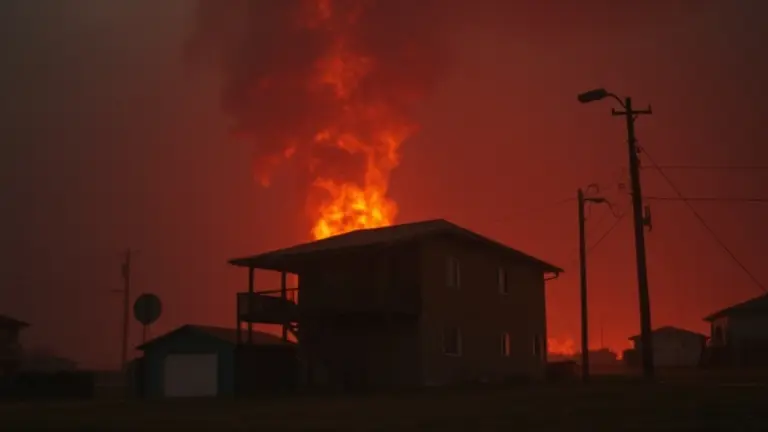
As of late July 2026, a relentless high-pressure heat dome has settled over the central United States, pushing temperatures well into the triple digits. For millions of residents, from Dallas northward, this extreme heat warning is more than a weather advisory; it is a direct challenge to daily comfort, safety, and energy stability. While we often rely on cranking the air conditioning to combat the swelter, the strain on local power grids and the constant threat of utility failures highlight an urgent need for a more proactive, sustainable approach to surviving these record-breaking peaks.
Understanding the science behind this intensification is the first step toward reclaiming your environment. By moving beyond reactive measures and adopting structural heat-deflection strategies, you can significantly lower your home’s internal temperature naturally. This guide explores how to pivot from passive monitoring to building true domestic resilience, ensuring your household stays cool and safe even when the mercury refuses to drop.
Understanding the July 2026 Heat Dome: Current Meteorological Status

As of July 26, 2026, a massive, high-pressure heat dome has stalled over the central United States, triggering an extreme heat warning across a vast corridor stretching from Dallas, Texas, and extending northward. Meteorologists define this phenomenon as a persistent ridge of high atmospheric pressure that acts like a lid on a pot, trapping hot air near the surface and preventing the circulation of cooler winds. By compressing the air beneath it, this system creates a self-reinforcing cycle where ground-level temperatures soar and remain stagnant for extended periods.
Why Temperatures Are Exceeding 100°F
The current meteorological data confirms that vast swaths of the heartland are experiencing temperatures consistently surpassing the 100°F (37.8°C) threshold. According to reporting from major outlets and National Weather Service (NWS) advisories, the stability of this dome prevents the development of typical afternoon thunderstorm activity, which usually provides temporary relief. Instead, the trapped heat is intensifying daily, creating a dangerous cumulative effect on both the environment and human health.
Key factors contributing to the intensity of this event include:
- High Atmospheric Pressure: The system effectively blocks cold fronts, ensuring the heat remains locked in place.
- Urban Heat Island Effect: Densely populated areas like Dallas are recording even higher temperatures due to asphalt and concrete absorbing and radiating heat back into the atmosphere.
- Prolonged Duration: Because the dome is slow-moving, the “heat stress” on infrastructure and the human body is compounded by a lack of overnight cooling.
This event represents a critical period of risk, as the persistent high temperatures significantly increase the likelihood of heat-related illnesses. Residents in affected regions are urged to monitor local forecasts, as the current trajectory suggests the peak of this thermal event will continue to exert significant pressure on regional power grids and emergency services through the coming days.
Recognizing the Signs: Heat Exhaustion vs. Heat Stroke

As the current extreme heat warning continues to affect millions across the central United States, the ability to distinguish between heat exhaustion and heat stroke is a vital life-saving skill. Both conditions result from prolonged exposure to high temperatures, but they vary significantly in severity and the speed at which they require intervention. Identifying the physiological differences early can prevent minor heat-related distress from escalating into a life-threatening medical emergency.
Identifying Heat Exhaustion
Heat exhaustion is the body’s initial, physical response to losing excessive water and salt through sweat. If you or someone you are with exhibits these signs, move to a cooler location immediately and begin hydration:
- Heavy sweating: Profuse perspiration is a hallmark sign.
- Physical weakness: Feeling faint, dizzy, or experiencing muscle cramps.
- Pulse rate: A rapid, weak pulse accompanied by cool, clammy skin.
- Nausea: Feelings of lightheadedness, headaches, or even vomiting.
Understanding Heat Stroke
Heat stroke is the most severe form of heat-related illness and occurs when the body’s internal temperature regulation fails, climbing above 103°F. Unlike exhaustion, this is a medical emergency that demands an immediate call to 911. Key indicators include:
- Altered mental state: Confusion, agitation, slurred speech, or loss of consciousness.
- Skin changes: Hot, red, and dry skin. Notably, the person may stop sweating entirely, which indicates the body can no longer cool itself.
- Rapid, strong pulse: Unlike the weak pulse of exhaustion, heat stroke often presents with a fast, pounding heart rate.
- High body temperature: A core temperature exceeding 103°F.
If you suspect heat stroke, do not wait for symptoms to resolve. While waiting for emergency responders, move the individual to a shaded or air-conditioned area and use wet cloths or ice packs to lower their body temperature rapidly. Understanding these distinctions is critical for anyone navigating the current heat dome, as early recognition is the primary defense against long-term injury.
Essential Resilience Strategies: Cooling Your Home and Body

When an extreme heat warning is in effect, maintaining a safe indoor environment is critical to preventing heat-related illnesses. Relying solely on air conditioning can strain local power grids during peak demand, potentially leading to outages. To enhance your home’s resilience, prioritize passive cooling techniques that block solar gain. Keep blinds, curtains, or shades closed on the sun-facing sides of your home during the day—specifically east-facing windows in the morning and west-facing windows in the afternoon. Reflective window films or thermal blackout curtains can significantly reduce internal temperatures by preventing the greenhouse effect.
Optimizing Airflow and Personal Cooling
Strategic ventilation is essential once outdoor temperatures drop below indoor levels, typically during the late night or early morning hours. Creating a cross-breeze by opening windows on opposite sides of the house, combined with the use of box fans, can flush out trapped heat. However, if the air outside remains hotter than the air inside, keep windows tightly shut to retain the cooler climate established during the night.
Beyond your physical space, focus on regulating your core body temperature through practical adjustments:
- Hydration Protocols: Drink water consistently throughout the day, even if you do not feel thirsty. Avoid caffeine and high-sugar beverages, as these can accelerate dehydration.
- Fabric Choices: Wear lightweight, loose-fitting clothing made of breathable natural fibers like cotton or linen, which allow sweat to evaporate efficiently.
- Strategic Cooling: Place cool, damp cloths on pulse points—such as your wrists, neck, and ankles—to lower your perceived temperature instantly.
- Appliance Management: Minimize the use of heat-generating appliances, including ovens, dryers, and incandescent lighting, to keep the ambient temperature stable.
By combining these low-energy methods, you contribute to community stability while ensuring your home remains a sanctuary during this prolonged heat dome event. Always monitor elderly family members and neighbors, as they are at a higher risk of developing heat exhaustion during these dangerous meteorological conditions.
Accessing Local Support: Finding Public Cooling Centers

When an extreme heat warning is in effect, your local municipality often activates public cooling centers to provide a safe haven for residents who may lack reliable air conditioning or are struggling to keep their homes at a safe temperature. These facilities—typically located in libraries, community centers, or municipal buildings—are designed to prevent heat-related illness by offering climate-controlled environments during peak afternoon temperatures. To locate the nearest center, visit your city or county’s official government website. Many jurisdictions now utilize emergency alert systems or interactive web maps to display which centers are open, their current capacity, and their hours of operation. It is vital to check these official sources frequently, as center status can change rapidly based on power grid conditions or shifts in meteorological data.
Staying Connected and Protecting the Vulnerable
Beyond securing your own comfort, the most impactful action you can take during a heat dome event is to practice proactive community care. Evidence suggests that the elderly, individuals with underlying health conditions, and outdoor workers are at the highest risk for severe complications. Before heading to a cooling center yourself, consider the following steps to ensure those around you remain safe:
- Check on Neighbors: Physically knock on the doors of elderly neighbors or call them to ensure they have access to functional air conditioning and adequate hydration.
- Verify Center Status: Do not assume a location is open based on previous years. Always verify current operating hours through municipal alerts or local news outlets.
- Transportation Assistance: If you know someone who is vulnerable and lacks transportation, help them navigate to a public cooling center safely.
- Monitor Local Alerts: Sign up for NWS (National Weather Service) alerts via SMS or email to receive real-time updates regarding heat index peaks and emergency resource deployments.
By coordinating with your community and relying on verified municipal resources, you can significantly reduce the risks associated with prolonged exposure to extreme temperatures. Remember that seeking help early is a sign of preparedness, not alarmism; prioritizing your safety during these weather events is essential for long-term health and resilience.
Building Your Foundation for a Cooler Future
Surviving the current extreme heat warning requires more than just staying hydrated; it demands a fundamental shift in how we manage our living spaces. By implementing targeted structural upgrades—such as custom window shades, better airflow configurations, and heat-deflecting exterior structures—you can take control of your home’s thermal footprint. Reducing your reliance on energy-heavy cooling systems not only lowers your utility bills but also ensures your comfort during the inevitable power grid fluctuations that accompany these severe meteorological events.
Transitioning from temporary fixes to permanent home improvements is the ultimate form of climate resilience. Whether you are looking to build specialized sun-blocking fixtures or optimize your home’s natural ventilation, having a professional blueprint makes all the difference. Our extensive library of woodworking and construction plans provides the precise, step-by-step guidance you need to construct high-value, heat-resilient upgrades that turn your home into a fortress against the sun.
Don’t wait for the next heatwave to realize your home’s vulnerabilities. Equip yourself with the professional knowledge necessary to craft a cooler, more sustainable environment today, empowering your household to stand firm against even the most extreme conditions.
 Build your own heat-resilient home upgrades with our comprehensive library of 16,000 professional workshop plans.Secure My DIY Plans Now!