

The upcoming Inter Miami vs Montréal clash at Stade Saputo is rapidly becoming the ultimate litmus test for roster depth in a post-World Cup season. With confirmation that Lionel Messi will remain sidelined for his second consecutive match, the media circus surrounding his availability is finally beginning to fade, giving way to a much more compelling narrative: how does a championship-caliber team structure itself without its primary playmaker? This is no longer a conversation about a single superstar; it is a high-stakes tactical showdown between Miami’s offensive ambitions and a Montréal side desperate to exploit any defensive inconsistency.
For the tactical purist, the absence of a marquee player provides a rare window into the engine room of the team. Can Inter Miami’s secondary creators step into the void, or will Montréal’s defensive unit finally find the discipline to hold the line? As we look toward kickoff, the real game will be played in the tactical adjustments, the transition phases, and the mental endurance of players forced into unfamiliar roles. Moving beyond the ‘Messi factor,’ it is time to analyze exactly how both squads intend to maneuver through this pivotal Eastern Conference battle.
The July 25 Showdown: Navigating Life Without Messi in Montréal
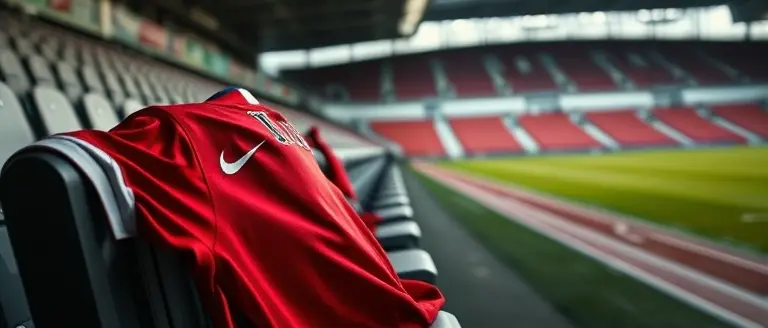
The confirmation that Lionel Messi will miss the July 25 match at Stade Saputo has fundamentally altered the tactical landscape for this high-stakes Inter Miami vs Montréal encounter. While fans may feel the immediate disappointment of a missing superstar, the professional reality for Inter Miami is a swift recalibration. Without their primary playmaker, the Herons must shift from a Messi-centric offensive scheme to a more disciplined, distributive attacking structure. This tactical pivot places significant pressure on the remaining midfield core to maintain possession and feed the forwards, ensuring that Miami does not lose its attacking edge against a desperate home side.
Tactical Repercussions and Defensive Gaps
For CF Montréal, the absence of the Argentine icon offers a tangible opportunity to disrupt the visiting side’s rhythm. Historically, teams that have succeeded against Miami focus on exploiting the space left behind by aggressive fullbacks. With Messi out, Miami’s transition defense becomes even more critical; they cannot afford lapses in concentration. The tactical implications for the match include:
- Midfield Redistribution: Inter Miami is expected to move toward a more compact 4-3-3, prioritizing verticality over the slow, methodical build-up often associated with their primary star.
- Montréal’s Defensive Test: Montréal’s backline, which has struggled throughout the 2026 season, must use this window to stay organized and exploit Miami’s occasionally vulnerable defensive transition.
- Post-World Cup Fatigue: Both squads are navigating a congested calendar, making player management a decisive factor in the final 20 minutes of the game.
The inter Miami – montréal clash is no longer just a spectacle of star power; it is a battle of depth and tactical discipline. If Montréal can capitalize on their home-field advantage and force Miami into uncomfortable long-ball situations, they could secure a vital result that moves them up the Eastern Conference table. For Miami, the match serves as a litmus test: proving they can operate as a cohesive unit regardless of the personnel on the pitch.
Tactical Preview: Inter Miami’s Offensive Powerhouse Without the GOAT
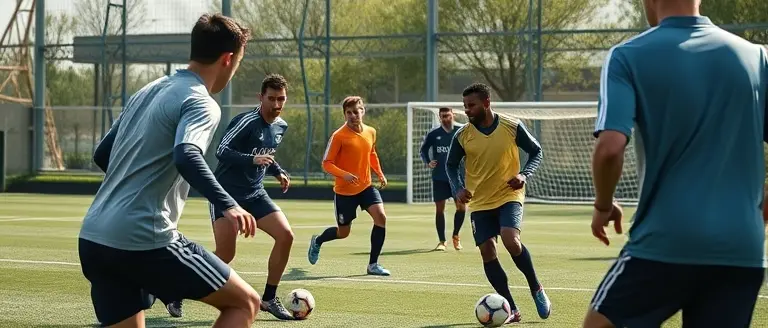
The absence of Lionel Messi for the Inter Miami vs Montréal clash forces a significant tactical evolution for the Herons. Without their primary playmaker, the offensive structure must shift from a vertical, transition-heavy style reliant on individual brilliance to a more collaborative, positional approach. Expect the coaching staff to emphasize ball circulation through the midfield, tasking remaining playmakers with redistributing the creative workload. Evidence suggests that when Messi is sidelined, Miami pivots to a more balanced 4-3-3, prioritizing wide-area overloads to exploit defensive gaps in the opposition’s structure.
Redistributing the Creative Workload
In the wake of Messi’s absence, the onus for shot creation falls heavily on the remaining core. Inter Miami’s success during this period will depend on their ability to maintain tempo and precision in the final third. Key tactical adjustments include:
- Increased Midfield Responsibility: The central trio will be expected to push higher up the pitch, facilitating quicker transitions and alleviating pressure on the defensive line.
- Rotational Movement: The forward line must utilize frequent off-the-ball movement to drag defenders out of position, creating space for surging midfielders.
- Exploiting Half-Spaces: With fewer static creative outlets, look for Miami to force play through the half-spaces, relying on overlapping fullbacks to provide width.
Against a defensively struggling Montréal side, Miami’s strategy will likely prioritize volume shooting from distance and high-pressing intensity to induce turnovers in dangerous areas. While the loss of a superstar is undeniable, this match presents an opportunity for the supporting cast to prove that their offensive dominance is systemic rather than purely individual. Maintaining this clinical efficiency will be critical to securing three points on the road at Stade Saputo.
The Defensive Dilemma: Can Montréal Capitalize on Miami’s Vulnerabilities?

While the narrative surrounding Inter Miami vs Montréal is currently dominated by Lionel Messi’s absence, the tactical reality at Stade Saputo presents a fascinating opportunity for the home side. CF Montréal enters this match with a well-documented struggle in defensive organization, often finding themselves caught out of position during transition play. However, Inter Miami’s high-possession style often leaves their backline exposed to quick counter-attacks. If Montréal intends to secure a result, they must capitalize on these structural gaps by committing to an aggressive high press, forcing errors from Miami’s central defenders before they can establish a rhythm.
Tactical Keys to the Match
To exploit the vulnerabilities in the Miami roster, Montréal must focus on specific transition triggers. By identifying and targeting the space vacated by Miami’s advanced fullbacks, the Montréal attack can generate high-quality scoring chances even against a squad of such high individual caliber. Key tactical priorities for Montréal include:
- Exploiting Transition Pockets: Utilizing rapid vertical progression as soon as the ball is recovered in the midfield, specifically targeting the channels between Miami’s center-backs and wing-backs.
- Targeting Defensive Liabilities: Applying sustained pressure on Miami’s defensive third, which has shown susceptibility to quick, diagonal balls played over the top.
- Pressing Triggers: Coordinating collective pressure when Miami’s holding midfielders drop deep to collect the ball, aiming to trap play along the touchline.
Ultimately, the match hinges on whether Montréal’s forward line can execute these transitions with precision. Even without Messi, Inter Miami retains enough technical quality in the final third to punish a porous defense. For Montréal, the strategy must be disciplined; they cannot afford to overcommit without securing their defensive shape, as Miami’s ability to circulate the ball remains dangerous regardless of the starting lineup. The defensive dilemma is clear: can Montréal balance their need for offensive production with the defensive solidity required to contain a star-studded, albeit altered, Miami attack? Success will depend on the midfield’s ability to disrupt the rhythm of the game and capitalize on the few defensive errors the visitors concede.
Strategic Keys to the Match: What to Watch for at Stade Saputo

With the confirmed absence of Lionel Messi, the Inter Miami vs Montréal clash shifts from a star-studded spectacle to a critical tactical battle for Eastern Conference positioning. Without their primary playmaker, Inter Miami must pivot toward a more vertical, transition-heavy style of play. Expect the visitors to rely on their secondary creative options to bypass a vulnerable Montréal backline. For the hosts, the challenge lies in maintaining defensive discipline; they must avoid leaving gaps in the half-spaces that Miami’s speedsters can exploit during counter-attacking phases.
Midfield Control and Set-Piece Dynamics
The battle in the center of the pitch will likely determine the tempo of the match. Montréal’s ability to disrupt the rhythm of the game depends on their capacity to win duals in the middle third. If they can force turnovers, they will find high-value opportunities against an Inter Miami defense that has shown susceptibility to quick vertical attacks. Key factors to watch include:
- Midfield Shielding: How well Montréal’s defensive midfielders screen the back four against Miami’s pressing intensity.
- Set-Piece Efficiency: With both teams looking to capitalize on dead-ball situations, service quality into the box will be a premium commodity given the potential for a physical, low-scoring affair.
- Depth-Chart Utilization: Given the 2026 post-World Cup fixture congestion, both managers will likely look to their benches early in the second half to inject energy and manage fatigue.
Tactical Projections and Game Flow
Evidence suggests that Montréal will attempt to bait the visitors into committing numbers forward before launching rapid counters. If Inter Miami struggles to find a rhythm without Messi, expect their technical staff to lean on a rigid defensive shape, prioritizing clean sheets over high-risk buildup play. Ultimately, the match will hinge on whether Montréal can finally exploit the defensive liabilities of the Miami squad while maintaining the focus required to withstand sustained pressure. Fans should anticipate a high-stakes chess match where tactical substitutions—rather than individual brilliance—decide the final outcome at Stade Saputo.
Mastering the Tactical Chess Match
As Inter Miami prepares to face Montréal at Stade Saputo, the absence of Lionel Messi serves as more than just a headline; it is a tactical reset. While casual observers fixate on the star power missing from the pitch, true students of the game understand that this match will be decided by structure, disciplined transition, and the ability of the supporting cast to exploit defensive vulnerabilities. The result will ultimately hinge on which coaching staff adapts their game plan more effectively to the reality of the post-World Cup congestion.
Just as these athletes must recalibrate their focus and sharpen their tactical awareness to compensate for their missing leader, you too need peak cognitive clarity to truly dissect the complex shifts expected on the field. To move beyond the surface-level noise and understand the chess match unfolding in real-time, you must be able to process rapid tactical developments with precision.
This is where The Brain Song becomes your essential edge. By enhancing your mental performance, it allows you to spot the nuances and defensive rotations that the average fan misses, effectively helping you think like a seasoned coach. Elevate your engagement with the sport and ensure your analytical depth matches the intensity of the pitch.
 Sharpen your tactical insight and stay ahead of the game with The Brain Song—your daily routine for peak mental performance.Upgrade My Tactical Focus Now!