
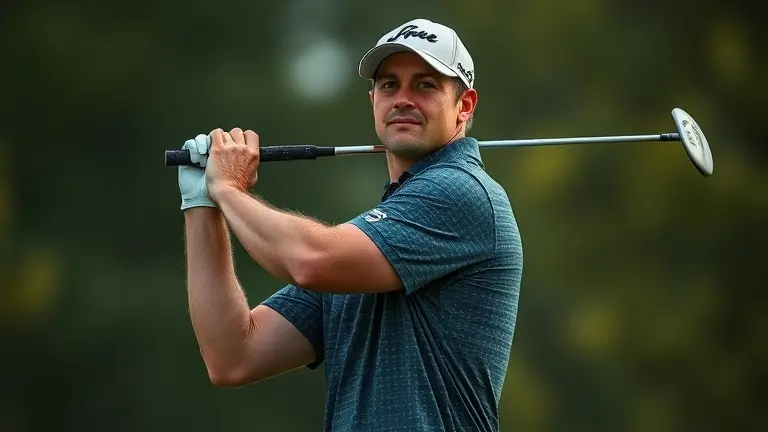
The arrival of world number one Scottie Scheffler at the 2026 3M Open brought a tidal wave of anticipation to TPC Twin Cities, transforming a secondary PGA Tour event into a high-stakes proving ground. Yet, as the tournament unfolded, the narrative shifted from coronation to confrontation. Following a shaky start that left him chasing the shadow of Michael Kim’s historic 59, fans and analysts alike are scrambling to understand why the game’s most consistent player struggled to find his rhythm on a course that rewards precision over raw power.
This isn’t just a story about missed fairways or misinterpreted greens; it is a masterclass in the immense cognitive load required to perform under the glare of a massive gallery. When a superstar faces a rough opening, the pressure to recover can create a feedback loop of frustration that complicates even the simplest mechanical adjustments. To truly understand Scheffler’s weekend at the 3M Open, we must look beyond the leaderboard and examine the psychological grit required to silence the noise and reset one’s internal state when the stakes are at their highest.
Scottie Scheffler at the 2026 3M Open: A High-Stakes Debut

The arrival of world No. 1 golfer Scottie Scheffler at the 2026 3M Open has undeniably shifted the center of gravity for the tournament held at TPC Twin Cities. His debut serves as a testament to the event’s growing prestige, drawing massive galleries and heightened media scrutiny. While Scheffler’s presence elevates the marketability of the event, his initial performance has become a focal point of intense discussion among analysts and fans alike. Following a difficult opening stretch, he finds himself trailing the leaders by seven shots, creating a compelling narrative of resilience and professional recovery.
The Contrast: Scheffler vs. The Record-Breakers
The buzz surrounding Scheffler is complicated by the spectacular performance of Michael Kim, who captured headlines by carding a historic 59, joining an elite, exclusive club in PGA Tour history. This juxtaposition highlights the unpredictable nature of TPC Twin Cities:
- The Pressure Factor: Expectations are magnified for top-ranked players, who often navigate high-traffic groups and intense spectator focus.
- Course Dynamics: The TPC Twin Cities layout rewards aggressive play, as evidenced by Kim’s sub-60 round, yet requires surgical precision that can punish even the world’s best if they are slightly off-mark.
- The “Superstar Effect”: Scheffler’s participation underscores a broader trend where non-signature events benefit from the attendance of elite players, creating a business-of-sports ripple effect that increases broadcast ratings and local engagement.
As the tournament progresses, the focus remains on Scheffler’s ability to adjust his swing mechanics and course strategy. Observers are closely tracking his recovery efforts, as his ability to grind through a challenging start remains a hallmark of his elite status. Whether he can close the seven-stroke gap depends on his capacity to align his approach with the nuances of the course, transforming this high-stakes debut into a statement of his enduring dominance.
The ‘Superstar Effect’: Why Scheffler’s Presence Changes the 3M Open
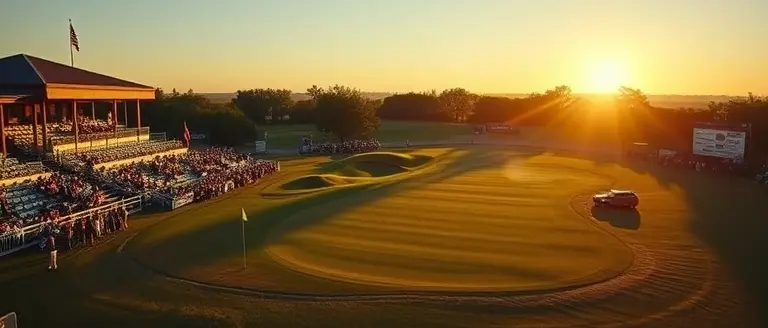
The arrival of Scottie Scheffler at the 3M Open in 2026 represents a significant shift in the competitive landscape of non-signature PGA Tour events. Historically, TPC Twin Cities has functioned as a testing ground for rising talent and mid-tier professionals; however, the inclusion of the world’s top-ranked golfer instantly elevates the tournament’s prestige. This “Superstar Effect” generates a measurable spike in media coverage, ticketing demand, and corporate sponsorship engagement, proving that the presence of an elite athlete can recontextualize the economic viability of a regional tournament within the broader golf ecosystem.
Marketability and Economic Impact
By committing to the 3M Open, Scheffler has drawn unprecedented attention to the Minnesota course. This influx of interest translates into several tangible benefits for tournament organizers:
- Broadcaster Visibility: Increased viewership numbers allow the PGA Tour to command higher advertising rates, creating a ripple effect that benefits the tournament’s overall revenue share.
- Sponsor Activation: Title sponsors gain increased leverage when a global icon competes, facilitating high-value brand partnerships that might otherwise be allocated to signature events.
- Regional Economic Growth: The influx of out-of-town golf fans chasing the chance to witness Scheffler live provides a tangible boost to the local Twin Cities hospitality and service sectors.
From a business-of-sports perspective, Scheffler’s decision to play TPC Twin Cities serves as a vital case study. While signature events often capture the headlines, the “Superstar Effect” demonstrates that elite player participation is the ultimate catalyst for sustaining regional stops on the PGA Tour. Even as spectators scrutinize his recovery efforts after a challenging start against Michael Kim’s historic 59, the mere narrative of a world-beater battling on the leaderboard ensures that the 3M Open remains a focal point of the American golf calendar.
Technical Breakdown: Scheffler’s Struggles at TPC Twin Cities

The 3M Open debut of Scottie Scheffler has provided a fascinating case study in how even the world’s most dominant golfer can face friction when adapting to specific course architecture. At TPC Twin Cities, the layout demands a departure from the aggressive, high-swing-speed dominance Scheffler typically displays on longer, more open tracks. The primary technical hurdle appears to be the course’s intricate integration of water hazards and firm, deceptive greens that reward precision over raw power. While Scheffler’s ball-striking remains elite, the risk-reward profiles of the Twin Cities setup seem to have disrupted his rhythm, particularly on approach shots where secondary hazards dictate a more conservative target line than he is accustomed to taking.
Navigating TPC Twin Cities: A Strategic Shift
Evidence suggests that the pin placements and aggressive bunkering at TPC Twin Cities have forced Scheffler into uncharacteristic defensive positions. Unlike signature events that often play to his strengths, this course requires acute awareness of the “drainage-ditch” style hazards that guard the greens. Key technical factors contributing to his early-round struggles include:
- Approach Proximity: Scheffler has struggled to stick his mid-irons close to tucked pins, a byproduct of the firm surface conditions that make controlling spin significantly more difficult than on softer layouts.
- Risk-Reward Management: The tactical necessity of playing away from water hazards on holes like the 18th has clearly hampered his ability to attack the flag, leading to longer, high-pressure par-saving putts.
- Adjustment to Pace: The speed of the TPC Twin Cities greens has occasionally caught him off-guard, causing a slight dip in his usually reliable putting metrics.
While he currently trails the historic pace set by Michael Kim, the recovery process for Scheffler will depend on his ability to dial in his distance control. Rather than relying on his standard aggressive lines, he must lean into the technical discipline that defined his rise to the number one ranking. Adapting to the granular nuances of this Minnesota course remains the ultimate test for the superstar as he attempts to close the seven-shot gap throughout the remainder of the tournament.
Weekend Recovery: A Tactical Path to Climbing the Leaderboard
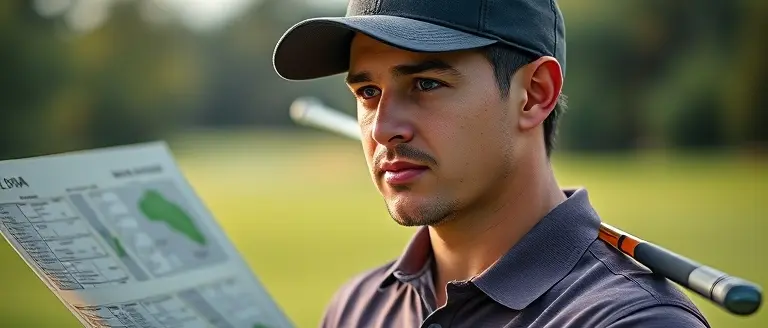
To mount a serious challenge during the remainder of the 3M Open, Scottie Scheffler must shift his tactical approach to better align with the specific demands of TPC Twin Cities. While trailing by seven shots after a difficult opening round, his historical track record proves that he possesses the mental fortitude necessary for a weekend surge. The primary obstacle remains the course’s risk-reward layout, which requires precise iron play to avoid the aggressive water hazards that have defined the tournament’s scoring volatility. Analysts suggest that for Scheffler to bridge the gap, he must prioritize high-percentage greens in regulation over attacking pins that invite unnecessary bogeys.
Strategic Adjustments for a Surge
Scheffler’s path to the top of the leaderboard depends on several key technical and strategic shifts:
- Putter Consistency: After a lukewarm start, finding his rhythm on the TPC Twin Cities greens is non-negotiable. He must convert short-to-medium range birdie looks to build the momentum needed to pressure the leaders.
- Shot Selection: Moving away from a “score-chasing” aggressive style, Scheffler needs to leverage his elite ball-striking to play the center of the greens. By minimizing the “big miss,” he can capitalize on the reachable par-5s, which are essential for narrowing the seven-shot deficit.
- Mental Resilience: Known for his even-keeled demeanor, Scheffler thrives under pressure. His ability to flush a poor round and reset his focus on the fundamentals—alignment and tempo—will be his greatest asset as he attempts to track down front-runners like Michael Kim.
Given his stature as the world’s top-ranked golfer, the Scottie Scheffler 3M Open debut is far from over. If he can tighten his approach play and avoid the costly errors that plagued his initial round, he remains a dangerous threat to climb the board. The field is playing aggressively, but a calculated, disciplined weekend could easily see Scheffler back in the conversation for the title as he tests his recovery mechanics against one of the PGA Tour’s most interesting venues.
The Neuroscience of the Championship Mind
Scottie Scheffler’s recovery journey at the 3M Open serves as a reminder that even the best in the world are not immune to the psychological toll of high-pressure competition. While mechanical swing adjustments are standard, the true separator between a good player and a legendary one is the ability to manage cognitive load and maintain clarity when a tournament start goes off the rails. Managing this level of focus is no longer just about repetition; it is about physiological regulation and brain performance.
This is where the intersection of sports and neuroscience becomes critical. For elite athletes and high-achievers looking to transcend the ‘mental fog’ of intense setbacks, advanced cognitive tools are redefining how we approach recovery. The Brain Song utilizes a specific auditory routine designed to stimulate BDNF production, providing the neural infrastructure necessary for the kind of cold, calculated focus that professional athletes rely on during high-stakes pressure situations.
By integrating this 12-minute protocol into your daily regimen, you aren’t just learning to concentrate; you are actively optimizing your brain’s ability to remain calm and sharp when the environment demands perfection. Stop leaving your mental resilience to chance and start training your focus like a pro.
 Discover how the 12-minute neuroscience routine used to sharpen elite performance can help you master your own focus.Yes, I Want to Sharpen My Focus Now!