

As of mid-April 2026, the United States is witnessing a meteorological phenomenon that feels more like a mid-winter lockout than a spring transition. Millions of residents, from the high-altitude peaks of the Sierra Nevada to the sprawling plains of the Midwest, have been caught off guard by a severe winter storm system. This isn’t just an isolated weather event; it represents a volatile shift in our seasonal climate, bringing snow accumulations of up to 24 inches to the West and staggering 60-degree temperature drops to the East in less than 48 hours.
This abrupt ‘whiplash’ effect has left travel infrastructure in disarray and homes scrambling to adjust to sub-freezing conditions. However, the most critical—and often overlooked—aspect of surviving these extreme fluctuations is the impact they have on your own physical resilience. While you prepare your home and vehicle, your body is simultaneously struggling to manage the strain of rapid cold-weather exposure, which frequently targets your respiratory and sinus pathways.
In this guide, we will break down the meteorological drivers behind this current spring instability and provide a comprehensive strategy for safeguarding your health and safety. Understanding how to navigate this environmental volatility is the key to maintaining your well-being when the calendar says spring, but the thermometer insists it is the dead of winter.
The April Surprise: Analyzing the Record-Breaking Late-Season Winter Storm

The mid-April 2026 landscape has been abruptly redefined by an aggressive winter storm system that is defying typical seasonal expectations across the United States. While April is traditionally characterized by the blossoming transition into spring, millions of Americans are currently grappling with a severe meteorological “whiplash” effect. This high-intensity system has manifested as a dual-threat event, split between mountainous high-altitude impacts and a rapid, large-scale thermal collapse across the heart of the country.
The Geography of the Mid-April Deep Freeze
The impacts of this weather event are split into two distinct, high-stakes operational theaters:
- The Sierra Nevada and Lake Tahoe Region: Mountainous areas, including Yosemite, are currently under active winter storm warnings. Meteorologists are tracking a potent combination of heavy precipitation—with forecasts of 10-24 inches of snow—and extreme, hurricane-force wind gusts reaching up to 75 mph. These conditions have created hazardous, near-zero visibility environments, forcing immediate travel restrictions and triggering closures across high-elevation transit corridors.
- The Midwest and Northeast Corridor: Simultaneously, a powerful cold front is sweeping eastward, responsible for a staggering 40-60 degree temperature plunge. Communities that enjoyed unseasonably warm, summer-like conditions only days prior are now facing sub-freezing temperatures, necessitating an urgent return to mid-winter heating and winter-weather preparedness protocols.
This volatility is not merely a localized anomaly; it represents a sharp, uncomfortable interruption to the standard spring transition. By forcing a sudden pivot from heat to heavy snow and frost, this system highlights the increasing atmospheric instability that can characterize late-season transitions. For travelers and residents caught in the path, the primary challenge remains navigating the physical dangers of these rapid environmental swings while accounting for the logistical disruptions to infrastructure that typically occurs when winter weather strikes outside of its expected seasonal window.
Understanding ‘Climate Whiplash’: Why Spring Is Getting Volatile

The recent winter storm activity gripping the United States is more than a standard seasonal anomaly; it is a textbook example of “Climate Whiplash.” This phenomenon describes the rapid, intense oscillation between record-breaking warmth and sudden, sub-freezing conditions. When regions transition from summer-like temperatures to deep-freeze winter states in under 48 hours—as seen recently in the Midwest and Northeast—the psychological and physical toll on infrastructure and agriculture is significant. This volatility is increasingly challenging established seasonal norms, leaving communities vulnerable to extreme weather events that occur well outside the traditional winter window.
The Meteorological Drivers of Volatility
At the heart of this spring instability are disruptions to the jet stream and the Arctic oscillation. Normally, a strong, stable polar vortex keeps frigid air locked in the high latitudes. However, when the jet stream becomes “wavy” or meanders significantly, it allows deep troughs of arctic air to plunge far south, colliding with warm, moist spring air masses. This high-contrast collision creates the perfect environment for intense, high-accumulation events, such as the 10-24 inches of snow currently forecast for the Sierra Nevada and Lake Tahoe mountain regions.
Several factors contribute to the increasing frequency of these spring extremes:
- Jet Stream Meandering: A weakened or distorted jet stream allows extreme temperature swings to persist longer than in previous decades.
- Atmospheric Blocking Patterns: High-pressure ridges can trap cold air, causing a “stalled” weather front that prolongs the duration of a winter storm.
- Rapid Moisture Transport: Warmer-than-average ocean temperatures can fuel these storms with higher moisture content, leading to the massive snowfall totals being reported in the Western U.S.
These events are not merely outliers; they reflect a shifting climate pattern where the transition seasons—spring and autumn—are becoming increasingly unstable. For travelers and residents, this means the traditional reliance on calendar-based seasonal expectations is no longer a safe strategy. Preparedness now requires monitoring short-term meteorological trends rather than historical seasonal averages.
Mountain Safety and Transit: Navigating Extreme Weather Windows
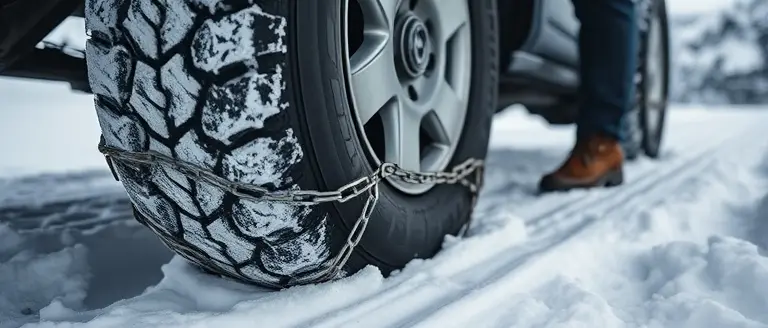
Navigating the high-altitude terrain of the Sierra Nevada during an active winter storm requires more than just standard caution; it demands a tactical approach to mobility. With meteorologists tracking extreme wind gusts reaching 75 mph and snowfall totals projected between 10 and 24 inches, mountain passes near Lake Tahoe and Yosemite can shift from passable to treacherous in minutes. These high-velocity gusts create dangerous whiteout conditions, significantly reducing visibility and increasing the risk of vehicle drift on icy, winding mountain roads. If you are currently traveling or planning a trip through these regions, prioritize real-time data from the National Weather Service (NWS) and local transit authorities over pre-planned schedules. If a Winter Storm Warning is in effect, the safest strategy is to delay all non-essential mountain travel until the active front passes.
Emergency Preparedness and Protocols
When caught in an unexpected weather shift, your vehicle acts as your primary shelter. To mitigate the risks associated with rapid temperature drops and intense snowfall, your emergency kit must be capable of sustaining passengers for an extended period.
- Essential Gear: Always carry tire chains (and ensure you know how to install them), a high-capacity portable power bank, wool blankets or sleeping bags, a shovel, and non-perishable snacks with high caloric density.
- Safety Protocols: If visibility drops, pull over safely away from the roadway, keep your exhaust pipe clear of snow to prevent carbon monoxide buildup, and intermittently run the engine to maintain heat while conserving fuel.
- Interpreting NWS Alerts: Distinguish between a “Watch”—which implies conditions are favorable for a winter storm—and a “Warning,” which dictates that hazardous conditions are imminent or occurring. A Warning signifies a high-risk window where travel is strongly discouraged.
By understanding that these late-season weather windows often bring “climate whiplash,” travelers can better anticipate the severity of sudden alpine storms. Always check specific mountain pass conditions via state transportation websites before departing, as road closures during these extreme events are dynamic and often occur with little notice.
Building Resilience: Preparing for Sudden Temperature Plunges

The recent climate whiplash experienced across the Midwest and Northeast serves as a stark reminder that spring stability is no longer guaranteed. When temperatures plummet by 40 to 60 degrees in less than 48 hours, the transition from summer-like warmth to sub-freezing conditions puts immense stress on both infrastructure and personal preparedness. Building seasonal resilience requires a proactive mindset, treating late-season winter storm threats as manageable risks rather than shocking anomalies. Homeowners should treat these late-April freezes with the same urgency as mid-winter events, specifically by safeguarding exposed plumbing and ensuring heating systems are serviced for sudden high-demand cycles.
Strategies for Home and Garden Protection
To mitigate the impact of these extreme temperature swings, residents should implement a multi-layered defense strategy:
- Protecting Infrastructure: Disconnect garden hoses and insulate outdoor spigots immediately when a deep freeze is forecasted. If temperatures are predicted to stay below freezing for an extended period, allow interior faucets to drip to prevent pipe bursts.
- Agricultural Defense: Protect sensitive spring blossoms and vegetable starts by covering them with frost cloths, burlap, or old sheets. Ensure the material reaches all the way to the ground to trap the heat radiating from the soil.
- Strategic Heating: Avoid the temptation to fully shut down heating units just because of a few warm days. Keep a backup supply of heating fuel or a portable, safe indoor heat source ready, and ensure your home’s weather-stripping is intact to retain warmth during the sudden cold surge.
- Supply Readiness: Even in April, maintain a “ready-to-go” kit that includes shelf-stable food, water, and emergency lighting. The unexpected severity of these late-season weather patterns often catches local logistics off-guard, making self-sufficiency essential for the first 72 hours of any major system.
By integrating these habits into your seasonal routine, you transform from a reactive victim of meteorological volatility into a resilient stakeholder in your local environment. Recognizing that these high-intensity events are becoming a regular feature of our shifting spring landscape is the first step in effective, long-term disaster mitigation.
Fortifying Your Personal Resilience Against Weather Volatility
As we have explored, the current climate landscape is characterized by unpredictable oscillation, making traditional expectations of seasonal weather obsolete. Whether you are navigating the high-stakes travel conditions of a mountain winter storm or simply dealing with the internal stress of rapid, 60-degree temperature drops, the reality is that your environment is constantly shifting. While protecting your home and vehicle is essential, there is one critical, often-overlooked factor in surviving this ‘climate whiplash’: the strength of your body’s own internal defense system.
Your respiratory system and sinuses are the first line of defense against the harsh, dry air and rapid temperature shifts that accompany these storms. When the climate changes in a heartbeat, your body needs more than just a jacket; it needs physiological support to remain balanced and resilient. ProDentim acts as your foundational health resilience tool, specifically designed to support the oral and sinus microbiome. By fortifying your internal defenses, you ensure that your body remains robust against the environmental stressors—such as cold, abrasive air—that frequently cause congestion and respiratory irritation during these unpredictable weather windows.
Don’t wait for the next cold front to compromise your comfort. Take control of your health preparedness today by integrating a tool that addresses the physiological impact of our changing climate. When you strengthen your microbiome, you aren’t just reacting to the weather; you are building the lasting resilience needed to thrive regardless of what the forecast holds.

Prepare your body for the next big temperature drop by optimizing your sinus and respiratory health with the proactive support of ProDentim.
Unlock My Results