
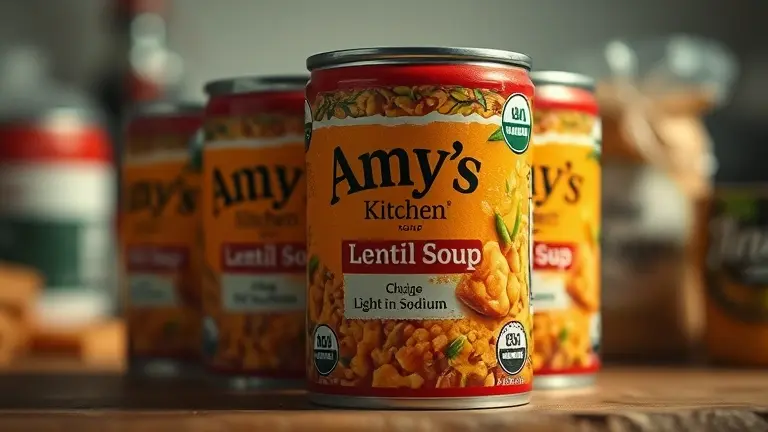
On July 24, 2026, Amy’s Kitchen initiated a voluntary recall of approximately 184,200 cans of its popular Organic ‘Light in Sodium’ Lentil Soup. This recall, affecting distribution across 28 U.S. states, stems from a manufacturing defect involving the can’s easy-open tab, which may compromise the product’s seal and lead to potential spoilage. For health-conscious families who rely on these staples, news of such a defect is understandably concerning, creating an urgent need for clarity and actionable steps to ensure pantry safety.
While this situation demands immediate attention, our goal is to help you cut through the alarmist headlines with practical, utility-driven guidance. Below, we provide a clear checklist to help you identify whether the cans in your home are part of the affected batch, along with direct instructions on how to handle potential returns or disposals. We are committed to helping you regain peace of mind by taking the right steps to secure your kitchen today.
Understanding the Amy’s Kitchen Organic Lentil Soup Recall
On July 24, 2026, Amy’s Kitchen initiated a voluntary recall of approximately 184,200 cans of their Organic Lentil Soup (Light in Sodium). This proactive measure was taken after internal quality assessments identified a manufacturing defect in the container’s easy-open tab. While the soup itself is produced to high standards, the structural integrity of the tab may be compromised, creating a potential opening that allows air or contaminants to enter. This defect significantly increases the risk of product spoilage, which could lead to illness if consumed.
The recall encompasses distribution across 28 U.S. states, reflecting the widespread availability of the product. Amy’s Kitchen emphasized that this is a voluntary recall, underscoring their commitment to public health and transparency regarding food safety. Consumers should be aware that the primary concern is not an inherent issue with the soup’s ingredients, but rather the failure of the packaging seal caused by the faulty metal tab.
Key Details of the Safety Alert
To ensure consumer safety, it is essential to understand the scope and nature of this event. The following points summarize the critical aspects of the current recall:
- Affected Product: Organic Lentil Soup, ‘Light in Sodium’ variety only.
- Total Scope: Roughly 184,200 individual units currently circulating or in pantry inventories.
- Root Cause: A mechanical manufacturing defect specifically localized to the easy-open tab mechanism.
- Distribution: Products were shipped to retailers across 28 states; shoppers in these regions should verify their pantry stock immediately.
Industry experts note that this incident is part of a larger, ongoing trend of supply chain quality control challenges affecting the canning industry. By identifying the issue and notifying the public promptly, Amy’s Kitchen aims to mitigate any risks before they result in consumer health incidents. If you possess cans of this product, checking your inventory against official manufacturer lot codes is the most effective way to determine if your specific units are impacted.
How to Identify Affected Cans: Check Your Pantry
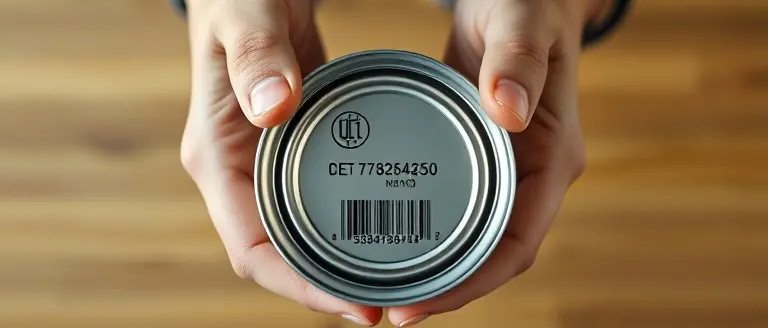
If you have recently purchased Amy’s Organic Lentil Soup (Light in Sodium), it is essential to inspect your pantry immediately to determine if your product is part of the 184,200-unit recall. Because the amy’s lentil soup recall is specifically linked to a manufacturing defect in the easy-open can tab, not all cans of this variety are affected. Following a systematic check will ensure you are not holding a product that may be susceptible to spoilage.
Steps to Verify Your Product
To identify if your soup is included in the affected batch, locate the base of the can where the manufacturer prints vital tracking information. Please follow these steps to verify your inventory:
- Locate the Bottom Panel: Turn the can upside down to reveal the stamped text. You will typically see a series of numbers and letters indicating the production lot code and the Best By date.
- Identify the Lot Code: Look for the alphanumeric string printed on the bottom rim. This code is the primary identifier used by Amy’s Kitchen and the FDA to track the 28-state distribution footprint.
- Check the UPC: Compare the Universal Product Code on the label against the official list provided on the Amy’s Kitchen recall portal. The UPC confirms the specific SKU affected by this manufacturing issue.
- Cross-Reference the Data: Visit the official Amy’s Kitchen website or the FDA’s Enforcement Reports page to match your specific lot code against the recall database.
Why Precision Matters
The defect concerns the structural integrity of the easy-open tab, which may fail to create a proper seal, leading to potential contamination or spoilage. If your code matches those listed on the official recall site, do not open or consume the product. Even if the soup appears visually normal, microscopic breaches in the seal can compromise safety. If you find a matching can, the safest course of action is to return it to the original point of purchase for a full refund or dispose of it safely, ensuring it is kept away from other food items to avoid cross-contamination.
Official Resources and Recall Verification

To verify if your pantry items are impacted by the current Amy’s lentil soup recall, consumers should rely exclusively on verified digital channels. The most reliable method to confirm your product’s status is through the official Amy’s Kitchen recall portal, which is updated in real-time as investigators process data regarding the 184,200 affected units. By visiting their dedicated safety website, you can cross-reference the lot codes printed on your specific cans against the manufacturer’s master list of compromised batches.
Accessing FDA and Manufacturer Databases
The U.S. Food and Drug Administration (FDA) also maintains a comprehensive database of all active food recalls. If you suspect your purchase is part of the 28-state distribution affected by the manufacturing defect, follow these steps to ensure you have the latest information:
- Visit the Official Portal: Navigate directly to the Amy’s Kitchen recall announcement page to view the specific product identifiers.
- Consult the FDA Enforcement Report: Search for the latest Food and Drink recall entries on the FDA website to see if additional batches have been added to the scope of the recall.
- Sign Up for Alerts: Most official portals allow you to register your email to receive direct notifications should the recall expand or if new safety guidelines are issued regarding the easy-open tab defect.
When using these tools, ensure you have your soup can on hand, as you will need the full alphanumeric string located on the bottom of the packaging to perform an accurate check. If your lot code is listed as part of the recall, do not attempt to consume the product, even if the packaging appears undamaged. Instead, record the lot number and follow the manufacturer’s specific instructions for return or disposal to ensure you are eligible for any available refunds or replacement programs offered by Amy’s Kitchen.
Safe Disposal and Return Procedures

If you have confirmed that your pantry contains cans subject to the Amy’s lentil soup recall, it is imperative that you take immediate action to ensure household safety. Even if the packaging appears visually pristine and there are no signs of exterior bloating or rust, the manufacturing defect in the easy-open tab may have compromised the vacuum seal, potentially leading to bacterial growth or spoilage that is not always detectable by smell or appearance. Do not, under any circumstances, attempt to consume the product or open the can to inspect the contents.
Steps for Proper Disposal and Refund
To manage the affected product effectively, follow these industry-standard safety guidelines:
- Do Not Consume: Keep the product sealed. Do not taste the soup or use it in any recipes, regardless of whether you intend to boil it, as heat may not neutralize certain toxins associated with spoilage.
- Return to Point of Purchase: Most retail establishments carrying Amy’s Kitchen products are honoring full refunds for recalled items. Bring the affected cans back to the store where you purchased them, ideally with your original receipt. Even without a receipt, many retailers are facilitating returns due to the public nature of this safety notification.
- Safe Disposal: If you are unable to return the product to the store, dispose of it in a sealed garbage bag. Ensure it is placed in an outdoor trash receptacle so that it is inaccessible to children or pets.
- Verify Official Channels: Before discarding the item, cross-reference your lot numbers with the official Amy’s Kitchen recall portal or the FDA database. This ensures you are not disposing of safe, unaffected inventory.
By adhering to these protocols, you mitigate the risk of foodborne illness. If you have already consumed the soup and are experiencing symptoms such as nausea, dizziness, or gastrointestinal distress, contact your healthcare provider immediately and retain the can for potential testing by local health authorities. Keeping a record of your purchase information, including store location and approximate date of purchase, will assist in the resolution process.
Take Control of Your Home Reliability
Addressing this recall is the necessary first step to safeguarding your household, but it highlights a broader truth about relying on mass-market supply chains. When we outsource our food preparation to industrial facilities, we often trade away transparency and quality control. While checking your pantry for recalled items is a vital precaution, many consumers are finding that the most effective way to ensure safety and long-term quality is by taking control of the items we use, store, and build for our homes ourselves.
This shift toward self-reliance is more than a reaction to manufacturing defects—it is an investment in your personal autonomy. By mastering your own environment, you bypass the risks associated with opaque, error-prone industrial production. Think of this as the ultimate ‘anti-recall’ strategy: gaining the skills to create your own reliable, high-quality home staples rather than waiting for the next factory report to tell you what is safe to consume.
We invite you to stop relying on mass-market production failures and start building your own reliable quality from the ground up with these 16,000 tested workshop plans. By developing your skills, you replace anxiety with certainty, ensuring that the items you use are built to the highest possible standards.
 Stop relying on mass-market production failures and start building your own reliable quality from the ground up with these 16,000 tested workshop plans.Yes, I Want To Build My Own Reliability!