

The April 19, 2026, clash between Everton vs Liverpool was far more than a standard Premier League fixture; it was a historic turning point for Merseyside football. As the first-ever derby hosted at the state-of-the-art Hill Dickinson Stadium, the atmosphere was thick with the weight of tradition colliding with a new architectural reality. The intensity on the pitch was palpable, echoing the legendary battles of the past while signaling a bold, modern chapter for both clubs.
For those watching, the narrative was defined by the drama of the 100th-minute winner from Virgil van Dijk, a moment that encapsulated the fine margins governing top-tier football. As the dust settles on this inaugural event, we must look beyond the final scoreline to understand the tactical evolution of the rivalry. The shift from the intimate, storied grounds of Goodison Park to the expansive dimensions of the Hill Dickinson Stadium has fundamentally changed how this derby is contested.
In this analysis, we peel back the layers of a match that pushed players to their physical and mental limits. Whether it was the breakdown of Everton’s low block or the tactical gravity exerted by Mohamed Salah in his final derby appearance, this match offers a masterclass in modern, high-stakes football strategy. We invite you to dive deep into the numbers and decisions that defined this historic night.
A Historic Night at Hill Dickinson: The First Merseyside Derby

The April 19, 2026, everton vs liverpool fixture transcended the typical tensions of a standard matchday, serving as the official christening of the Hill Dickinson Stadium. Moving the venue away from the storied, albeit aging, confines of Goodison Park marked a monumental shift in the geography of the Merseyside Derby. As the first-ever derby hosted at this state-of-the-art facility, the atmosphere was charged with a mixture of modern anticipation and the raw, historical weight of a century-old rivalry. Fans and pundits alike were eager to see if the new stadium’s acoustics and proximity to the pitch would replicate the famous “Goodison roar,” or if it would usher in an entirely new tactical era for the Toffees.
Transitioning from Tradition to Modernity
The transition to the Hill Dickinson Stadium represents more than just a change of address; it signifies the club’s attempt to bridge the gap between their storied history and the financial requirements of modern elite football. The match demonstrated exactly why this rivalry remains the most intense in the English top flight, with the following factors defining the inaugural event:
- Atmospheric Impact: The new architecture created an intense, contained acoustic environment that amplified the hostility between the two sets of supporters.
- The “First-Time” Narrative: Both teams played under the pressure of defining the legacy of the new turf, with Liverpool aiming to claim early dominance in the new venue.
- Tactical Shift: The wider pitch dimensions at the Hill Dickinson Stadium appeared to influence the late-game breakdown, as defensive stamina became the deciding factor in the 100th minute.
Ultimately, the 1-2 result solidified this specific match as a milestone in Premier League history. While Everton sought to defend their home turf with vigor, the late-game drama orchestrated by Virgil van Dijk served as a stark reminder that even in a brand-new stadium, the liverpool vs everton dynamic remains as unpredictable and emotionally volatile as ever. For those tracking the evolution of the Merseyside derby, this night will be remembered as the moment the old hostility successfully migrated to its new, high-tech home.
The 100th-Minute Miracle: Tactical Breakdown of Liverpool’s Victory
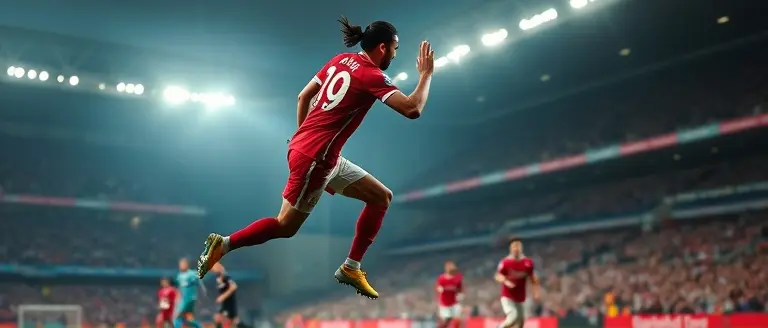
The inaugural Everton vs Liverpool clash at the Hill Dickinson Stadium will be remembered not just for the venue, but for the unprecedented drama that unfolded in the dying embers of the contest. As the match entered an extended ten minutes of stoppage time, Liverpool’s tactical persistence finally overwhelmed a resilient Everton backline. The 2-1 victory highlighted a stark contrast in late-game composure; while the Toffees sought to protect a draw by dropping into a deep, compact low block, the Reds utilized relentless vertical pressing to force a defensive lapse. The decisive goal from Virgil van Dijk was the culmination of a systematic overload on the right flank, dragging Everton’s center-backs out of position and creating the space necessary for a clinical aerial strike.
Anatomy of the Late-Game Collapse
The tactical breakdown suggests that Everton’s failure to manage the transition moments proved fatal. Despite a disciplined performance for the majority of the match, the defensive structure fractured under sustained pressure. Key factors leading to the 100th-minute breakthrough included:
- Defensive Fatigue: Everton’s inability to clear lines under the weight of Liverpool’s final-third bombardment allowed the visitors to maintain continuous possession inside the penalty area.
- Liverpool’s Persistent Overload: By pushing full-backs high and utilizing Mohamed Salah as a distraction, Liverpool forced Everton’s midfield to retreat too far, conceding the space that Van Dijk ultimately exploited.
- The “First-Time” Pressure: Playing at the new stadium added an emotional burden; the desperate desire to secure a result in the maiden derby likely caused a momentary lapse in communication during the final set-piece sequence.
This Liverpool vs Everton result serves as a masterclass in why elite teams prioritize high-intensity conditioning until the final whistle. While the Toffees played with tactical discipline for ninety minutes, the late-game surge by the visitors exposed the fragility of a purely defensive strategy against top-tier offensive rotations. As analysts look back at this fixture, the failure to contain Van Dijk during the final corner will remain the primary talking point regarding Everton’s defensive shortcomings in this historic debut.
Mohamed Salah’s Final Derby: A Legacy of Impact
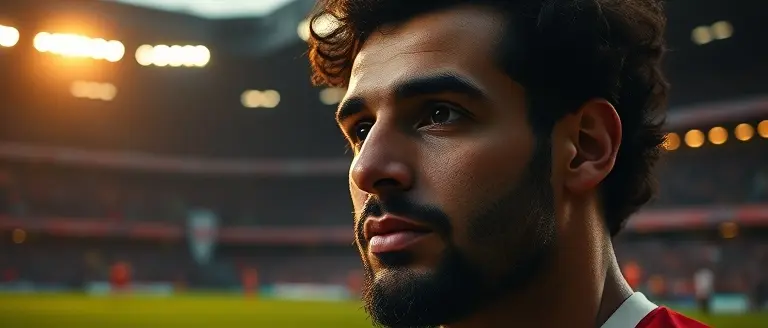
The April 19, 2026, Everton vs Liverpool clash at the Hill Dickinson Stadium served as a poignant curtain call for Mohamed Salah, marking his final appearance in the storied Merseyside Derby. For years, the Egyptian forward has been the primary architect of Liverpool’s attacking dominance against their local rivals. His presence in this fixture has been more than statistical; it has been psychological, forcing Everton managers—from the days of Moyes and his successors to the present—to construct entire defensive game plans specifically designed to contain his pace, vision, and clinical finishing. Even in a match characterized by late-game heroics from Virgil van Dijk, Salah’s role as the focal point of the attack remained undeniable, providing the gravity that drew defenders away and created the space for Liverpool’s eventual 2-1 victory.
A Tactical Void Following Salah’s Departure
The departure of Salah presents a significant challenge for Liverpool’s future tactical setups. Historically, the liverpool vs everton dynamic has relied on Salah’s ability to punish high defensive lines or dismantle low blocks with individual brilliance. As the club transitions into a post-Salah era, analysts are already questioning how the team will replicate his output in high-pressure games. His legacy in the derby is defined by:
- Consistent Threat: A relentless ability to find the back of the net regardless of the venue, including his impact at the historic Goodison Park and his final performance at the new Hill Dickinson Stadium.
- Tactical Gravity: His tendency to occupy multiple defenders, which has been a staple of Liverpool’s success in recent years.
- Big Game Composure: Maintaining focus during the intense emotional volatility inherent in the Merseyside Derby.
Without Salah’s specific profile, future iterations of this fixture will likely require a shift toward a more collective, system-based attacking approach. While the everton defense often struggled to neutralize his movement, they will now have to prepare for a more fluid, potentially less predictable Liverpool forward line. The void left by his exit will change the equilibrium of this historic rivalry, ending a chapter that solidified his status as one of the most impactful players to ever participate in this cross-town spectacle. Moving forward, the everton vs liverpool prediction models will need to be recalibrated as the Reds look to fill the shoes of their talismanic winger.
Premier League Implications and the New Era of the Rivalry
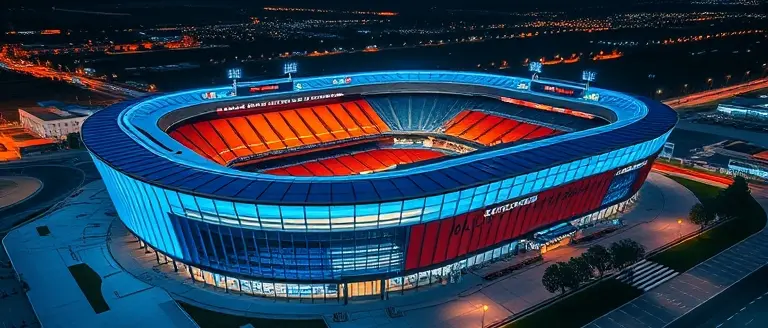
The dramatic 1-2 result in this Everton vs Liverpool clash has profound consequences for the Premier League table, further tightening the pressure as the season enters its final stretch. For Liverpool, the victory was more than just local bragging rights; it solidified their standing in the European qualification race and maintained their relentless momentum. Conversely, for the Toffees, the sting of a 100th-minute winner from Virgil van Dijk highlights the defensive fragility that has hampered their campaign. While many pre-match discussions invoked the tactical legacies of figures like Moyes, this fixture served as a definitive turning point, moving beyond historical nostalgia and into the cold reality of the modern table standings. The result underscores a shifting dynamic where late-game resilience is becoming the primary separator between top-four contenders and mid-table sides.
The Hill Dickinson Stadium Effect
The inaugural Merseyside derby at the Hill Dickinson Stadium marks the start of a “new era” for the city’s footballing identity. The atmosphere, distinct from the claustrophobic history of Goodison Park, presents a unique challenge for both sets of players:
- Psychological Shift: The move to a state-of-the-art facility recalibrates the “home-field advantage” dynamic. Everton must now build a new fortress identity to replace the historic aura of their former ground.
- Tactical Adaptation: The increased pitch dimensions and modern stadium layout appear to favor high-tempo, technical play, which played directly into the hands of the visiting side during this Liverpool vs Everton encounter.
- The Legacy Transition: Moving away from the shadows of Goodison allows for a fresh narrative. However, as evidenced by this match, the rivalry remains as fierce as ever, ensuring that even in a new setting, the intensity of the fixture remains unchanged.
As fans look forward, the focus shifts toward how these clubs will utilize this venue to project their long-term ambitions. While the Everton vs Liverpool prediction models often struggle to account for the emotional intensity of such a derby, this game proved that the “new era” will be defined by endurance and the ability to perform under the immense pressure of a changing stadium landscape.
Mastering the Analytical Game
The Merseyside Derby at Hill Dickinson proved that elite success, much like the 100th-minute winner from Van Dijk, hinges on split-second mental clarity. When the pressure peaks and the tactical landscape shifts, it is the ability to remain sharp and process complex patterns under fatigue that separates the observers from the true analysts. Just as the Liverpool players required unwavering focus to execute that final, match-winning play, you require that same level of cognitive acuity to dissect these tactical breakdowns effectively.
Don’t let mental fatigue cloud your ability to interpret the intricacies of the new stadium’s tactical demands. By treating your own game-day research with the same intensity as the professionals on the pitch, you transform from a passive fan into a sharp, insightful analyst. This is where The Brain Song becomes your essential cognitive toolkit, designed to help you maintain laser-like focus while parsing through complex sports data and intricate team patterns.
Experience the performance-enhancing auditory stimulation that allows you to dive deep into match-day analysis without losing your edge. Whether you are re-evaluating the tactical shifts at the new Hill Dickinson Stadium or predicting the future of the Premier League table, sharpen your mental agility and unlock your full potential as a serious student of the game.

Unlock your analytical potential and sharpen your tactical insight; try the 12-minute brain-boost routine before your next match-day deep dive.