

In July 2026, a wave of anxiety swept across the Howard University community as hundreds of incoming freshmen discovered they had been unexpectedly unenrolled just days before the fall semester. For many, this notification was not merely a bureaucratic error, but a sudden collapse of years of academic planning and personal sacrifice. At the heart of this crisis lies a volatile collision between pending financial aid disbursements and inflexible university payment deadlines, leaving families trapped in a cycle of uncertainty, frustration, and mounting panic as they attempt to reconcile missing funds with an institution demanding immediate action.
The stress of facing institutional displacement is immense, often leading to a debilitating mental fog that makes it nearly impossible to navigate complex appeal channels. This article serves as a guide for affected students and families, cutting through the noise to provide a clear roadmap for administrative resolution. Beyond providing actionable steps to escalate your case and document essential communications, we also address how to maintain the mental stamina required to survive this high-pressure ordeal and ensure your voice is heard above the confusion of a broken system.
Understanding the Howard University Unenrollment Situation

In July 2026, a significant administrative crisis emerged regarding Howard unenrolled students, leaving hundreds of incoming freshmen in a state of academic uncertainty just weeks before the fall semester. The conflict centers on a critical disconnect between the university’s rigid payment deadlines and persistent delays in the processing of financial aid and external scholarships. While families report that these funds remain caught in bureaucratic pipelines beyond their control, the institution maintains that its payment expectations were communicated clearly over the preceding months. This administrative standoff has transformed into a public discourse on transparency, with affected students arguing that they are being penalized for systemic processing failures rather than a lack of financial intent.
The scope of the impact is widespread, drawing attention from major news outlets like NBC4 Washington and FOX 5 DC. The narrative driven by students on social media suggests a pattern of impersonal communication that contrasts sharply with the university’s stated commitment to student support. Key points of friction in this crisis include:
- Communication Gaps: Students claim they received unenrollment notices with minimal warning, leaving little room for appeals.
- Administrative Bottlenecks: Many families have provided evidence of confirmed, yet pending, scholarship distributions, highlighting a lack of synchronization between financial aid departments and billing offices.
- Public Accountability: The shift from private grievances to public discourse reflects a growing demand for the university to account for its rigid enforcement policies in the face of widespread institutional delays.
While Howard University asserts that it has adhered to established financial protocols, the sheer volume of impacted incoming freshmen suggests that this is not merely an isolated oversight. The situation underscores a broader structural vulnerability in higher education financial aid systems, particularly at institutions managing high enrollment demand. For the affected students, the primary concern remains the potential threat to their academic trajectory, as they navigate an appeals process that many feel is neither empathetic nor equipped to handle the scale of these bureaucratic delays.
Actionable Steps for Students Facing Unenrollment

If you are among the Howard University incoming freshmen who have been impacted by sudden unenrollment, taking immediate and documented action is critical to protecting your academic status. The situation involving howard unenrolled students often stems from systemic delays in financial aid disbursement, but failing to act officially can result in the permanent loss of your seat. First, maintain a meticulous paper trail. You must save all correspondence, including emails, screenshots of portal status updates, and logs of phone calls, including the names of representatives and time stamps. If your aid is pending due to processing backlogs, request a formal “Financial Aid Deferment” or an extension on your payment deadline in writing, specifically citing the evidence of your pending funds.
Escalating Your Appeal
When standard administrative channels fail to provide a resolution, you must elevate your request. Do not rely solely on frontline support; escalate your case to the Financial Aid Office leadership or the Office of the Registrar. If the school remains unresponsive, consider these steps:
- File a Formal Appeal: Submit a written appeal for reinstatement clearly stating that the unenrollment resulted from processing delays rather than a failure to secure funds.
- Contact the Student Ombudsman: The student ombudsman acts as a neutral third party to mediate disputes. They are specifically tasked with helping students navigate complex bureaucratic hurdles when standard policies seem unfairly applied.
- Request a Tuition Deferral Agreement: Ask for a written agreement that pauses your unenrollment status while the financial aid office validates your documentation.
- Engage External Support: If you have exhausted internal avenues, contact the Department of Education’s Federal Student Aid (FSA) Ombudsman Group to report systemic issues regarding your aid processing.
Persistence is vital. In instances of administrative failure, universities often have “administrative overrides” available to handle unique cases of financial aid delays. Ensure all communications are respectful but firm, consistently emphasizing that your goal is to secure your enrollment while the university resolves the outstanding financial documentation. Keep copies of everything, as this documentation serves as your primary defense should you need to petition the Dean or higher university administration for a policy exception.
Navigating Financial Aid Delays: Tips for Advocacy

When faced with the abrupt reality of being among the howard unenrolled students, taking immediate, systematic action is critical to protecting your academic standing. The situation regarding pending scholarship funds versus university payment deadlines requires a shift from passive waiting to active, documented advocacy. To bridge the gap between administrative bottlenecks and your enrollment status, maintain a rigorous paper trail of every interaction. This includes saving all emails, noting the names and titles of representatives spoken to, and keeping a timestamped log of phone calls. Documentation is your most powerful tool if a formal appeal becomes necessary, as it proves that you proactively engaged with the financial aid office despite processing delays.
Strategies for Effective Communication
To escalate your case effectively, move beyond standard customer support channels by employing these targeted strategies:
- Formalize Correspondence: Always communicate via email rather than phone to ensure there is a permanent, date-stamped record of your request for reinstatement and the status of your aid.
- Leverage External Scholarship Providers: If your aid is coming from an outside organization, request a “proof of payment” or “verification of pending funds” letter. Provide this documentation directly to the university’s financial aid office to demonstrate that funding is secured, even if it has not yet hit the student account.
- Utilize Internal Advocacy Resources: Contact the Office of the Ombudsman or the Dean of Students. These offices often serve as neutral mediators who can help identify systemic administrative failures or expedite the internal review of your file.
- Request a Tuition Deferment: Explicitly ask the Bursar’s office in writing for a temporary hold on your account status based on the pending aid. Reference the specific scholarship or grant amounts you are expecting to show that your account is “backed” by confirmed resources.
By remaining professional and persistent, you increase the likelihood of resolving these bureaucratic hurdles. Remember that while the university sets the payment deadlines, you have the right to request a formal review of your financial aid packaging when external delays impact your ability to meet those requirements. Providing clear, verifiable evidence of pending funds is often the turning point in reversing an involuntary unenrollment notice.
The Structural Challenges of US Higher Education Financing
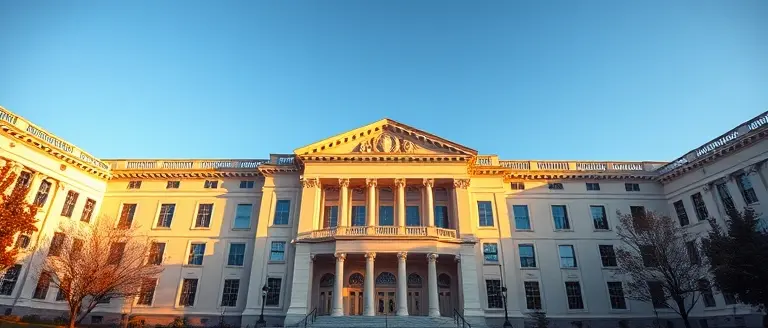
The recent crisis regarding Howard unenrolled students is not an isolated administrative anomaly; rather, it reflects deep-seated systemic vulnerabilities within the United States higher education financial aid ecosystem. Across the nation, universities face immense pressure to balance burgeoning enrollment numbers with increasingly complex, automated financial disbursement systems. The primary driver of these bottlenecks often lies in the reliance on legacy software infrastructure that struggles to integrate with real-time federal data, such as the FAFSA (Free Application for Federal Student Aid) processing updates. When federal disbursement schedules misalign with institutional payment deadlines, students are frequently caught in the crossfire of bureaucratic friction.
Drivers of Administrative Bottlenecks
These systemic hurdles are exacerbated by several key factors that impact students nationally:
- Integration Failures: Many institutions utilize disparate platforms for admissions, registrar services, and financial aid. A lack of synchronization often results in automated systems triggering “unenrolled” status for students whose aid is merely delayed rather than denied.
- Staffing Shortages: Higher education financial aid offices are experiencing significant turnover, leading to a reduced capacity to manually override errors or provide personalized guidance during peak periods like July and August.
- FAFSA Instability: National delays in the processing of federal aid packages have shifted the burden onto schools to verify and apply funds under extreme time constraints, turning what should be a routine administrative task into a high-stakes crisis.
Ultimately, the plight of these students highlights a broader failure in the higher education financial aid process to prioritize agility and transparency. When institutions maintain rigid, automated enforcement of payment deadlines without accounting for documented delays in federal fund dispersion, the resulting “systemic failure” disproportionately harms low-income and first-generation students who rely most heavily on institutional and federal support. Addressing these challenges requires not only modernized infrastructure but also a shift toward student-centered policies that prioritize human intervention before finalizing the removal of a student from their academic path.
Maintaining Your Mental Edge During the Appeals Process
Navigating the complex bureaucracy of financial aid disputes is more than just a logistical hurdle; it is a profound test of endurance. While you work diligently to document your communications and escalate your appeals, it is easy to succumb to the overwhelming mental exhaustion that defines this crisis. Remember that your persistence is your most valuable asset, and maintaining your clarity of mind is essential to ensuring your case is presented effectively to university officials.
Dealing with institutional bureaucracy is not just a financial challenge; it is a significant source of mental exhaustion that can hinder your ability to advocate for yourself effectively. This is where The Brain Song becomes an essential partner in your journey toward reinstatement. By clearing the persistent mental fog caused by stress, this tool provides the cognitive resilience required to stay sharp, focused, and calm during high-stakes negotiations and critical administrative deadlines.
As you continue to fight for your place at Howard University, do not overlook the importance of your own well-being. By integrating a science-based approach to cognitive wellness, you ensure that you are operating at your peak capacity when it matters most. Take control of your mental state today and keep your academic future within reach.
 Regain your mental clarity and focus while you work on your reinstatement; discover how to optimize your cognitive state here.Transform My Mental Focus Today!