
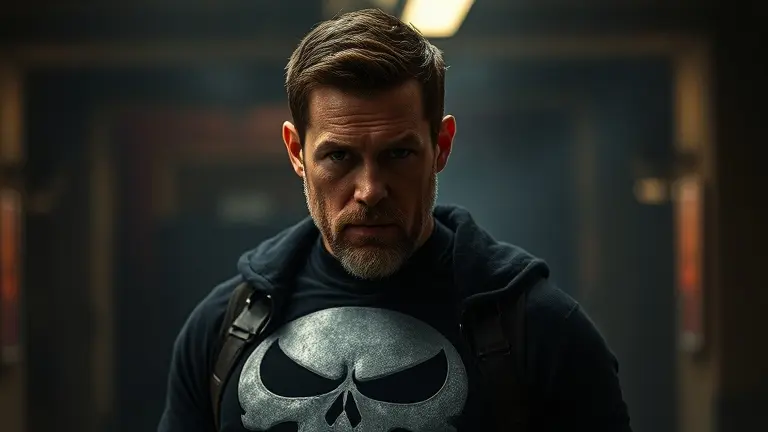
The streets of the Marvel Cinematic Universe are about to get a whole lot darker. With Jon Bernthal confirmed to reprise his iconic role as Frank Castle in the upcoming ‘Spider-Man: Brand New Day,’ fans are caught in a whirlwind of excitement and trepidation. Recent interviews have seen Bernthal speak with refreshing, unfiltered candor regarding the monumental challenge of transplanting the Punisher’s lethal, R-rated essence into the traditionally mainstream-friendly MCU sandbox. It is a creative tightrope walk that promises to redefine the boundaries of Marvel’s storytelling.
This isn’t just about another hero appearing on screen; it is a fundamental clash of philosophies. As the discourse heats up, we are left to wonder: can the gritty, uncompromising realism that made Netflix’s The Punisher a cult phenomenon survive within the sprawling, polished aesthetic of the current MCU? To unpack these narrative tectonic shifts, we must look beyond the breaking headlines and dive deep into the psychology of character integrity and the evolving maturity of the superhero genre itself.
The Tonal Tightrope: Jon Bernthal’s Return to the Punisher and the MCU Dilemma
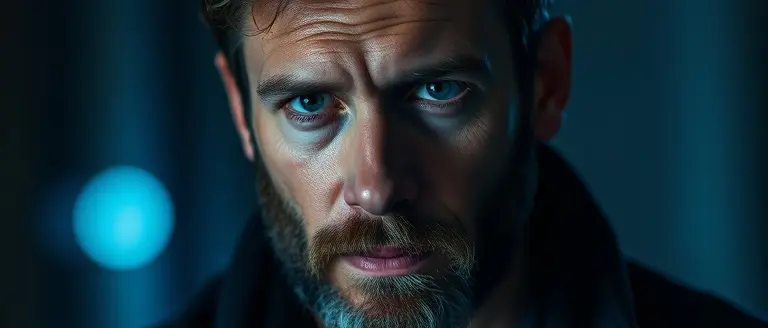
The anticipation surrounding Jon Bernthal and his return as Frank Castle in the upcoming MCU project Spider-Man: Brand New Day has reached a fever pitch, yet it brings with it a complex creative challenge. In recent press engagements, including candid discussions with outlets like Polygon, Bernthal has openly grappled with the inherent friction between his character’s ultra-violent, R-rated history and the broader, mainstream-friendly aesthetic of the Marvel Cinematic Universe. For many fans, the Punisher represents a grim, grounded exploration of grief and vengeance that functions best without the sanitization often required for a PG-13 rating. Bernthal’s own admission—that he knows fans will likely have issues with how this iteration is handled—highlights a critical anxiety: can the soul of the character survive in a more restrictive environment?
Can Frank Castle Thrive Outside the Shadows?
The core conflict lies in whether the MCU can accommodate the Punisher’s signature brutality without undermining the project’s rating. Historically, Bernthal’s portrayal was defined by visceral, unfiltered consequences; moving that energy into a universe defined by quips and cosmic stakes presents a massive tonal risk. Addressing this transition, industry experts are noting several key factors that will dictate success:
- Tonal Compromise: Can the show runners maintain the character’s core lethality while adhering to corporate mandates for broader accessibility?
- Narrative Integrity: Does stripping away the extreme violence dilute the cautionary tale that Frank Castle embodies, or does it force a more psychological, character-driven approach?
- Fan Expectations: There is a palpable tension between “hardcore” viewers who demand authenticity and the MCU’s reliance on a standardized brand image.
Ultimately, Bernthal’s return serves as a litmus test for the future of the MCU. If the production can successfully bridge the gap between gritty realism and the serialized superhero format, it may signal a maturation for the franchise. However, if the transition feels hollow, it risks alienating the dedicated fanbase that fell in love with his performance in the original Netflix series. Whether this iteration succeeds or falters, Bernthal’s willingness to address these questions head-on suggests that the conversation regarding artistic integrity versus mass-market appeal is far from over.
The Punisher’s Legacy: From Dark Comics to Screen Intensity
The character of Frank Castle, better known as The Punisher, has long served as a grim antithesis to the traditional comic book archetype. Originating from the pages of The Amazing Spider-Man in the 1970s, Castle was initially conceived as a misguided antagonist, but he quickly evolved into an anti-hero defined by his lethal, no-compromise war on crime. Unlike the moral high ground occupied by the Avengers or the earnest heroism of Spider-Man, The Punisher operates in a moral gray zone where justice is synonymous with execution. This fundamental difference in philosophy is why the character has historically occupied the “R-rated” space in media; his narratives rely on visceral, grounded violence that highlights the failure of the legal system, rather than the triumph of super-powered altruism.
The Clash of Ideologies: Gritty Vigilantism vs. MCU Heroics
The transition of such a character into the Marvel Cinematic Universe (MCU) creates a significant creative tension. Integrating a lethal vigilante into a franchise built on lighthearted ensemble dynamics and mainstream accessibility is not merely a logistical hurdle—it is a thematic challenge. The core reasons this transition remains contentious for fans include:
- Lethality vs. Restraint: While characters like Captain America or Iron Man prioritize containment and civilian safety, Frank Castle focuses exclusively on the total elimination of threats.
- The Tone Gap: The Netflix-era series, which defined the modern perception of Jon Bernthal in the role, utilized a bleak, noir-inspired visual language that contrasts sharply with the vibrant, interconnected aesthetic of the current MCU projects.
- Narrative Stakes: The Punisher’s story is traditionally one of trauma and irreversible consequences, which can feel jarring when juxtaposed with the “big screen” blockbuster spectacle seen in recent Spider-Man features.
As Bernthal prepares to reprise his role in Spider-Man: Brand New Day, the conversation surrounding his return is defined by this legacy. Fans are rightfully concerned that the “softening” of Frank Castle’s edges to fit the broader MCU mold may strip away the very element that made the character resonate: his uncompromising, uncompromising nature. By acknowledging that audiences may struggle with this tonal shift, Bernthal highlights the inherent difficulty of placing a character born from dark, R-rated storytelling into an environment where institutional heroism is the standard.
Fan Discourse and the ‘MCU-ification’ Debate

The return of Jon Bernthal as Frank Castle in the upcoming Spider-Man: Brand New Day has ignited a firestorm of debate across social media and digital forums. At the heart of this discourse is the “MCU-ification” concern—a fear among long-time fans that the transition of The Punisher from the gritty, R-rated landscape of Netflix to the broader, family-friendly mandates of the Marvel Cinematic Universe will dilute the character’s raw intensity. Bernthal himself has openly acknowledged these concerns, admitting in recent interviews that he shares the audience’s skepticism regarding how an unapologetically violent vigilante can authentically exist within a traditional PG-13 superhero framework.
The Conflict of Character Integrity
The primary tension stems from what fans perceive as the “sanitization” of Frank Castle. Supporters of the original Netflix series argue that the essence of The Punisher lies in his uncompromising brutality and the moral ambiguity of his war on crime. The community consensus highlights several key areas of friction:
- Tonal Mismatch: Fans fear that forced humor or “Disney-fied” dialogue will undermine the somber, psychological trauma that defines Bernthal’s portrayal.
- Violence Constraints: There is significant apprehension that the action choreography will be restricted by cinematic ratings, potentially stripping away the visceral combat style that became a hallmark of the character.
- The “Softening” Effect: Enthusiasts worry that integrating Castle into an ensemble project like Brand New Day may force the character to compromise his lethal methodology to fit within a larger heroic narrative.
Ultimately, the discourse reflects a deep-seated investment in the actor’s performance. Audiences are not merely criticizing the corporate shift; they are protective of the grounded, deeply human iteration of the character that Jon Bernthal perfected. While some fans remain optimistic that the MCU can adapt its format to accommodate darker narratives, others feel that if the character is forced to pull his punches, the project risks alienating the very audience that made his previous tenure so culturally significant.
Bernthal vs. The Studio: Performance Expectations vs. Creative Constraints
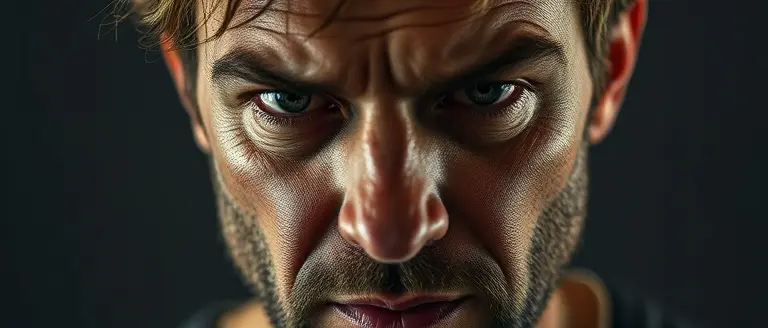
The return of Jon Bernthal as Frank Castle in Spider-Man: Brand New Day presents a fascinating case study in creative friction. During his tenure on the original Netflix series, Bernthal defined the character through a visceral, R-rated intensity that relied heavily on brutal choreography and themes of psychological trauma. This iteration of The Punisher thrived on a sense of realism that pushed the boundaries of the superhero genre. Now, as the actor transitions into the broader Marvel Cinematic Universe (MCU), audiences are left wondering if his signature performance—characterized by grunts, raw anger, and methodical violence—can survive the transition into a more sanitized, PG-13 or soft-TV-MA framework.
The Challenge of Tonal Synthesis
Bernthal’s recent comments acknowledge the inherent difficulty in blending a character who exists in the shadows of moral ambiguity with the bright, interconnected narrative tapestry of the MCU. For many fans, the concern is that the studio may “soften” the character’s edges to maintain mass-market appeal. When comparing his past work to current expectations, several factors complicate this evolution:
- Choreography Constraints: Netflix’s action sequences were defined by lingering brutality; MCU projects often utilize faster-paced, cleaner combat styles to meet aesthetic standards.
- Narrative Stakes: The Punisher is a character defined by lethality. If the story demands that Frank Castle hold back his signature intensity, his core identity as an unstoppable force is fundamentally threatened.
- Performance Nuance: Bernthal has built his reputation on “method-adjacent” intensity. Whether he can convey the same level of menace without the visual crutch of graphic violence remains the primary point of contention for his fanbase.
Evidence suggests that Bernthal is fully aware of the friction this integration causes. By openly admitting that viewers will likely have “an issue” with how the character’s tone is handled, he is effectively managing expectations. The success of Brand New Day hinges on whether the studio allows for a “compromise of character” or if they are willing to push the MCU’s mature content boundaries further than previously attempted. Ultimately, the tension between Bernthal’s uncompromising performance style and the studio’s need for narrative cohesion will determine whether this iteration of Frank Castle remains a faithful adaptation or a sanitized shadow of the original.
Decoding the MCU’s Gritty Future
The return of Jon Bernthal as Frank Castle in ‘Spider-Man: Brand New Day’ represents a watershed moment for the Marvel Cinematic Universe. As we have explored, the tension between the Punisher’s inherently violent, R-rated DNA and the polished, mainstream expectations of the MCU isn’t just a creative hurdle—it is a barometer for how much mature storytelling this cinematic juggernaut is willing to embrace.
Much like the intense preparation required to navigate the complex, R-rated psychology of The Punisher, our ability to analyze these subtle, high-stakes shifts in the MCU’s creative direction depends on our own mental sharpness and cognitive endurance. To fully grasp the implications of Bernthal’s return, you need to cut through the noise and maintain peak analytical performance.
Elevate your cognitive clarity and sharpen your focus for deep-dive analysis with The Brain Song, an auditory tool designed to help you process dense narrative layers and stay sharp while consuming long-form entertainment. Whether you are dissecting cinematic evolution or complex character arcs, our 12-minute daily audio routine ensures you never miss a detail.
 Ready to sharpen your focus for the deep-dive? Elevate your cognitive clarity with The Brain Song’s 12-minute daily audio routine.Yes, I Want This Now!