
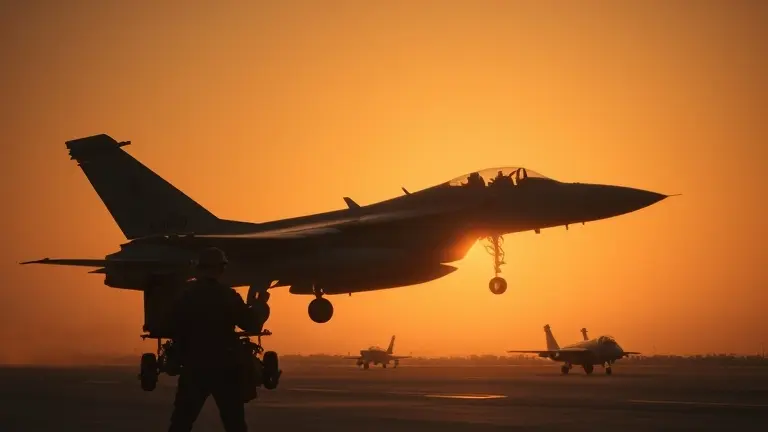
Reports emerging in late July 2026 regarding an alleged strike on the King Faisal Air Base have triggered a firestorm of speculation across international intelligence communities and social media platforms. As claims circulate regarding incidents involving the IRGC and potential casualties among U.S. troops in Jordan, the global information space has become heavily saturated with conflicting narratives, unverified leaks, and high-stakes propaganda. For the average observer, separating fact from military disinformation has never been more difficult or more critical.
Currently, major international wires have yet to provide definitive, verified details confirming the specifics of these alleged strikes. This period of state of ambiguity serves as a dangerous breeding ground for rumor. By synthesizing the available data and distinguishing confirmed military facts from evolving geopolitical speculation, we aim to provide a clear, objective assessment of the situation. Maintaining a sharp, objective perspective is essential as we monitor official updates from the Department of Defense regarding this unfolding security matter.
Understanding Reports of a King Faisal Air Base Strike: A Current Assessment

In recent days, intense regional speculation has emerged concerning an alleged king faisal air base strike in Jordan. These reports, primarily originating from outlets citing Islamic Revolutionary Guard Corps (IRGC) claims, suggest that military installations hosting personnel have come under fire. However, as of late July 2026, it is vital for observers to maintain a distinction between circulating propaganda and verified military intelligence. Major international news wires, including Reuters, AP, and AFP, have yet to provide corroborating evidence, and the United States Department of Defense has not issued any confirmation regarding casualties or structural damage at this facility.
Navigating the Information Landscape
The current environment is characterized by a high degree of ambiguity, often amplified by rapid, unverified dissemination across social media platforms. When evaluating reports of a king faisal air base strike, consider the following factors:
- Lack of Official Verification: No credible international monitors or government spokespersons have substantiated the claims of a coordinated attack or the resulting casualty figures circulated by regional media.
- Geopolitical Context: The timing of these rumors coincides with heightened regional tensions involving the IRGC and the broader US military presence in the Middle East. Such periods are historically prone to disinformation campaigns intended to influence regional sentiment.
- The State of Ambiguity: During escalatory windows, conflicting narratives often emerge as instruments of psychological or information warfare. Relying solely on primary, state-affiliated sources without verification from independent international outlets risks spreading misinformation.
Ultimately, while the potential for escalation remains a concern, the current lack of transparency surrounding the alleged strike necessitates extreme caution. Until verified reporting clarifies the status of these installations, the narrative remains firmly in the realm of speculation. Stakeholders are encouraged to monitor official briefings from the Pentagon and credible international press corps for the only reliable assessment of the situation on the ground.
The Role of King Faisal Air Base in Regional Security

The King Faisal Air Base serves as a critical node in the military infrastructure of the Hashemite Kingdom of Jordan. Historically, the facility has functioned as a central hub for pilot training, logistical support, and regional surveillance operations. As a cornerstone of the longstanding Jordanian-US military cooperation, the base often facilitates joint exercises designed to bolster interoperability between allied forces. These operations are intended to enhance the readiness of regional partners to address complex security challenges, ranging from counter-terrorism efforts to the defense of sovereign airspace.
Strategic Significance in the Middle East
The strategic positioning of air facilities within Jordan is vital for maintaining regional stability. By providing a base of operations for advanced aviation assets, the King Faisal Air Base enables allied forces to maintain a persistent presence, which serves as a deterrent against regional instability. Within the broader Middle Eastern security framework, such sites are essential for:
- Intelligence, Surveillance, and Reconnaissance (ISR): Supporting real-time monitoring of volatile border regions.
- Capacity Building: Training local forces to operate sophisticated Western-made air defense systems.
- Rapid Response Capability: Offering a staging area for humanitarian assistance or tactical interventions during periods of regional tension.
Given its high-profile nature, the base frequently becomes a target for geopolitical signaling. When reports regarding a king faisal air base strike circulate, they often reflect the underlying friction between major regional actors, including the IRGC and Western-aligned military interests. Because these facilities are symbols of US-Jordanian security partnerships, they are naturally subjected to intense scrutiny by hostile entities. Understanding the base’s role is essential to parsing the difference between verifiable military events and the deliberate circulation of information aimed at undermining the stability of existing military alliances in the region.
Contextualizing US-Iran Tensions in the Middle East
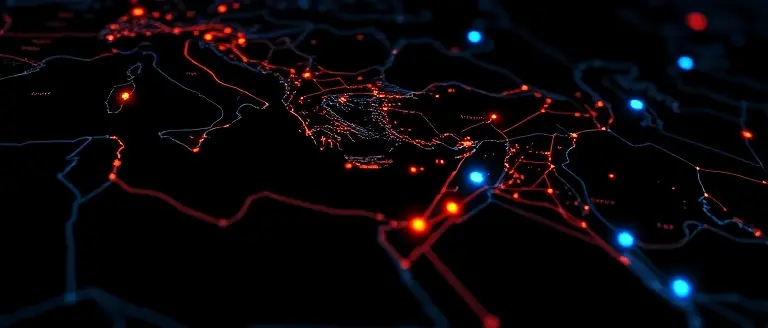
The emergence of reports regarding an alleged king faisal air base strike occurs against a backdrop of long-standing, volatile friction between the Islamic Revolutionary Guard Corps (IRGC) and United States military forces stationed throughout the Middle East. Geopolitical analysts often view such claims as part of a broader, asymmetric information campaign. During periods of heightened diplomatic instability, the strategic propagation of unverified reports serves multiple functions for state and non-state actors alike. By fostering a climate of uncertainty, these actors can pressure regional allies, test defensive readiness, and influence domestic public opinion without necessarily engaging in a kinetic escalation.
Information Warfare and Regional Stability
The circulation of unsubstantiated claims regarding military installations in Jordan is a hallmark of contemporary information warfare. When major international news wires, such as Reuters or the AP, remain silent on specific events, it highlights a critical gap between propaganda and battlefield reality. The strategic value of these claims often lies in their ability to:
- Distract and Deter: Force regional security apparatuses to divert intelligence resources toward confirming or debunking specific threats.
- Domestic Messaging: Provide domestic populations with narratives of strength, regardless of whether a king faisal air base strike actually occurred.
- Diplomatic Leverage: Signal intent to US allies, testing the durability of military agreements and the threshold for regional engagement.
Given the absence of verified casualty data or official confirmation from the US Department of Defense, observers must exercise extreme caution. In a region defined by complex proxy dynamics, the intentional blurring of lines between reality and rumor is a deliberate tactic. High-stakes geopolitical speculation, particularly surrounding the IRGC, frequently intensifies during broader regional escalations, making it essential for audiences to prioritize verified reporting over viral social media narratives or fragmented regional claims.
Navigating Disinformation: How to Track Reliable Military Updates

In the wake of reports regarding a potential king faisal air base strike, the rapid proliferation of unverified information across social media and partisan news outlets presents a significant challenge for observers. During high-intensity geopolitical moments, “fog of war” dynamics often lead to the spread of unsubstantiated claims—such as those citing the IRGC—before international bodies or defense departments have time to conduct forensic verification. To maintain an accurate understanding of the situation, it is essential to prioritize primary data sources over secondary or speculative narratives that lack corroboration from established international news wires.
Establishing a Hierarchy of Credibility
Readers should adopt a strict vetting process when assessing claims of military conflict. Relying on verified reporting is the only way to filter out the noise inherent in regional conflicts:
- Official Department of Defense (DoD) Channels: Monitor the official Pentagon website and press briefings for any confirmed details regarding the safety of US troops or status of military installations.
- Major International News Wires: Outlets such as Reuters, The Associated Press (AP), and AFP maintain rigorous editorial standards and fact-checking protocols that regional or partisan outlets may bypass during high-stakes events.
- Triangulation of Sources: Cross-reference information across multiple reputable international agencies. If a claim regarding a king faisal air base strike appears in a single regional source but is missing from major global wire services, exercise extreme skepticism regarding its veracity.
- The Danger of Speculation: Be wary of content that uses sensationalist language or unverified casualty figures. During active security incidents, disinformation is often deployed as a strategic tool; treating rumors as confirmed news can inadvertently contribute to the volatility of the geopolitical landscape.
By centering your information intake on established, high-E-E-A-T sources, you ensure that your assessment of Middle Eastern security dynamics remains grounded in facts rather than opportunistic propaganda. Always wait for official confirmation before treating rumors as geopolitical reality.
Navigating the Fog of Modern Geopolitics
As this situation evolves, the gap between verified reports and regional propaganda remains wide. Distinguishing credible military intelligence from speculative narratives is no longer just a task for analysts; it is a necessity for anyone seeking to understand the shifting landscape of global security. The current state of ambiguity surrounding events at the King Faisal Air Base underscores the critical importance of patience and verification in an age of instant, often unreliable information.
In an era of high-stakes, confusing headlines, maintaining cognitive clarity is your most valuable asset when evaluating complex geopolitical developments. The mental fatigue caused by filtering through conflicting reports can cloud your judgment, making it harder to discern the truth. This is where The Brain Song becomes an essential tool for your analytical arsenal. By sharpening your focus and eliminating the mental fog that accompanies information overload, this cognitive aid provides the stamina you need to synthesize high-stakes intelligence with precision.
Preparing your mind to handle complex information requires the same rigor as professional fact-checking. The Brain Song is designed to support the mental resilience necessary to parse through the noise of regional tensions without becoming overwhelmed. Equip yourself with the clarity required to stay informed in an unpredictable world and take control of your information consumption habits today.
 Sharpen your analytical focus today and navigate the news cycle with total clarity by trying The Brain Song.Yes, I Want This Now!