

On July 23, 2026, the FDA issued an urgent alert regarding the potential contamination of over 1.5 million dozen eggs with Salmonella Enteritidis. Distributed through major retailers including Kroger and Brookshire’s, these products have reached households across Texas, Oklahoma, and Louisiana, creating significant concern for families and consumers alike. As news of this widespread recall unfolds, it is critical to remain calm while taking immediate, decisive action to ensure your kitchen environment remains safe from foodborne illness.
This guide serves as your centralized hub for navigating the current egg recall. From identifying specific carton codes and UPCs to understanding your rights for refunds at store counters, we have synthesized the latest FDA information into an actionable plan. While you address the immediate safety of your pantry, it is also the perfect moment to pause and re-evaluate the foundations of your overall metabolic health during these times of nutritional uncertainty.
FDA Issues Recall for 1.5 Million Dozen Eggs Due to Salmonella Risk

On July 23, 2026, the U.S. Food and Drug Administration (FDA) issued an urgent alert regarding a significant egg recall 2026 event. Midwest Poultry Services, L.P. has initiated a voluntary recall of approximately 1.6 million dozen eggs—totaling roughly 19 million individual units—following concerns regarding potential Salmonella Enteritidis contamination. This widespread safety measure was prompted by internal quality controls that identified a risk of bacterial pathogens within specific production batches, necessitating immediate action to protect public health.
The scope of this recall is primarily focused on the Southern United States, with significant distribution verified across Texas, Oklahoma, and Louisiana. Retailers affected by this distribution include major grocery chains, specifically Kroger and Brookshire’s. Because these eggs were sold through high-volume retail environments, the Texas egg salmonella contamination concern has prompted local health officials to urge consumers to check their refrigerators immediately. If you have purchased egg cartons from these retailers recently, it is critical to verify the lot codes against the official FDA database before consumption.
Why This Recall Matters
Salmonella Enteritidis is a serious foodborne pathogen that can cause severe gastrointestinal distress. Symptoms of infection, known as salmonellosis, often include:
- Fever and abdominal cramps
- Diarrhea (sometimes bloody)
- Nausea and vomiting
- Headaches
The recall specifically targets products distributed in the aforementioned states, where consumer reliance on these major chains is high. While investigative reports are ongoing, the FDA recalled eggs notice serves as a preemptive measure to prevent widespread illness. Consumers are advised not to eat any eggs potentially linked to this recall. Instead, you should either dispose of the cartons securely or return them to the place of purchase—such as your local Kroger or Brookshire’s—for a full refund. For the most accurate and up-to-date identification codes, please reference the official FDA notice to ensure your household remains protected from potential exposure.
Affected Brands and Product Identification
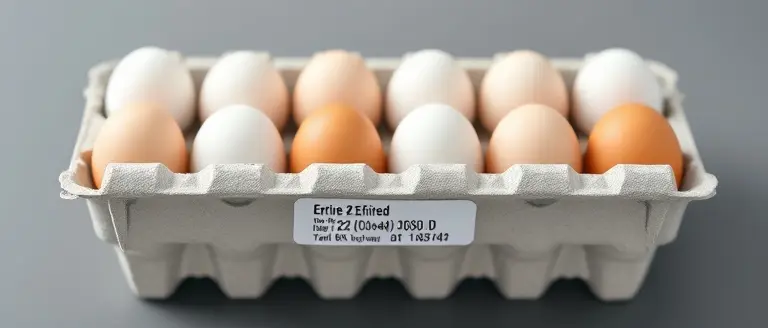
If you have purchased eggs recently in Texas, Oklahoma, or Louisiana, it is vital to verify your packaging immediately against the latest FDA recalled eggs list. The current recall, initiated by Midwest Poultry Services, L.P., involves approximately 1.6 million dozen eggs. Affected inventory was primarily distributed through major retail chains, including Kroger and Brookshire’s. Shoppers should be particularly vigilant if they have purchased store-brand eggs or specific premium labels like Simple Truth during the week of July 23, 2026. Because Texas egg salmonella contamination concerns are widespread, retailers are working to pull all potentially compromised stock from shelves, but consumers may still have these items in their refrigerators.
How to Locate Lot Codes and Expiration Dates
To determine if your eggs are part of the egg recall 2026, you must examine the carton directly. Do not rely solely on the brand name; the specific safety status of a carton is tied to the plant number and lot code printed on the packaging.
- Check the Carton Lid or Side: Look for the printed expiration date and the facility code, which usually begins with a letter followed by a string of numbers.
- Identify the Plant Code: These codes are essential for the FDA to track the source of the Salmonella Enteritidis outbreak. Compare the numbers on your carton against the official manifest provided on the FDA’s recall website.
- Visual Inspection: While Salmonella is invisible to the naked eye, inspect your eggs for any physical cracks or evidence of leaker eggs. Regardless of the appearance, if your carton’s code matches the recall list, dispose of the product immediately or return it to the place of purchase.
Next Steps for Consumers
If you find that your eggs match the recalled identification criteria, do not consume them under any circumstances. You should return the product to your local Kroger or Brookshire’s for a full refund. Even if you have already consumed some eggs from the carton without showing symptoms, it is best practice to sanitize your refrigerator shelves and any utensils that came into contact with the raw eggs to prevent secondary contamination. Always verify your specific purchase against the most recent updates from the FDA to ensure your household remains safe from potential foodborne illness.
Action Steps: Returns, Refunds, and Safe Disposal
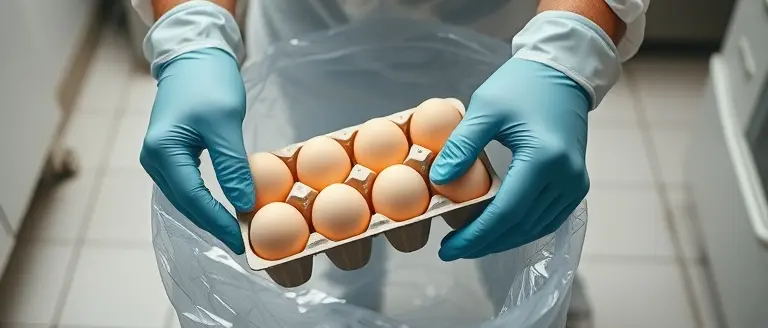
If you suspect you have purchased FDA recalled eggs following the recent announcement concerning Midwest Poultry Services, L.P., immediate action is required to ensure household safety. Consumers should check their refrigerators immediately for any cartons purchased recently at Kroger or Brookshire’s locations across Texas, Oklahoma, and Louisiana. If your eggs match the affected lot codes identified in the official FDA recall notice, do not consume them under any circumstances, even if they have been thoroughly cooked, as cross-contamination risks remain significant in your kitchen environment.
Procedures for Returns and Refunds
Retailers impacted by the egg recall 2026—specifically Kroger and Brookshire’s—are currently facilitating full refunds for affected consumers. You do not necessarily need the original receipt to initiate a return, though having one can expedite the process at customer service desks. Follow these steps to secure your refund:
- Verify the Code: Check the carton for the specific expiration dates and plant codes associated with the recall.
- Do Not Return Used Cartons: If the eggs are broken or the carton is empty, most stores will still honor a refund if you provide the packaging containing the lot code.
- Visit the Service Desk: Bring the product to the store of purchase and speak with a manager; stores are prepared to assist patrons affected by this Salmonella contamination.
Safe Disposal and Sanitization
If you are unable to return the items immediately, you must dispose of the recalled eggs in a way that prevents potential exposure to other household members or pets. Place the eggs inside a sealed plastic bag before putting them into a waste bin to prevent leakage. It is critical to sanitize any surfaces, refrigerator shelves, or utensils that came into contact with the eggs using a solution of one tablespoon of liquid chlorine bleach per gallon of hot water. Thoroughly wash your hands with soap and warm water for at least 20 seconds after handling any suspect packaging to mitigate the risk of contracting foodborne illness.
Understanding Salmonella Symptoms and Food Safety

If you have recently purchased eggs from retailers like Kroger or Brookshire’s in the affected Southern states, it is crucial to remain vigilant regarding your health. The FDA recalled eggs associated with Midwest Poultry Services, L.P. due to the risk of Salmonella Enteritidis contamination. This bacterium can cause serious foodborne illness, particularly in vulnerable populations such as the elderly, young children, and those with compromised immune systems. Because symptoms may not appear immediately, monitoring your household for physical changes is essential during the incubation period, which typically ranges from six hours to six days after consuming contaminated product.
Common Symptoms of Salmonella Infection
If you suspect you have consumed eggs involved in the egg recall 2026, be alert for the following clinical signs:
- Diarrhea: Often occurring suddenly and lasting several days.
- Abdominal Cramps: Persistent pain or discomfort in the stomach region.
- Fever: Often accompanied by chills.
- Nausea and Vomiting: Frequently associated with the onset of the infection.
- Headache: Some individuals may also experience generalized body aches.
When to Seek Medical Attention
While many individuals recover without specific treatment, Salmonella Enteritidis can lead to severe dehydration or bloodstream infections if left unmanaged. If you experience high fevers, persistent vomiting that prevents fluid retention, or signs of severe dehydration, please consult a healthcare provider immediately. Inform them that you may have been exposed to potentially contaminated eggs during this recent public health event.
Staying Informed and Safe
Food safety begins with proactive prevention. If you possess cartons subject to this recall, do not consume them; return them to the point of purchase for a full refund. For real-time updates and to verify specific lot codes, please visit the official FDA recall notice to ensure you are viewing the most current safety documentation. Always practice thorough hand washing and sanitize kitchen surfaces that may have come into contact with raw egg product to prevent cross-contamination.
Disclaimer: This information is for educational purposes and does not constitute medical advice. Always contact a medical professional if you suspect you are suffering from a foodborne illness.
Reclaiming Your Health Amidst Uncertainty
Navigating food safety alerts like the recent FDA recalled eggs can be stressful, leaving many to wonder about the quality and reliability of the items in their kitchen. As you verify your refrigerator inventory and discard any potentially compromised products, it is the ideal time to focus on what you can control: your internal metabolic stability. Disruption in your grocery routine often highlights the importance of maintaining consistent, high-quality nourishment that supports your body regardless of external food supply fluctuations.
While you reset your kitchen habits, consider incorporating Sugar Defender as your ultimate health insurance policy. Designed to provide reliable metabolic support and improved energy levels, Sugar Defender helps you bypass the variability of processed grocery items by focusing on what truly matters—the optimization of your internal systems. It is a proactive step toward feeling empowered and balanced when the world outside your door feels unpredictable.
By prioritizing your metabolic health today, you create a stronger, more resilient foundation for your future well-being. Don’t leave your energy levels to chance while your kitchen inventory remains in flux. Take the step that bridges the gap between dietary anxiety and systemic clarity, ensuring you feel your best every single day.
 Reclaim your metabolic stability and energy today with Sugar Defender.Yes, I Want This Now!