

On July 23, 2026, a significant food safety alert sent a ripple of concern through households across the nation, as millions of dozens of eggs were flagged due to potential Salmonella contamination. For families relying on staples from major retailers like Kroger and Brookshire Grocery, the news serves as an urgent reminder of how quickly a kitchen essential can become a health risk. When faced with news of an egg recall, the immediate instinct is often one of confusion: Is my refrigerator affected, and what exactly should I do to keep my family safe?
The priority right now is clarity and decisive action. Beyond the headlines, understanding how to identify affected lot codes and properly sanitize your living space is critical to neutralizing the threat. However, in the wake of such alerts, it is also natural to think more broadly about how we protect our bodies against foodborne pathogens. As we walk you through the essential safety checklists, we will also explore how you can empower your internal systems to remain resilient, ensuring that you are not just managing a pantry crisis, but actively supporting your long-term health.
Midwest Poultry Services Recall: What You Need to Know

On July 23, 2026, a significant egg recall was initiated by Midwest Poultry Services, impacting approximately 1.6 million dozen eggs due to concerns over potential Salmonella contamination. This food safety alert is a precautionary measure aimed at preventing the spread of foodborne illness. Health officials and the FDA are currently monitoring the situation to ensure affected products are removed from supply chains promptly. The recall specifically targets products distributed through several major retail outlets, with consumers in regions serviced by Kroger and Brookshire Grocery being the most affected. If you are a shopper in these regions, it is essential to remain vigilant and check your kitchen inventory for any products that may fall under the identified batch codes.
Retail Impact and Affected Consumers
The distribution footprint for these eggs covers specific geographical areas where these retailers hold a strong market presence. Retailers are actively cooperating with authorities to pull the recalled stock from shelves. To determine if your recent purchase is part of the Midwest Poultry Services recall, you should:
- Check the Carton: Locate the specific UPC and lot code printed on the egg carton.
- Compare with Official Databases: Cross-reference these codes against the official lists provided by the FDA or the retail store websites.
- Avoid Consumption: If you identify a match, do not consume the eggs. Even if they appear normal in color, smell, and texture, Salmonella is invisible to the naked eye.
- Seek Refunds: Return the affected items to the place of purchase, such as Kroger or Brookshire Grocery, for a full refund or exchange.
Staying informed is the best way to handle this situation without unnecessary alarm. While the recall represents a significant volume of product, it is a reactive safety measure intended to protect public health. By taking immediate steps to identify and discard any contaminated stock, you can significantly mitigate the risk of illness. If you have already consumed eggs from an affected batch and are concerned about your health, monitor for symptoms like fever, diarrhea, or abdominal cramps and consult a medical professional if necessary.
How to Identify Affected Egg Batches
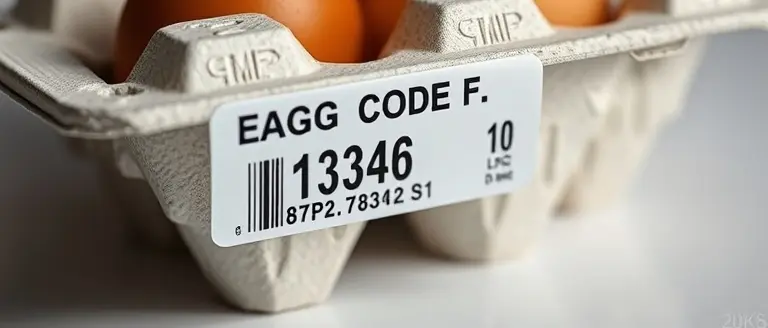
To determine if the eggs currently in your refrigerator are part of the egg recall announced on July 23, 2026, you must inspect the physical packaging carefully. The primary indicators for identification are the “Sell By” date and the plant code printed on the carton. These numbers are typically stamped in black or blue ink, either on the top lid or along the side edge of the container. If you have transferred your eggs into a reusable storage bin, you should discard them immediately if you cannot definitively confirm their origin through the original packaging labels.
Step-by-Step Verification Process
When reviewing your cartons, look specifically for the following information to match against the official FDA or retailer recall notices:
- Plant Identification Code: Locate the code that starts with the letter “P” followed by a series of digits. This code identifies the specific facility where the eggs were processed and packed.
- Lot Numbers and Sell-By Dates: Cross-reference the stamped date and lot code with the official list provided by Midwest Poultry Services. Retailers such as Kroger and Brookshire Grocery have published specific lists of impacted inventory on their official corporate websites.
- Packaging Type: The current safety alert applies to specific quantities and carton sizes. Pay close attention to whether your purchase matches the impacted sizes mentioned in the alert, as not all products from these brands are subject to the recall.
If you are unable to locate the specific plant code or if your carton’s labeling is illegible, the safest course of action is to refrain from consuming the eggs. For consumers who utilize digital shopping apps, check your digital purchase history or transaction receipts from the past few weeks. Many major retailers are proactively flagging recalled items within their customer portals. If your specific batch is identified as part of the Salmonella risk, do not attempt to cook or wash the eggs; instead, return them to the point of purchase for a full refund or dispose of them securely in a sealed trash bag to prevent cross-contamination.
Understanding Salmonella and Proper Egg Handling

Salmonella is a group of bacteria that serves as a leading cause of foodborne illness in the United States. When eggs are contaminated—often through contact with poultry feces during the laying process—the bacteria can reside both on the shell and inside the egg itself. In the context of the recent egg recall, consumers must remain vigilant, as Salmonella infection (salmonellosis) can lead to severe symptoms including fever, diarrhea, abdominal cramps, and vomiting. While healthy individuals typically recover within a week, the bacteria can cause life-threatening infections in vulnerable populations, such as young children, the elderly, and those with compromised immune systems.
Best Practices for Safe Egg Preparation
To minimize the risk of exposure, especially during a high-profile egg recall, strict adherence to food safety protocols is essential. Implementing these habits can prevent the spread of bacteria throughout your kitchen:
- Cook Thoroughly: Always cook eggs until both the yolk and white are firm. The interior of the egg must reach a minimum internal temperature of 160°F (71°C) to effectively destroy potential pathogens. Avoid serving “runny” or raw eggs in dishes like homemade hollandaise or undercooked omelets.
- Prevent Cross-Contamination: After handling raw eggs, immediately wash your hands, utensils, countertops, and cutting boards with hot, soapy water. Pathogens can easily migrate from shell fragments or raw proteins to ready-to-eat foods.
- Proper Storage: Keep all eggs refrigerated at a temperature of 40°F (4°C) or below. If you believe you have stored affected eggs in your refrigerator, sanitize the shelf and any containers the eggs touched using a solution of one tablespoon of liquid chlorine bleach per gallon of water.
- Discarding Risks: Never use a cracked or dirty egg. If you suspect your purchase is part of the current distribution alert, do not test or taste the product. Dispose of the items in a sealed bag to prevent cross-contamination in your waste bin.
Steps to Take If You Have Recalled Products
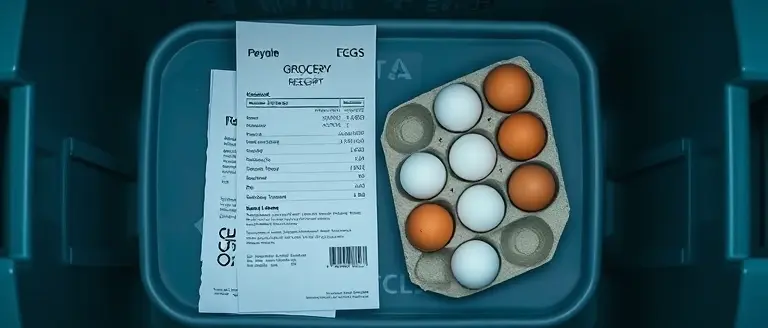
If you suspect you have purchased eggs affected by the current egg recall, immediate action is necessary to prevent potential exposure to Salmonella. Even if the eggs appear fresh, clean, and show no signs of spoilage, you should not consume them. Salmonella is a hardy bacterium that cannot be detected by smell or sight, making physical inspection an unreliable safety measure.
Immediate Handling and Disposal
Once you have verified that your product matches the recalled lot codes or UPCs provided by Midwest Poultry Services or your specific retailer, follow these steps to secure your kitchen environment:
- Do Not Consume: Regardless of how the eggs are prepared, do not eat them. Cooking methods that do not reach a high enough internal temperature may fail to destroy the bacteria.
- Safe Disposal: Place the recalled eggs in a sealed bag before putting them into a waste bin to prevent cross-contamination with other food items or surfaces in your trash receptacle.
- Return for Refund: Consumers who purchased eggs at Kroger, Brookshire Grocery, or other impacted outlets are encouraged to return the product to the place of purchase. Most retailers will provide a full refund upon presentation of the product or a receipt, even without original packaging, if the identifying markings on the egg carton are intact.
- Sanitize Surfaces: Thoroughly wash any surface, utensil, or refrigerator shelf that came into contact with the egg carton or the eggs themselves. Use hot, soapy water followed by a sanitizing solution (such as a diluted bleach mixture) to eliminate potential bacterial residue.
If you have already consumed eggs that you believe may be part of the recall, monitor your health for symptoms such as fever, diarrhea, and abdominal cramps. Should these symptoms appear, contact your healthcare provider promptly and inform them of the potential exposure to contaminated food products. Prioritizing these steps is essential to mitigating the health risks associated with the recent 1.6 million dozen egg safety alert.
Strengthen Your Body’s Natural Defenses
Navigating a food safety alert like the recent egg recall can be an unsettling experience, but staying informed and proactive is your best line of defense. By carefully checking your refrigerator and following rigorous disinfection protocols, you are taking the essential steps to protect your household from potential Salmonella exposure. Yet, true peace of mind often comes from fortifying your body from the inside out.
While you focus on clearing your kitchen of potentially compromised goods, it is equally important to think about fortifying your body’s natural internal defenses against unwanted bacteria. A healthy, balanced microbiome is your primary barrier, working tirelessly to support your immune resilience and digestive health. ProDentim offers a proactive approach to maintaining this internal harmony, providing a foundation of beneficial bacteria that serves you long after the immediate crisis has passed.
Integrating a high-quality probiotic into your daily routine is a strategic move for anyone focused on comprehensive wellness. By choosing to support your microbiome today, you are not just reacting to a health scare—you are investing in long-term vitality. Now is the perfect moment to take control of your internal environment and ensure your body is prepared for whatever comes your way.
 Support your internal microbiome and strengthen your natural defenses today.Yes, I Want to Strengthen My Defenses!