
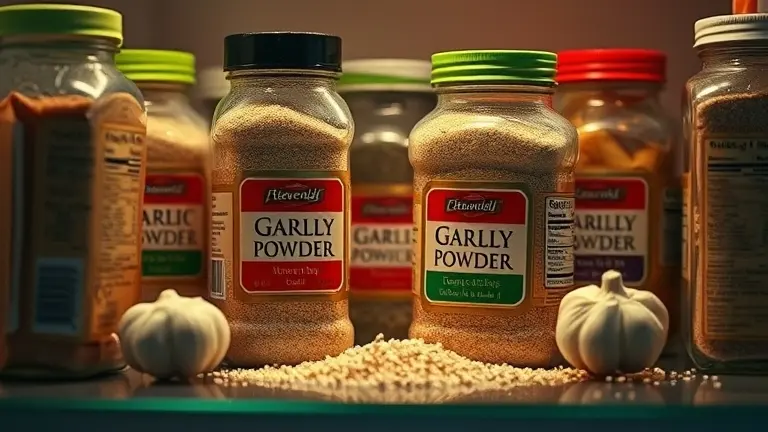
When a garlic powder recall hits the news, it is easy to feel a sense of unease. The recent safety alert regarding ‘Heavenly Spices’ brand garlic powder—linked to potential Bacillus cereus contamination—serves as a stark reminder that food safety doesn’t stop at the grocery store entrance; it extends all the way to your kitchen shelves. While this specific recall originated in Canada, the ubiquity of global supply chains means that consumers everywhere should be vigilant about the spices they use daily. Bacillus cereus is a hardy, spore-forming bacterium capable of surviving drying processes, and in concentrated powdered spices, it poses a genuine risk of foodborne illness that can cause rapid onset vomiting and severe gastrointestinal distress.
Instead of relying on fragmented news reports, it is time to take a proactive approach to your home inventory. This guide serves as your comprehensive Pantry Security Audit, designed to move beyond the headlines and provide you with actionable steps to identify contaminated products, understand the reality of spice-borne pathogens, and implement a rigorous disposal process. We will show you exactly how to read batch numbers, spot signs of degradation in bulk spices, and ensure your kitchen remains a safe harbor for your culinary creations.
Understanding the Heavenly Spices Garlic Powder Recall
In mid-July 2026, health authorities issued an urgent safety alert regarding Heavenly Spices brand garlic powder. This garlic powder recall was initiated due to the potential contamination of the product with Bacillus cereus, a harmful bacterium capable of causing significant foodborne illness. While the recall specifically centers on inventory distributed through Dollarama stores in Canada, the alert remains highly relevant for US consumers. Due to the interconnected nature of modern supply chains, cross-border travel, and the prevalence of online third-party marketplaces, there is a risk that this affected product may have migrated into American households.
The Risks of Bacillus Cereus Contamination
It is essential to understand why this garlic powder recalled status carries a Class 2 risk designation. Bacillus cereus is a spore-forming bacterium that can survive the dehydration process typically used in spice manufacturing. When ingested, these bacteria produce toxins in the digestive tract, leading to two primary types of illness: an emetic (vomiting) syndrome or a diarrheal syndrome. Symptoms typically manifest as:
- Sudden onset of intense nausea and vomiting
- Abdominal cramping
- Watery, persistent diarrhea
Because these symptoms can mimic other gastrointestinal distress, consumers who have used recent spice purchases may initially overlook the connection. If you suspect you have consumed the affected product, monitor your health closely and consult a medical professional if symptoms appear.
For US residents, the most effective protection is a proactive pantry security audit. Even if you do not reside in Canada, check your labels for the “Heavenly Spices” branding and verify the lot numbers against current safety databases. If you possess the recalled item, do not attempt to use it, regardless of whether it appears clean or odor-free. The risk of bacterial toxins is invisible to the naked eye, making immediate disposal or return the only safe course of action.
Pantry Security Audit: Identifying Affected Products
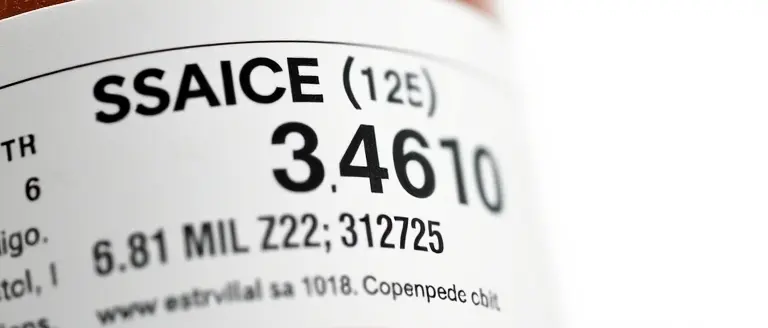
If you are concerned about the recent garlic powder recall, conducting a proactive pantry security audit is the most effective way to protect your household. While the garlic powder recalled due to Bacillus cereus contamination primarily involves the “Heavenly Spices” brand distributed through specific retail channels, consumers should remain vigilant. To determine if your spice supply is affected, you must look beyond the front-facing label. Manufacturers typically print critical identifiers on the bottom of the container or along the side seam of the packaging. When inspecting your bottles, look for a combination of a “Best Before” date and a specific alphanumeric lot code. If your packaging shows signs of wear—such as faded ink or illegible numbers—it is safer to treat the item as potentially compromised.
How to Locate and Verify Product Information
To accurately identify if your product is part of the recall, follow this systematic verification process:
- Check the Brand Name: Confirm if the label explicitly reads “Heavenly Spices.” While other brands are not currently part of this specific garlic powder recall, cross-contamination remains a concern in mass-market spice processing.
- Locate the Lot Code: Turn the bottle over. Most spice manufacturers, including those impacted by recent food safety alerts, print the batch or lot number on the bottom of the container. Compare this string of numbers against the official list provided by the retailer or the Canadian Food Inspection Agency (CFIA).
- Inspect the Expiration Date: Manufacturers often correlate safety data with shelf-life windows. Note the date stamped on your container, as this is frequently used as a primary sorting mechanism in Class 2 recall notices.
- Examine Packaging Integrity: Even if your specific lot number is not explicitly listed, check for signs of moisture or caking inside the container. Bacillus cereus thrives in environments where humidity has compromised the seal, leading to potential spoilage that may not always be visible to the naked eye.
If you find a match or have reasonable doubt regarding the safety of your product, avoid opening the seal or attempting to smell the contents. Bacterial spores can become airborne or spread to other kitchen surfaces if the product is disturbed. Secure the item in a sealed plastic bag before disposal to prevent cross-contamination in your waste stream.
Safety Protocols: Proper Handling and Disposal

If you have confirmed that your kitchen contains the garlic powder recalled due to Bacillus cereus contamination, immediate action is required to maintain your household’s safety. Handling potentially contaminated spices requires precision to prevent the spread of bacteria throughout your culinary space. Because Bacillus cereus can cause significant gastrointestinal distress, you must treat the affected container as a biohazard.
Step-by-Step Safe Disposal Procedure
To dispose of the garlic powder recall product safely, follow these professional handling guidelines:
- Avoid Aerosolization: Do not shake, pour, or empty the contents into your trash bin. Inhaling the fine dust from a contaminated spice can expose you to the bacteria. Keep the lid tightly sealed during the entire disposal process.
- Double-Bagging: Place the original container inside a sturdy, sealable plastic bag (like a Ziploc). Once sealed, place that bag inside a second trash bag to ensure that no powder escapes into your waste stream or attracts pets.
- Sanitize Surfaces: Any surface that the contaminated jar touched—including pantry shelves, countertops, or prep areas—must be thoroughly sanitized. Use a solution of bleach and water or a high-grade disinfectant cleaner to neutralize any potential bacterial residue.
- Prevent Cross-Contamination: Thoroughly wash your hands with warm, soapy water for at least 20 seconds immediately after handling the recalled product. Do not reuse any measuring spoons or utensils that may have come into contact with the powder before the alert was issued.
By following these containment measures, you ensure the garlic powder does not pose a secondary risk to children or pets who may come into contact with your household waste. If you suspect you or a family member have already consumed the affected product and are exhibiting symptoms of food poisoning, contact a healthcare professional immediately. Proactive disposal is the most effective way to eliminate the risk associated with this safety alert.
Next Steps: Refund Processing and Health Monitoring

If you have confirmed that your pantry contains the recalled Heavenly Spices garlic powder, your first priority is to prevent further consumption. Do not attempt to return the item to the retailer unless explicitly instructed by the official recall notice; instead, safely dispose of the product by sealing it in a plastic bag before placing it in a secure waste bin. To secure a refund, retailers generally require proof of purchase. We recommend taking a clear digital photograph of the packaging, specifically capturing the lot code and the “best before” date. This documentation serves as primary evidence when submitting a claim through the retailer’s customer service portal or the manufacturer’s recall claim page.
Monitoring Your Health After Exposure
If you have already consumed the affected garlic powder recalled in this health safety alert, it is essential to monitor your physical well-being closely. Bacillus cereus is a resilient bacterium capable of producing toxins that trigger acute foodborne illness. Symptoms typically manifest within hours of ingestion and often include:
- Severe abdominal cramping
- Persistent vomiting
- Watery diarrhea
- Mild nausea
Most healthy adults recover from mild cases of food poisoning with hydration and rest; however, you should contact a medical professional immediately if symptoms become severe, are accompanied by a high fever, or if you belong to a high-risk group such as children, the elderly, or those with compromised immune systems. If you suspect you have been exposed, document the date of consumption and the specific brand details to assist healthcare providers in their diagnostic process. Prioritizing these steps will help you manage the potential risks associated with the garlic powder recall efficiently while ensuring your long-term health remains protected.
Elevate Your Kitchen to Professional Safety Standards
Conducting a thorough pantry security audit is more than a one-time chore; it is an essential step in safeguarding your home against invisible threats like Bacillus cereus. By systematically inspecting, identifying, and discarding compromised products, you have already taken significant action to protect your family’s health. Now that you have cleared out your pantry and ensured your spice storage is free of contamination risks, the next logical step in your kitchen security audit is to optimize your storage space to prevent future clutter, improper handling, and potential spoilage.
A truly secure kitchen requires a foundation that is as durable as it is organized. This is where professional-grade planning becomes your greatest asset. Rather than relying on flimsy, pre-made store organizers that often hide expired goods in dark corners, you can now transition to a bespoke kitchen environment. By leveraging expert-led plans, you can build custom, food-safe shelving and tailored spice racks that maximize visibility, airflow, and sanitation, ensuring that every jar and container remains easy to inspect and maintain.
Ted’s Woodworking serves as the ultimate resource for this transformation, providing the professional-grade systems necessary to reconstruct your kitchen storage with precision and quality. By building your own custom solutions, you create a robust, organized, and contamination-resistant workspace that stands the test of time. It is the natural next step for any homeowner committed to proactive kitchen health and superior home organization.
 Take control of your kitchen’s infrastructure by building secure, custom-fit storage solutions with over 16,000 professional workshop plans.Transform My Kitchen Today!