
The entertainment industry is currently reeling as the legal proceedings against David Anthony Burke—the 21-year-old singer known professionally as d4vd—enter their second day of preliminary hearings. The gravity of the charges, centered on the murder and dismemberment of 14-year-old Celeste Rivas Hernandez, has cast a somber shadow over the digital influence landscape. As Los Angeles courts begin to process the harrowing evidence presented, including testimony regarding the pre-meditated acquisition of specialized tools and the presentation of graphic crime scene imagery, the public is forced to confront the stark reality behind the online persona.
Amidst a deluge of viral speculation, our investigation remains dedicated to maintaining an objective, factual timeline of the court records as they become available. This case not only marks a devastating personal tragedy for the Rivas Hernandez family but also triggers a broader, urgent conversation regarding the intersection of celebrity digital influence and profound criminal accountability in the modern age.
Preliminary Hearing: The Criminal Case Against David Anthony Burke
As of July 21, 2026, the legal proceedings regarding the death of 14-year-old Celeste Rivas Hernandez have reached a critical juncture in a Los Angeles courtroom. The preliminary hearing for David Anthony Burke, known professionally as the singer d4vd, is currently in its second day of testimony. Prosecutors are presenting a series of evidentiary findings intended to establish probable cause for a full criminal trial. The atmosphere in the courtroom has remained tense as the prosecution details allegations of a highly organized and premeditated act of violence, moving beyond initial investigation reports toward a formal judicial assessment.
Evidence Presented in Court
The state’s case centers on digital and physical evidence that allegedly links the 21-year-old artist to the crime. During the proceedings, detectives provided testimony regarding a series of online orders placed by the defendant. According to the court record, evidence suggests that Burke utilized digital platforms to purchase specific items in the days leading up to the incident. Key evidence presented during the hearing includes:
- Premeditation Evidence: Documentation indicating the purchase of industrial-grade tools, including chainsaws and a shovel.
- Logistical Materials: Records of orders for body bags and an inflatable pool, which prosecutors argue were acquired to facilitate the concealment of the crime.
- Graphic Testimony: The court reviewed disturbing crime scene materials and digital forensic evidence that have become central to the prosecution’s argument regarding the intent behind the death of Celeste Rivas Hernandez.
Legal Standing and Next Steps
The defense and prosecution are currently debating the sufficiency of this evidence to justify moving forward to a jury trial. While the defense has maintained a focus on challenging the admissibility and context of the digital evidence, the prosecution asserts that the timeline of purchases demonstrates clear intent. This hearing does not serve as a trial on guilt or innocence but acts as a procedural safeguard to ensure the state has met the burden of proof required for a felony prosecution. As the hearing continues, the public and media remain closely focused on the testimony of investigative officers, which is expected to conclude in the coming days. The court’s ruling at the end of this session will determine whether the case against d4vd proceeds to a formal indictment and subsequent trial phase.
Case Timeline: Development of the Los Angeles Proceedings

The criminal proceedings against David Anthony Burke, professionally known as d4vd, have entered a critical phase in the Los Angeles court system. As the legal team and prosecutors move through the preliminary hearing, the court is focused on determining whether sufficient evidence exists to proceed to a full jury trial regarding the death of 14-year-old Celeste Rivas Hernandez. This timeline outlines the progression of the legal process, which has drawn intense public and media scrutiny due to the nature of the allegations.
Key Phases of the Preliminary Hearing
The ongoing proceedings have been characterized by the introduction of disturbing forensic evidence and witness testimony. The following timeline tracks the development of the case as established by court records:
- Initial Arraignment: Following the arrest of d4vd, the initial filing focused on formalizing the charges of murder and dismemberment. During this stage, the prosecution outlined the basis for their investigation, setting the stage for the preliminary evidentiary hearings.
- Day One of Preliminary Hearings: Prosecutors began presenting their case to the judge, focusing on establishing a timeline of events leading up to the death of Celeste Rivas Hernandez. The defense began evaluating the scope of the evidence presented, which included digital footprints and logistical records.
- Day Two and Current Proceedings: The hearing shifted toward detailed testimony regarding alleged premeditation. Detectives and forensic experts presented evidence suggesting that Burke had acquired specific items—including chainsaws, body bags, an inflatable pool, and a shovel—in the days preceding the incident.
These developments remain under judicial review. As the court assesses the validity and admissibility of these findings, the case continues to highlight the intersection of digital-era celebrity and severe criminal accountability. Future sessions are expected to focus on further corroborating witness statements and finalizing the evidentiary packet for a potential trial date. All information presented in this section is strictly derived from active court documentation as the legal process unfolds.
Evidence Presented in Court: Verified Testimony and Exhibits
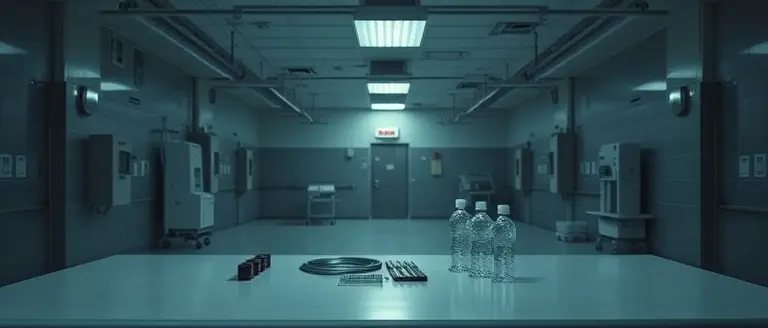
During the ongoing preliminary hearings in Los Angeles, prosecutors have introduced a series of disturbing exhibits and testimonies central to the case against d4vd, the professional moniker of 21-year-old David Anthony Burke. The current proceedings, focused on determining if there is sufficient evidence to warrant a full murder trial, have centered on allegations of premeditation regarding the death of Celeste Rivas Hernandez, a 14-year-old victim. The prosecution’s presentation has shifted focus toward the forensic and digital trail allegedly left by the defendant prior to the crime.
Documented Procurement and Premeditation
Key testimony provided by investigators during the session suggests a systematic attempt to acquire specific materials used in the commission of the alleged crime. Law enforcement officials presented documentation to the court, stating that d4vd allegedly procured several items through online orders. According to the court records and detective testimony, the following items were identified as part of the evidentiary record:
- Industrial-grade chainsaws, noted for their potential involvement in the dismemberment of the victim.
- Heavy-duty body bags, submitted as evidence of intent to conceal or dispose of remains.
- An inflatable pool, which prosecutors allege was utilized at the crime scene to facilitate the disposal process.
- A shovel, presented as physical evidence recovered during the investigation.
These items, along with digital footprints retrieved from the suspect’s personal accounts, form the cornerstone of the prosecution’s argument for premeditation. By presenting these exhibits, the state aims to establish a calculated sequence of events that contradicts any suggestion of impulsive behavior. The defense has maintained a clinical stance as these graphic details are entered into the record, with the court meticulously verifying the chain of custody for each item. As the hearing continues into its second day, the presiding judge is reviewing these exhibits to establish whether the totality of the evidence meets the legal standard for a trial. The case against d4vd remains under intense public scrutiny as more forensic data is expected to be disclosed in the coming days.
Legal Process and Next Steps
In the California judicial system, the ongoing preliminary hearing for David Anthony Burke, professionally known as d4vd, serves as a critical procedural gateway. Unlike a full jury trial, the primary objective of this phase is not to determine guilt or innocence, but to ascertain whether sufficient probable cause exists to warrant a criminal trial. The presiding judge must evaluate the evidence presented by the prosecution—including the disturbing testimonies regarding the death of 14-year-old Celeste Rivas Hernandez—to decide if the state has met the threshold required to move forward. If the judge concludes that the evidence, such as the alleged procurement of chainsaws and body bags, substantiates the charges, the case will be bound over for a formal arraignment and subsequent trial.
The Role of Counsel and Judicial Oversight
During these proceedings, both the prosecution and the defense engage in a high-stakes evidentiary exchange. Prosecutors are tasked with establishing a compelling narrative of premeditation, while defense attorneys utilize this stage to cross-examine witnesses and challenge the admissibility of the evidence brought against the defendant. Key procedural components include:
- Evidentiary Burden: The prosecution must demonstrate that there is a “strong suspicion” of guilt, a standard significantly lower than the “beyond a reasonable doubt” requirement of a trial.
- Witness Testimony: The court hears directly from law enforcement and forensic experts to verify the chain of custody regarding items found in the investigation.
- Strategic Disclosure: Both legal teams use this time to assess the strengths and weaknesses of the other side’s case, which often informs plea negotiations or defense strategies for the potential trial.
As the hearings regarding d4vd continue, the legal trajectory remains focused on establishing the facts as they are introduced into the record. If the court finds the prosecution’s evidence sufficient, a trial date will be scheduled, moving the case from a preliminary status into the formal litigation phase. The public and media entities will remain focused on these procedural steps to ensure clarity on the legal status of the accused while strictly adhering to the requirements of due process.
Maintaining Mental Clarity During Distressing News Cycles
As the hearings continue to unfold, the density of the information being presented in the Los Angeles courtroom is understandably overwhelming for those following the case. Processing the graphic details of this tragedy requires a significant amount of mental and emotional stamina. It is essential for media consumers to prioritize their psychological well-being while seeking the truth, ensuring that the heavy weight of such investigative journalism does not compromise your internal equilibrium.
Engaging with high-stakes investigative updates demands immense focus, and to help you maintain clarity while navigating these complex developments, we recommend integrating a brief, neuroscience-based auditory recovery routine. The Brain Song serves as an invaluable cognitive wellness tool, providing a non-invasive psychological reset that helps reduce mental fog and restore your focus. By incorporating this simple, 12-minute daily practice, you can remain grounded and objective as you continue to follow the critical updates of the d4vd case.
We encourage you to prioritize your cognitive health as we continue to track this evolving story with accuracy and neutrality. The right tools can help you process difficult information without losing your perspective.
 Restore your focus and mental clarity during these challenging news cycles with a 12-minute daily auditory routine.Yes, I Want To Restore My Focus Now!