
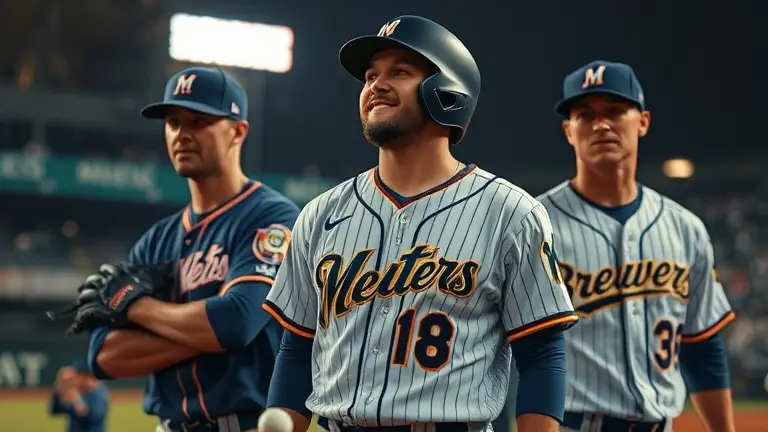
As the Milwaukee Brewers and New York Mets close out their three-game series at American Family Field, the narrative reaching beyond the diamond is one of stark contrast. While the Brewers sit comfortably as dominant contenders with a 63-37 record, the struggling 42-59 Mets are faced with a sobering reality that dictates their trajectory leading into the August 3 MLB trade deadline. This series serves as a critical stress test for Milwaukee’s championship aspirations and a final audition for the Mets’ roster before the front office begins an inevitable, season-defining overhaul.
For the astute baseball enthusiast, the mets vs brewers matchup offers a masterclass in organizational strategy rather than a simple clash of teams. Beyond the box score, we are witnessing the tension of a front office evaluating the value of high-ceiling prospects like Brandon Sproat against the immediate need for veteran depth. Analyzing these complex, high-stakes decisions requires more than just sports intuition; it demands the analytical clarity to process years of data and nuanced roster management, separating those who follow the game from those who truly understand how championships are engineered.
A Tale of Two Franchises: The July 22 Series Finale Context
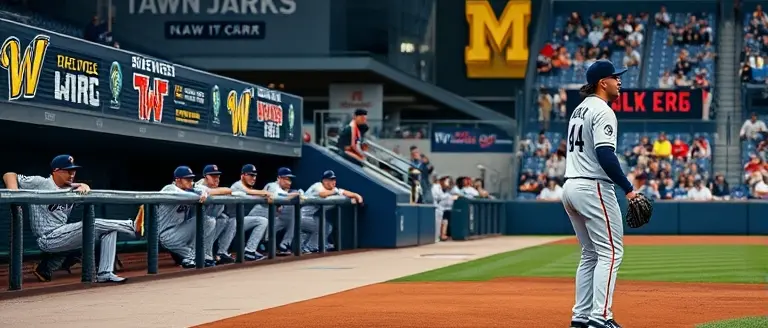
The mets vs brewers series finale at American Family Field on July 22, 2026, serves as a poignant snapshot of two organizations heading in diametrically opposite directions. Entering this matchup, the Milwaukee Brewers have firmly established themselves as legitimate World Series contenders, boasting a stellar 63-37 record. Their dominance in the National League is not merely a product of luck; it is the result of a calculated roster strategy that balances high-impact pitching with consistent offensive production. For Milwaukee, this series is about maintaining momentum and fine-tuning the rotation before the postseason push.
In stark contrast, the New York Mets arrive in Milwaukee mired in a difficult campaign, currently sitting at 42-59. This disparity highlights the fundamental divide between the two clubs: one is refining its championship infrastructure, while the other is grappling with a profound crisis of identity. For the Mets, the remainder of the season—and specifically high-profile series against winning teams—serves as an extended audition for players and a stress test for the front office.
Several key factors define the stakes of this series finale:
- The Contender’s Blueprint: The Brewers are using these final days before the August 3 trade deadline to evaluate which tactical upgrades are necessary to bolster their bullpen for a deep October run.
- Mets’ Strategic Evaluation: With a significant gap in the standings, the focus for New York has shifted toward long-term asset management and the development of emerging talents, such as the widely discussed Brandon Sproat.
- Impact of the Standings: The mets – brewers dynamic underscores how early-to-midseason results dictate the aggression level of front offices during the final weeks of the trade market.
As the series concludes, the narrative for the Brewers remains clear: capitalize on their current window of contention. Meanwhile, the Mets must determine whether their current roster construction is sustainable or if a fundamental reorganization is required to bridge the gap between their current reality and their postseason ambitions.
Brewers’ Roster Strategy: Building for the October Push
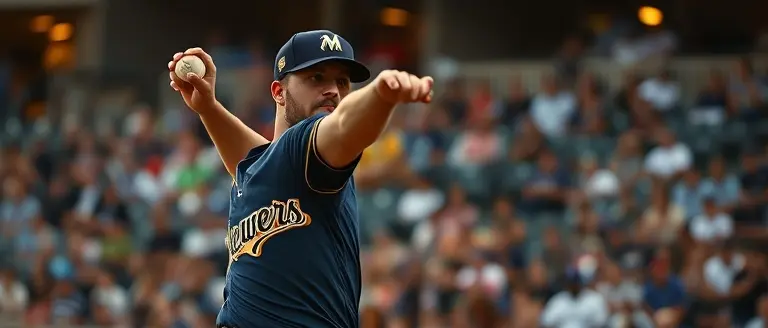
As the Milwaukee Brewers maintain a formidable 63-37 record, the ongoing mets vs brewers series at American Family Field serves as a critical stress test for a team clearly posturing for a deep postseason run. With the August 3 trade deadline fast approaching, Milwaukee’s front office finds itself in the enviable position of being a clear buyer. While the struggling New York Mets (42-59) are effectively playing for future assets, the Brewers are utilizing this series to identify the final missing pieces of their championship puzzle. Evidence suggests that Milwaukee’s roster strategy is currently focused on maximizing their bullpen depth and refining their offensive consistency against elite pitching staffs.
Targeted Additions for a Championship Window
To solidify their status as top-tier contenders, the Brewers must address specific depth concerns before the deadline. While their core remains strong, internal discussions likely point toward stabilizing the backend of the rotation or adding a high-leverage arm to complement their existing relief core. By analyzing how the team handles the mets – brewers matchup, scouts are likely monitoring the following areas:
- High-Leverage Bullpen Arms: Adding a veteran reliever who can bridge the gap to the closer role will be essential for managing high-pressure situations in October.
- Middle Infield Depth: Bolstering the bench with a versatile player capable of handling multiple defensive positions can mitigate potential injury risks during the playoff push.
- Starting Pitching Insurance: With the workload expected to increase, acquiring a reliable starter to provide innings stability remains a priority for the front office.
By strategically navigating the trade market, the Brewers are signaling that they are not content with merely securing a playoff spot; they are building for sustained success in the National League. This series against the Mets underscores the disparity between a team planning for the future and one currently firing on all cylinders toward a championship.
The Mets’ Crossroads: Front-Office Implications for the Off-Season

The ongoing mets vs brewers series at American Family Field serves as a sobering mirror for the New York front office, reflecting a widening gap between a perennial postseason contender and a franchise currently adrift. With a record of 42-59, the Mets’ inability to keep pace with the 63-37 Brewers is not merely a statistical anomaly; it is a clear indicator that the current roster construction lacks the depth and competitive urgency required to challenge top-tier MLB clubs. As the August 3 trade deadline approaches, the organization must decide if the current trajectory necessitates a total fire sale or a more surgical, strategic retooling.
Evaluating the Path Forward
The pressure on the front office is mounting as scouts and analysts weigh the viability of the current lineup against the looming off-season. The evidence suggests that “staying the course” is no longer a viable strategy. Decisions regarding veteran contracts and the integration of prospects like Brandon Sproat will define whether this team undergoes a controlled rebuild or a chaotic teardown. Key areas of concern for the leadership team include:
- Roster Sustainability: Determining which core pieces are essential for a 2027 push versus those who are trade bait for high-ceiling prospects.
- Front-Office Accountability: Whether internal performance metrics demand a shift in coaching philosophy or an entirely new scouting direction.
- Market Positioning: Balancing the fan base’s desire for immediate competitiveness against the reality of a talent deficit.
Ultimately, the mets – brewers contrast highlights that while Milwaukee has successfully leveraged mid-tier acquisitions into a championship-caliber machine, the Mets remain trapped in a cycle of high-cost, low-yield returns. If the front office fails to pivot during this critical window, the off-season could see a fundamental change in both personnel and administrative oversight, as the mandate for a championship in New York remains non-negotiable.
Beyond the Score: Analytical Takeaways from the Series

The current mets vs brewers series at American Family Field serves as a definitive case study in roster construction and organizational stability. While the scoreboard reflects a stark disparity in records—with the Brewers firmly entrenched as postseason contenders at 63-37 and the Mets languishing at 42-59—the tactical differences run deeper than mere statistics. Milwaukee’s success is built upon a high-floor offensive consistency and a bullpen that consistently leverages advanced analytics to neutralize high-leverage threats. Conversely, the New York roster has struggled with lineup fluidity and a lack of late-inning reliability, forcing the coaching staff into difficult decisions that have rarely yielded favorable results.
Strategic Divergence: Contender vs. Rebuilding
As the August 3 trade deadline approaches, the organizational trajectories of these two clubs couldn’t be more distinct. The Brewers have utilized this series to validate their status as legitimate threats in the National League, showcasing a depth that few teams can match. For the Mets – Brewers matchup to be truly representative of their season-long performance, one must look at these critical factors:
- Bullpen Reliability: Milwaukee’s ability to bridge the gap to their closer has been the backbone of their winning percentage, whereas the New York relief corps has frequently surrendered leads in the late innings.
- Offensive Consistency: The Brewers maintain disciplined at-bats that pressure opposing starters, leading to higher pitch counts and earlier exits for the opposition.
- Front-Office Philosophy: While Milwaukee is scouting for veteran upgrades to bolster their pennant run, New York is effectively forced into a “seller” mindset, evaluating internal talent like Brandon Sproat to see if they can serve as foundational pieces for 2027 and beyond.
Ultimately, this series highlights why Milwaukee remains a disciplined, high-value organization capable of deep playoff runs. For the Mets, the remaining games serve as an audition for a front office currently tasked with identifying which core components are worth retaining for a necessary organizational reset.
Beyond the Box Score: Sharpening Your Analytical Edge
As the Mets vs Brewers series wraps up, the true story isn’t just in the final tally at American Family Field, but in what these performances signal for the August 3 trade deadline. The Brewers are clearly operating with the cold, calculated precision of a team ready to make a deep October run, while the Mets are left to pivot toward the difficult, long-term front-office decisions that will define their future. Understanding these intricate roster dynamics requires more than just a casual glance; it demands the same focus and clarity that front-office scouts utilize to spot the next breakout star.
Just as the Brewers’ front office relies on precise data to make season-defining roster moves, staying sharp and focused while analyzing these complex sports tiers is essential for the true fan. If you find yourself struggling to keep up with the mental load of advanced metrics and shifting playoff odds, your brain may simply need an upgrade. The Brain Song is designed specifically for the intelligent fan who consumes deep-dive sports analysis, acting as a cognitive performance accelerator to eliminate mental fog and enhance your learning capacity.
By integrating The Brain Song into your daily routine, you move beyond the surface-level noise of sports media and enter the realm of elite-level analysis. It is the ultimate tool for those who treat their fandom as an intellectual pursuit, ensuring you have the mental sharpness to dissect every trade rumor and roster shift with professional-grade clarity. Don’t just watch the game—master the narrative.
 Unlock your peak analytical potential—try the 12-minute daily routine that keeps your brain as sharp as a professional scout’s eye.Transform My Analytical Edge Now!