

For 74 years, the silence of the Atlantic Ocean held the secrets of the Pan Am Clipper Endeavor. On July 21, 2026, the discovery of this wreckage at a depth of 2,000 feet off the coast of Puerto Rico finally broke that silence, offering long-awaited closure to a tragedy that claimed 52 lives in 1952. While the headlines focus on the recovery of the aircraft, the true legacy of this flight lies not in its final resting place, but in the radical transformation of aviation standards it forced upon the industry.
Before the Clipper Endeavor, cabin safety was often an afterthought in the so-called Golden Age of flight. This disaster served as the grim catalyst that pressured regulators to mandate essential, life-saving protocols we take for granted today, including standardized flight-safety briefings, the explicit demonstration of life vests, and the clearly marked placement of emergency exits. By diving deep into the evolution of these protocols, we uncover the harsh realities hidden behind mid-century glamour and gain a profound appreciation for the rigorous safety infrastructure that now defines modern global travel.
The Rediscovery of the Clipper Endeavor: Closing a 74-Year Mystery
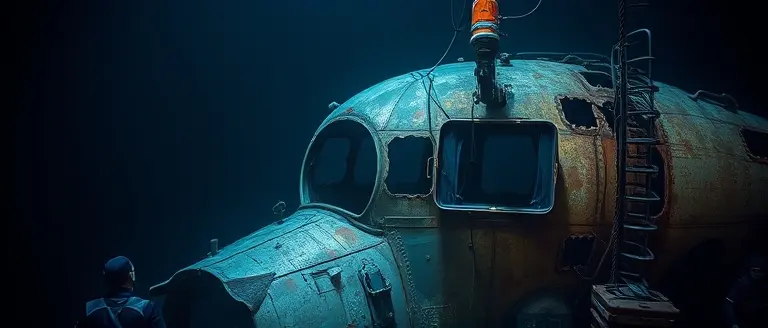
On July 21, 2026, the aviation world reached a somber milestone as explorers confirmed the discovery of the Pan Am Clipper Endeavor wreckage resting at a depth of 2,000 feet off the coast of Puerto Rico. Lost since its tragic puerto rico plane crash in 1952, the aircraft remained hidden for 74 years, shrouded in the depths of the Atlantic Ocean. This discovery finally offers a sense of historical closure for the families of the 69 individuals who were on board that day—a flight that ended in tragedy with 52 confirmed fatalities.
A Technological Feat in Deep-Sea Exploration
The recovery of the site was no small task. Locating the Pan Am aircraft at such extreme depths required advanced sonar mapping and remote-operated vehicles (ROVs) capable of navigating the harsh, high-pressure conditions of the Atlantic floor. The wreckage, largely untouched by time, provides a rare, undisturbed snapshot of mid-century aviation. For historians and investigators, the site is not merely a memorial; it is a critical piece of evidence that explains why the Clipper Endeavor accident became the ultimate turning point for global air travel safety standards.
Key aspects of the discovery include:
- Site Preservation: The cold, deep-water environment has preserved significant sections of the fuselage, allowing experts to verify crash dynamics.
- Historical Accuracy: The precise coordinates of the debris field validate decades of speculative logs and search reports from the early 1950s.
- Safety Legacy: The wreckage site serves as a poignant reminder of the era before mandatory safety demonstrations, marking the boundary between the “Golden Age of Aviation” and the modern, regulated environment we trust today.
By bringing the Clipper Endeavor back into the public consciousness, experts are able to illustrate how the loss of these 52 lives necessitated the strict emergency exit and life vest protocols currently enforced by the FAA. This discovery stands as a testament to the fact that while technology advances, the lessons learned from our past remain the bedrock of modern flight security.
Before the Briefing: Aviation Safety in the Early 1950s
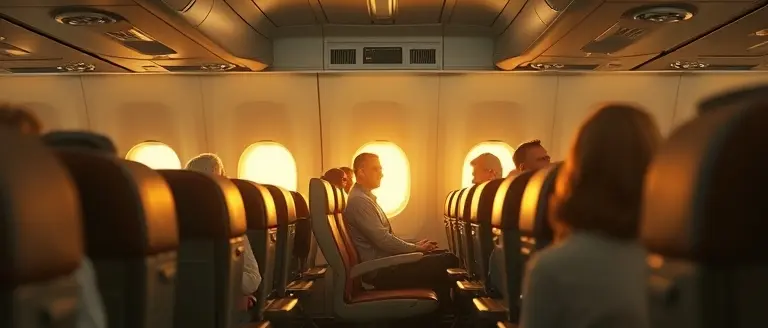
The “Golden Age of Aviation” in the early 1950s was characterized by luxury, style, and a sense of wonder, but beneath the glamorous veneer of Pan Am flights lay a precarious reality regarding passenger safety. In 1952, the year the Pan Am Clipper Endeavor met its tragic fate off the coast of Puerto Rico, air travel was still in its relative infancy regarding standardized emergency procedures. During this era, flight attendants were often viewed primarily as hospitality professionals—tasked with serving meals and ensuring passenger comfort—rather than the highly trained safety and security officers they are recognized as today.
A Lack of Standardized Preparedness
Prior to the mid-century shift in aviation standards, there were no mandatory pre-flight safety briefings as we know them today. Passengers boarded aircraft without receiving instructions on the location of emergency exits, the use of life vests, or brace positions for landing. Aviation historians point to the Puerto Rico plane crash as a critical turning point that exposed these systemic failures. In the absence of formal, regulated protocols, passengers were largely left to fend for themselves during mid-air emergencies, a fact that contributed to the significant loss of life—52 out of the 69 souls on board—during that fateful 1952 incident.
Key differences between the safety environment of the 1950s and the modern era include:
- Absence of Mandatory Demonstrations: Passengers were rarely shown where oxygen masks or life rafts were located.
- Hospitality-First Training: Cabin crew recruitment prioritized social grace over emergency response certifications.
- Information Asymmetry: There was no expectation for airlines to provide passengers with localized exit diagrams or situational briefings.
- Safety Technology Gaps: The Clipper Endeavor tragedy catalyzed the development of more robust communication and survival equipment, eventually forcing the FAA and international bodies to mandate the safety briefings now standard on every flight.
The discovery of the wreckage 74 years later serves as a stark reminder of an era when the thrill of flight often overshadowed the vital importance of passenger survival protocols. By analyzing this disaster, we gain a deeper understanding of how the industry transitioned from a “flying service” model to the rigorous safety-centric framework that defines modern commercial aviation.
From Tragedy to Mandate: How the Endeavor Influenced the FAA

The 1952 puerto rico plane crash involving the pan am clipper endeavor serves as a grim but pivotal turning point in the history of civil aviation. While the loss of 52 lives remains a tragedy, the subsequent investigation forced regulators to confront the reality that mid-century air travel lacked basic, standardized survival protocols. Before this catastrophe, passengers were largely left to their own devices during emergencies, with no formal guidance on how to navigate a cabin under duress. The findings from this wreckage directly informed the modern safety frameworks now overseen by the FAA.
The Birth of Modern Safety Protocols
The aftermath of the pan am disaster shifted the industry’s focus from mere mechanical reliability to passenger-centric survival. Aviation historians point to this specific event as the catalyst for several requirements that are now synonymous with the flying experience:
- Mandatory Pre-Flight Briefings: Before the 1952 incident, safety demonstrations were non-existent. Regulators mandated that flight crews must provide clear, concise instructions to all passengers before departure.
- Standardized Life Vest Demonstrations: The tragedy highlighted the inability of passengers to locate and deploy flotation devices in a chaotic environment. Procedures were formalized to ensure that every passenger understands the physical location and operation of their life vest.
- Emergency Exit Accessibility: The disaster exposed critical flaws in emergency egress. Authorities subsequently required that emergency exits be clearly marked, illuminated, and kept free of internal obstructions to ensure rapid evacuation.
By analyzing the data recovered from the clipper endeavor at its 2,000-foot resting place, experts have been able to bridge a 74-year gap in aviation forensics. This discovery confirms that the safety procedures we take for granted today—the routine talk regarding seatbelts and exits—were forged in the wake of this historic tragedy, fundamentally altering the trajectory of global flight safety standards.
The Enduring Legacy: Modern Standards Born from Mid-Century Loss

Before the mid-1950s, the “Golden Age of Aviation” was characterized by a distinct “glamour-first” mentality. Aviation historians note that during this era, the passenger experience prioritized luxury, speed, and social status over rigorous emergency preparedness. Prior to the tragic 1952 Pan Am flight—the Clipper Endeavor—pre-flight briefings were virtually non-existent. Passengers were rarely instructed on the location of emergency exits, the operation of life vests, or brace positions, as the industry operated under the assumption that such technical details would detract from the sophisticated atmosphere of air travel.
The Catalyst for Change
The 1952 Puerto Rico plane crash, which resulted in 52 fatalities out of 69 souls on board, served as a grim wake-up call for the entire aviation industry. This disaster provided the necessary evidence for regulators to shift their focus from passenger comfort to survival rates. The recovery of the wreckage at a depth of 2,000 feet in the Atlantic Ocean has reignited interest in how this event forced a pivot in safety culture. The post-disaster analysis directly influenced the FAA’s eventual mandates, transitioning aviation from a laissez-faire approach to a highly regulated, safety-obsessed environment. Key changes sparked by the legacy of this tragedy include:
- Mandatory Safety Demonstrations: Establishing the requirement for flight crews to physically demonstrate the use of life vests and oxygen equipment before takeoff.
- Emergency Exit Familiarization: Implementing standardized briefings that ensure every passenger is aware of their nearest exit, regardless of their cabin class.
- Survival Equipment Standards: Improving the accessibility and design of emergency flotation devices and cabin signaling systems.
Today’s aviation safety culture is fundamentally built upon the lessons learned from the Clipper Endeavor disaster. While modern air travel is viewed as a routine experience, the rigorous protocols mandated today are a direct evolution from the mid-century losses that exposed the vulnerability of passengers. By moving away from the era of “glamour-first” travel, the industry established a foundation of safety that remains the cornerstone of modern flight, ensuring that historical tragedies are never repeated.
Mastering the History of Aviation Safety
The wreckage of the Clipper Endeavor stands as a somber monument to the lessons learned through sacrifice. Understanding how this single tragedy dismantled outdated practices and paved the way for modern, life-saving aviation protocols requires a meticulous examination of technical history and regulatory shifts. To parse through such dense historical timelines and complex engineering data, you need more than just curiosity; you need peak mental acuity to synthesize the information effectively.
Just as the 1952 investigation demanded an uncompromising attention to detail to identify critical safety failures, your own deep-dive research into this aviation milestone requires an optimized cognitive state. When you are sifting through decades of archival data and technical reports, mental fatigue is your greatest adversary. This is where The Brain Song becomes your most essential research partner. By utilizing a neuroscience-backed approach to enhance focus and eliminate mental fog, this tool allows you to digest complex historical information with the precision of a professional aviation analyst.
Elevate your ability to explore the history of flight. By streamlining your cognitive performance, you ensure that you are not just reading history, but truly understanding the vital safety legacies left behind by the heroes and victims of the Clipper Endeavor. It is time to sharpen your intellect and master the intricate data of the past.
 Optimize your ability to process complex historical data—start your 12-minute daily cognitive routine today.Transform My Cognitive Focus Now!