
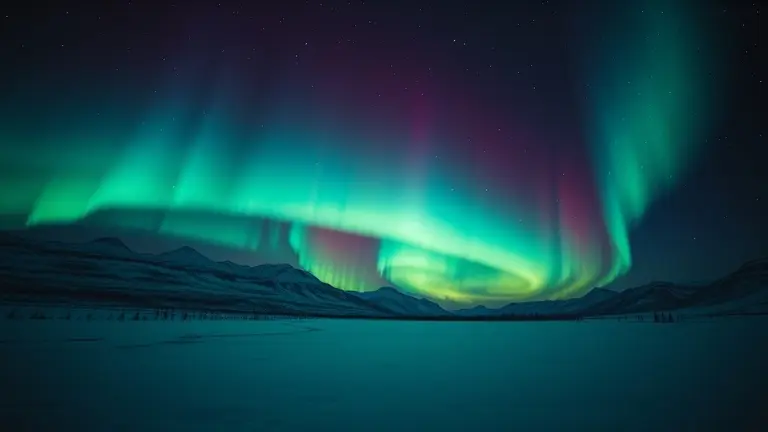
The skies over the United States are buzzing with anticipation as the Space Weather Prediction Center confirms a G1 geomagnetic storm is currently unfolding this July 21-22, 2026. For millions of hopeful stargazers across 12 U.S. states, this is the moment to look up, as the northern lights dance across the horizon. However, capturing this fleeting celestial display requires more than just luck; it demands preparation, a clear sky, and an understanding of how to interpret the Kp-index to find the optimal viewing window in your specific corner of the country.
While news alerts focus on the raw data, the true aurora chasers know that success is found in the details—positioning yourself away from light pollution, ensuring your horizon is unobstructed, and stabilizing your camera equipment for those critical low-light shots. Whether you are a casual observer or a dedicated night-sky photographer, understanding the mechanics of this event is your first step toward transforming a passive interest into an unforgettable visual experience tonight.
July 2026 NOAA Aurora Alert: Where and When to See the Northern Lights
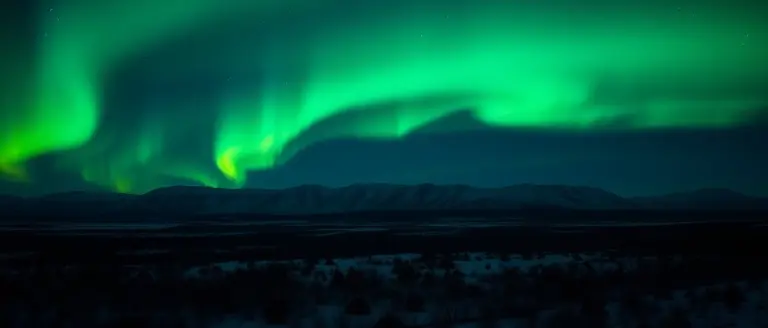
The NOAA Space Weather Prediction Center (SWPC) has officially issued a G1 (Minor) geomagnetic storm alert for the nights of July 21 and July 22, 2026. This celestial event, triggered by heightened solar activity, creates a prime window for skywatchers across the northern United States to witness the aurora borealis. While a G1 classification is considered minor on the space weather scale, the current atmospheric conditions provide a rare opportunity for aurora visibility in latitudes that do not typically experience these displays. Because this is a time-sensitive event, interested observers should prepare to scan the northern horizon immediately during the darkest hours of the night.
States in the Viewing Path
Current july noaa northern lights forecast data indicates that the aurora borealis may be visible from up to 12 U.S. states. While sightings are never guaranteed due to the nuances of geomagnetic intensity and local atmospheric conditions, the following states are currently identified within the potential viewing line:
- Maine
- New Hampshire
- Vermont
- New York
- Michigan
- Wisconsin
- Minnesota
- North Dakota
- South Dakota
- Montana
- Idaho
- Washington
To maximize your chances of success tonight, find an observation point well away from city light pollution and ensure you have a clear, unobstructed view of the northern horizon. The most reliable windows for viewing typically occur between 10:00 PM and 2:00 AM local time. Remember that while human eyes may see a faint gray glow or soft curtains, modern smartphone cameras with long-exposure settings are often capable of revealing the vibrant greens and purples of the aurora that are otherwise invisible to the naked eye. Stay updated via real-time monitoring tools to track the Kp-index as it fluctuates throughout the evening.
Understanding the Kp-Index: What G1 Means for Your Viewing
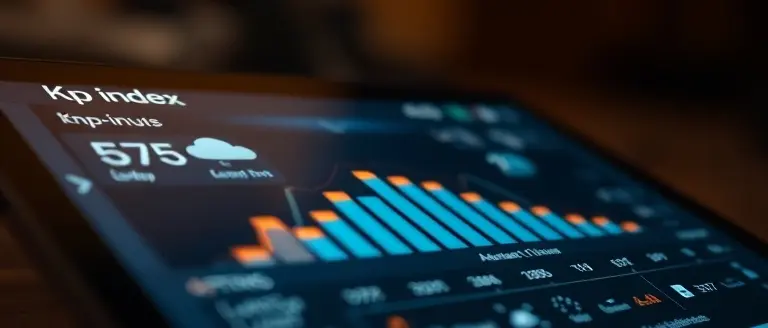
When reviewing the july noaa northern lights forecast, you will frequently encounter the term “Kp-index.” Think of the Kp-index as a planetary scale that measures the intensity of geomagnetic activity. It ranges from 0 to 9, where 0 indicates quiet conditions and 9 represents an extreme geomagnetic storm. For the events unfolding on July 21-22, 2026, the Space Weather Prediction Center (SWPC) has categorized the current activity as a G1 (Minor) geomagnetic storm.
Why a G1 Storm Matters
While a G1 rating might sound insignificant compared to the higher-end G4 or G5 events, it is highly significant for residents in the northern United States. A G1 storm serves as a gentle nudge that pushes the aurora borealis oval further south than its typical Arctic position.
- Reach: During a G1 event, the northern lights may become visible from high-latitude U.S. states, potentially extending across 12 states if conditions remain stable.
- Expectations: Unlike massive solar storms that cause widespread, brilliant displays, a G1 event often results in a faint, green, or milky glow on the northern horizon.
- Accessibility: This is an ideal entry-level event for amateur skywatchers, as it does not require extreme solar activity to achieve visibility in northern regions.
It is important to manage your expectations: you are likely looking for a subtle, ethereal band of light rather than the dancing, vibrant curtains seen in intense solar maximum years. However, this July 2026 forecast provides a rare opportunity for residents who rarely have a chance to witness the phenomenon. To maximize your chances, seek out locations with minimal light pollution and a clear, unobstructed view of the northern horizon, as the lower the intensity of the storm, the closer you must be to the northern border to witness the glow.
Check Your Local Forecast: Tools for Cloud Cover and Visibility
Even with a favorable July NOAA northern lights forecast indicating a G1-level geomagnetic storm, your ability to witness the aurora borealis depends heavily on local atmospheric conditions. The most common pitfall for observers is cloud cover, which can obscure even a vibrant display. To maximize your chances tonight, you must monitor real-time satellite imagery and cloud projections. Reliable resources like Ventusky or the NOAA GSL (Global Systems Laboratory) surface weather forecasts are essential tools for precision planning. These platforms allow you to toggle “Cloud Cover” layers, helping you pinpoint “holes” in the cloud deck where visibility may improve during the overnight hours of July 21-22.
Strategies for Optimal Viewing
Finding the right environment is just as critical as monitoring the weather. Light pollution from urban centers acts as a significant barrier to spotting the subtle glow of a G1 storm. To improve your visibility, consider these tactical steps:
- Seek Dark-Sky Locations: Use resources like LightPollutionMap.info to identify areas with a Bortle scale rating of 4 or lower. A simple 30-minute drive away from major city lights significantly increases the contrast of the night sky.
- Prioritize a Clear Northern Horizon: Because the aurora sits low on the horizon for many U.S. states, ensure your viewing location has an unobstructed northern view. Avoid valleys or areas surrounded by dense tree lines or mountain ridges.
- Allow for Eye Adjustment: It takes your eyes approximately 20 to 30 minutes to fully adapt to low-light conditions. Avoid looking at your smartphone screen, as the blue light will reset your night vision and make it difficult to detect faint auroral colors.
- Stay Informed: Keep a tab open on the official NOAA Space Weather Prediction Center (SWPC) dashboard to monitor the real-time Kp-index. If the Kp-index climbs beyond the predicted G1 levels, the auroral oval may shift further south, potentially expanding the viewing window to additional states.
By combining these digital forecasting tools with a strategic choice of location, you move from passive observation to an active, informed aurora hunt. Remember that visibility is fluid; checking these cloud maps every hour can often make the difference between a successful night of stargazing and missing the display entirely.
Photography Tips: Capturing the Aurora on Phone vs. Camera
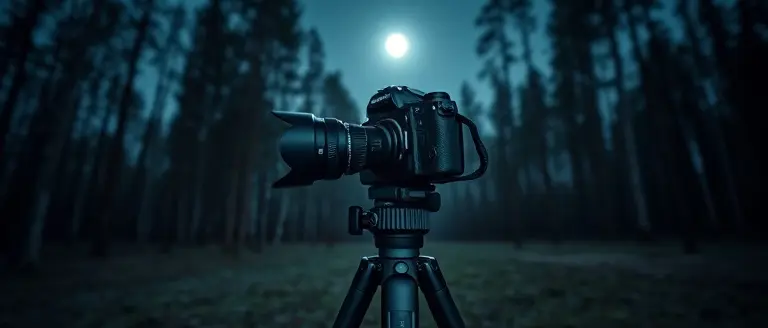
Capturing the July NOAA northern lights forecast requires precision, as even a G1 (Minor) geomagnetic storm can produce faint ribbons of color that are often invisible to the naked eye. Regardless of your equipment, stability is the most critical factor for a clear shot. Because low-light photography necessitates longer shutter speeds, any handheld movement will result in blurry, unusable images. Always use a stable tripod or a makeshift rest to keep your device perfectly still during the exposure.
Smartphone Photography Techniques
Modern smartphones are surprisingly capable of documenting aurora activity if you leverage the right settings. Avoid using your standard auto-mode, as the flash will ruin your night vision and wash out the sky.
- Enable Night Mode: Most high-end smartphones have a dedicated long-exposure Night Mode. Ensure it is set to the maximum duration allowed.
- Manual Exposure Control: If your phone supports “Pro” or “Manual” mode, set your shutter speed between 3 and 10 seconds.
- ISO Settings: Keep your ISO between 800 and 1600 to balance sensitivity without introducing excessive digital noise.
- Use a Timer: Set a 3-second self-timer to prevent the physical vibration caused by tapping the shutter button.
DSLR and Mirrorless Settings
For those using professional-grade cameras, you have much more control over how the sensor interacts with the faint light of the aurora. To maximize your results during this geomagnetic event, focus on these manual adjustments:
- Aperture: Open your lens to its widest setting (lowest f-stop number, typically f/2.8 or lower) to capture as much light as possible.
- Shutter Speed: Aim for a 5 to 15-second exposure. If the aurora is moving quickly, shorter exposures (5–8 seconds) prevent the lights from becoming a featureless blur.
- ISO: Start at 1600 and adjust up to 3200 if the lights appear faint on your preview screen.
- Focus: Switch your lens to manual focus and lock it at “infinity.” Use the live-view zoom feature to focus on a distant star or bright light on the horizon to ensure your capture is tack-sharp.
Build Your Perfect Viewing Station
As the geomagnetic activity peaks tonight, remember that the most breathtaking shots—and the most comfortable viewing experiences—are those built on a foundation of solid preparation. While catching the perfect aurora shot is dictated by the cosmic dance above, the stability of your equipment and the comfort of your observation spot are entirely within your control. Mastering your environment is exactly what separates a frustrated bystander from a prepared expert.
Even after the skies dim, your journey into observational mastery doesn’t have to end. Whether you are looking to build a custom, steady camera rig for long-exposure photography, or a durable, portable outdoor viewing platform to keep you warm and elevated during late-night stakeouts, you need the right blueprints to bring your vision to life. This is where your passion for the night sky meets the precision of a master craftsman.
Ted’s Woodworking offers the ultimate resource for hobbyists ready to take their DIY game to the next level, providing professional-grade plans that turn complex projects into manageable, rewarding builds. By creating your own custom gear, you ensure that you are never unprepared for the next big celestial event. Invest in the right tools and techniques today, and turn your amateur setup into a permanent, professional-grade installation that is ready for anything the atmosphere throws at it.
 Check out these 16,000+ workshop plans to build the perfect camera mount or outdoor viewing platform for tonight’s aurora event and beyond.Start Building My Pro Gear Today!