
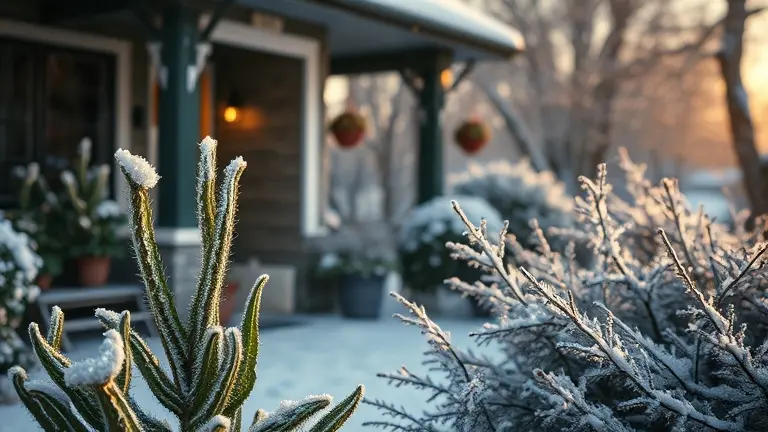
When the National Weather Service issues a freeze watch during the spring months, it often catches homeowners off guard. After weeks of warmer weather, your garden has begun to bloom, and the last thing you want is a sudden, late-season cold snap to undo all your hard work. This type of weather alert is a critical signal that sub-freezing temperatures—typically 32°F or lower—are possible within the next 24 to 48 hours, posing a significant risk to sensitive vegetation and exposed outdoor infrastructure.
Understanding the difference between a watch, a warning, and a hard freeze is more than just academic; it is the first line of defense for your property. While the threat feels sudden, having a concrete plan can make the difference between a thriving landscape and total crop loss. From covering delicate seedlings to winterizing exposed plumbing, being proactive is the best way to maintain your home’s resilience during these unpredictable meteorological shifts.
In this guide, we will break down exactly what you need to know about navigating a freeze watch. We will provide actionable, step-by-step advice on how to secure your garden and outdoor fixtures so you can face the cold with confidence, knowing your property is protected against even the most stubborn spring frosts.
Understanding the Freeze Watch: What It Means for Your Region

When the National Weather Service (NWS) issues a freeze watch, it is a formal signal that conditions are favorable for temperatures to drop to or below the freezing mark of 32°F (0°C). This alert is typically issued 24 to 48 hours in advance, providing a critical window for homeowners, farmers, and gardeners to take proactive measures. A freeze watch does not guarantee that freezing temperatures will occur, but it indicates that the risk is high enough to warrant immediate preparation. Understanding this distinction is vital, as it serves as your early warning to protect sensitive assets before the cold front arrives.
Watch vs. Warning: Why the Terminology Matters
The primary difference between a freeze watch and a freeze warning lies in the level of certainty and timing. While a watch indicates that freezing conditions are possible, a warning confirms that a freeze is imminent or already occurring.
- Freeze Watch: Potential for sub-freezing temperatures in the next 24–48 hours. Use this time to prepare.
- Freeze Warning: Freezing conditions are expected to happen. Immediate action is required.
- Hard Freeze: A more severe classification, indicating that temperatures are expected to drop significantly below freezing (often 28°F or lower) for an extended period, which is lethal to most vegetation and can threaten exposed plumbing.
The Danger of Mid-April Cold Snaps
Mid-April often presents a unique meteorological trap. After experiencing several weeks of warmer, spring-like weather, plants and trees have often broken dormancy and begun budding. This early-season growth is highly vulnerable to frost damage. When a late-season cold snap hits, the metabolic activity in vegetation is high, making the internal structure of these plants susceptible to cell rupture when temperatures dip below 32°F. By monitoring your local NWS alerts, you can secure sensitive landscaping, cover delicate crops, and ensure that outdoor infrastructure remains protected against these anomalous, yet common, spring weather shifts.
Protecting Your Spring Garden: 5 Essential Steps
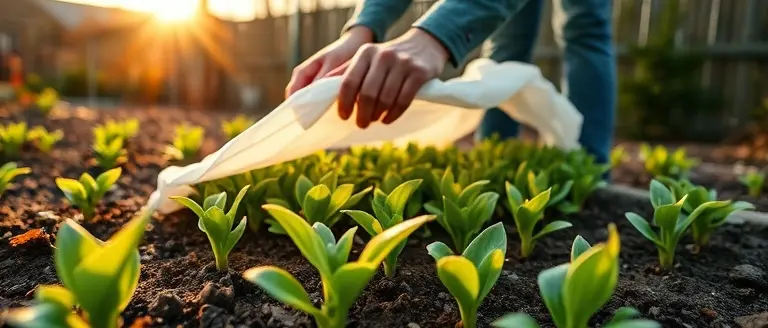
When the National Weather Service issues a freeze watch, it serves as a critical signal that your early-season crops and ornamental plants are at risk of significant damage. Because sudden, late-season temperature drops can kill tender seedlings that have already begun to acclimate to warmer spring weather, taking immediate action is essential. Protecting your landscape does not require expensive equipment; rather, it relies on trapping ground heat and providing a physical barrier against the biting cold. By acting during the 24 to 48-hour window provided by the watch, you can prevent irreversible cellular damage to your vegetation.
To effectively safeguard your garden against an impending freeze, consider these five proven, low-cost strategies:
1. Water Your Soil Thoroughly
Before temperatures drop, ensure your garden beds are well-watered. Moist soil conducts heat more efficiently than dry soil and actually releases that stored heat back into the air overnight, creating a micro-climate around your plants that can be several degrees warmer.
2. Utilize Garden Row Covers
Cover sensitive plants with frost blankets, burlap, or old bed sheets. Ensure the fabric reaches all the way to the ground to trap the heat radiating from the soil. Avoid using plastic directly against leaves, as it can transfer cold and cause frost burn.
3. Move Containers Indoors
If you have sensitive plants in pots or hanging baskets, the simplest protection is to move them inside. A garage, shed, or even a covered porch can offer enough insulation to keep container plants above the freezing threshold.
4. Apply a Protective Layer of Mulch
Spread a thick layer of organic mulch, such as straw or shredded bark, around the base of your plants. This acts as an insulating blanket for the root system, preventing the soil from losing heat too rapidly during a hard freeze event.
5. Create “Cloches” for Seedlings
For individual tender sprouts, use improvised cloches. You can cut the bottom off a plastic milk jug or use a glass jar to cover the plant. This creates a miniature greenhouse effect; just remember to remove the cover once temperatures rise above freezing the following morning to prevent overheating.
Home Infrastructure Checklist: Preparing for Sub-Freezing Temperatures
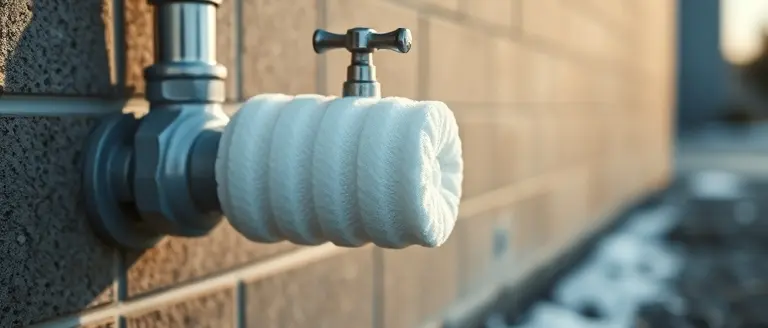
When the National Weather Service issues a freeze watch, the primary goal is to provide enough lead time for homeowners to mitigate potential damage to residential infrastructure. While many residents associate freezing temperatures exclusively with deep winter, an unexpected spring cold snap can be significantly more destructive because irrigation systems are active, hoses are connected, and outdoor plumbing is exposed. Even a brief drop to 32°F or below can cause water trapped in pipes or fixtures to expand, leading to cracks, leaks, or burst pipes that may remain undetected until the next time you turn on your spigot.
Protecting Your Outdoor Plumbing
To safeguard your property against an impending freeze watch, prioritize these essential tasks to prevent costly water damage:
- Disconnect and Drain Hoses: Remove all garden hoses from outdoor faucets. Any water left inside the hose can freeze and create back-pressure that damages the faucet stem or the internal plumbing line within your wall.
- Insulate Outdoor Faucets: Use foam faucet covers or wrap spigots in heavy rags or towels secured with duct tape. This creates a thermal barrier that helps retain heat radiating from the inside of your home.
- Manage Irrigation Systems: If your sprinkler system is active, turn off the water supply to the irrigation line from the main shut-off valve. If your system features a drain valve, open it to empty the lines of any standing water.
- Monitor Exposed Pipes: If you have pipes in unheated areas like garages or crawl spaces, consider using heat tape or pipe insulation sleeves. For extreme cases, allowing a very slow drip from a faucet inside the house can keep water moving, which prevents the liquid from reaching a static freezing point.
By addressing these vulnerable points within the 24- to 48-hour window of a freeze watch, you significantly reduce the risk of structural failure. Proactive maintenance is a fraction of the cost of emergency plumbing repairs, ensuring that your home remains resilient regardless of anomalous late-season weather patterns. Always check local guidelines as temperatures vary by elevation and microclimate.
Staying Informed: How to Track Local NWS Alerts
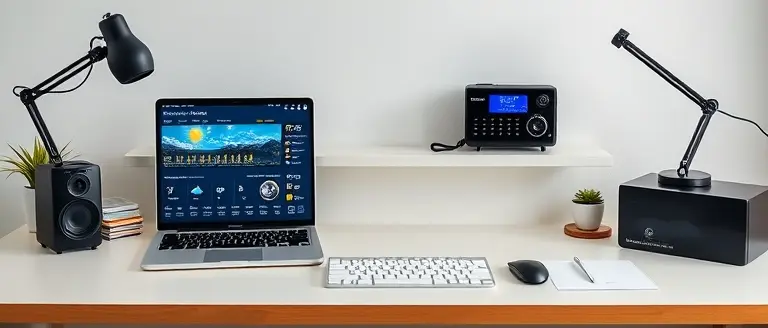
When a freeze watch is issued, timing is critical. Because these alerts are geographically precise—often targeting specific counties or zones—relying on generic national forecasts can leave you unprepared for localized temperature drops. The National Weather Service (NWS) remains the primary authority for these alerts, and utilizing their official tools ensures you receive data the moment it is released. By visiting weather.gov, you can enter your specific ZIP code to pull up the forecast tailored precisely to your area, helping you distinguish between a potential threat and an imminent event.
Mastering NWS Digital Tools
To ensure you are never caught off guard by a sudden late-season cold snap, consider the following methods to track alerts in real-time:
- NWS Local Forecast Offices: Bookmark the specific NWS office page for your region. These pages provide the most granular detail on timing, severity, and the potential impact on sensitive vegetation or infrastructure.
- Wireless Emergency Alerts (WEA): Ensure your smartphone settings allow for government weather alerts. Most modern devices receive push notifications for significant warnings, including freeze warnings and hard freeze events.
- NOAA Weather Radio: For those in rural areas or regions with spotty cellular service, a dedicated NOAA Weather Radio provides an essential, uninterrupted stream of alerts directly from the source.
- Mobile Apps and Push Notifications: Trusted weather apps that pull data directly from the NWS can be configured to alert you specifically when a freeze watch is active for your home or business location.
Understanding that these advisories change as atmospheric conditions shift is vital. A freeze watch indicates that sub-freezing temperatures are possible within 24 to 48 hours; as models update, this may be upgraded to a freeze warning if the threat becomes more certain. Monitoring these official channels twice daily during the volatile spring months allows you to move from passive observation to active protection of your garden and exposed home plumbing systems. Always prioritize alerts that mention your specific county, as microclimates can lead to drastic temperature variances even within a single state.
Take Control of Your Garden’s Resilience Today
While staying informed about a freeze watch is the vital first step, true preparedness lies in having the structural defenses already in place. Far too often, gardeners wait until the last minute to scramble for makeshift covers, only to find their efforts insufficient against a hard frost. The most effective way to ensure your garden survives the next temperature drop is by constructing durable, professional-grade garden frames, cloches, and pipe enclosures before the weather turns.
Don’t let the lack of technical knowledge leave your property exposed. Ted’s Woodworking is your ultimate preparedness toolkit, bridging the gap between identifying a risk and building a permanent, DIY solution. With access to 16,000 professional-grade blueprints, you gain the exact material lists and construction diagrams needed to build custom protective structures that safeguard your assets. Eliminate the guesswork and frustration of DIY construction and take total control over your home’s seasonal resilience.
Transform your property into a fortress against the elements. Whether you are building cold frames to extend your growing season or custom enclosures for exposed pipes, these blueprints provide the clarity and certainty you need to succeed. Empower yourself with the tools of a professional carpenter and ensure your garden remains safe, regardless of what the forecast holds for the remainder of spring.

Don’t leave your garden exposed to the next freeze; get instant access to 16,000 professional blueprints and start building your custom protective structures today.
Yes, I Want This Now!