
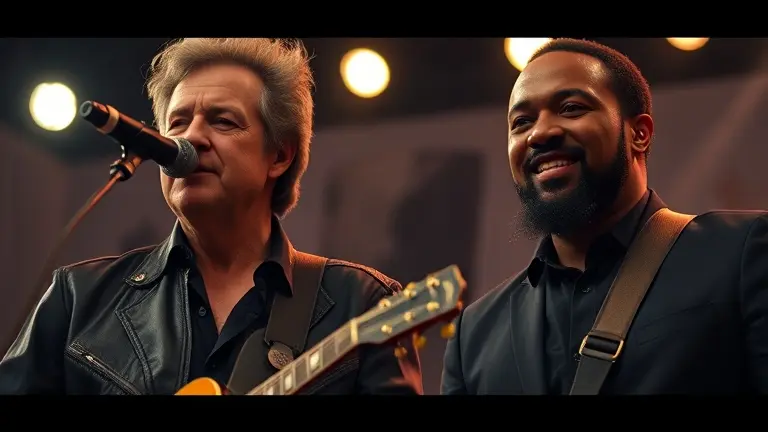
On this morning of July 21, 2026, the American cultural landscape shifted as the ACLU announced that Bruce Springsteen will be the inaugural recipient of the ‘Ralph Ellison Award for Defenders of Civil Liberties.’ Sharing this monumental honor with Colin Kaepernick, Springsteen finds himself at the center of a national conversation that is as polarizing as it is profound. For the man who once gave us the working-class anthem ‘Born in the U.S.A.,’ this award represents the final evolution of a career-long transition from stadium rocker to a deliberate, high-profile advocate for the American democratic ideal.
This pairing is no accident; it is a tactical alignment of two figures whose artistic and public lives have consistently challenged the status quo. While fans celebrate this recognition of Springsteen’s decades of social commentary, the announcement is already sparking intense discourse across the political spectrum. To understand the significance of this moment, we must look beyond the headlines and examine how Springsteen’s intellectual commitment to civil liberties mirrors the complexities of the nation he has spent his life singing about.
The ACLU’s Inaugural Ralph Ellison Award: Honoring Springsteen and Kaepernick
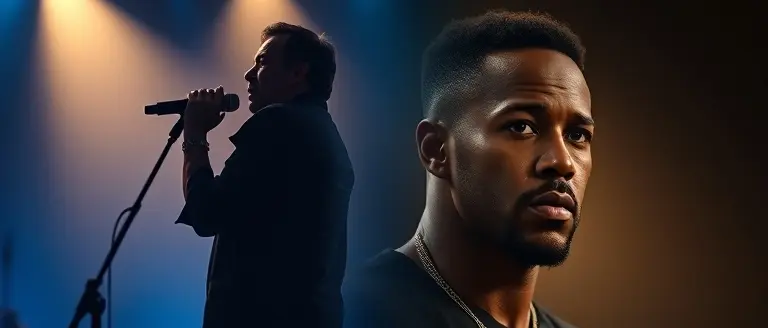
On July 21, 2026, the American Civil Liberties Union (ACLU) made a significant cultural statement by announcing that Bruce Springsteen and Colin Kaepernick will serve as the inaugural recipients of the Ralph Ellison Award for Defenders of Civil Liberties. This new honor is designed to recognize individuals who have leveraged their high-profile platforms to advocate for the rights and freedoms of marginalized communities. By selecting a legendary rock musician and a transformative athlete-activist, the ACLU has underscored the diverse ways in which public figures can influence the American political landscape and foster discourse on social justice.
Why These Icons Were Chosen
The selection of Springsteen and Kaepernick represents a deliberate bridge between generational activism and different modes of public expression. The ACLU’s decision to name this award after Ralph Ellison—a writer whose work deeply examined the complexities of identity and systemic inequality—sets a high bar for future recipients.
Key factors driving this recognition include:
- Decades of Advocacy: Bruce Springsteen has evolved from a blue-collar rock icon into a vocal proponent of civil rights, consistently using his music to address economic and social disparities in the United States.
- Cultural Impact: Colin Kaepernick remains one of the most significant figures in modern protest, having sparked a national conversation about police brutality and racial equity that transformed the intersection of sports and politics.
- Platform Leveraging: Both men have faced substantial public backlash for their political stances yet have maintained their commitment to the causes they champion, embodying the “defender” title the award represents.
This inaugural pairing is set to trigger significant public discourse across the political spectrum. While supporters view the award as a validation of these artists’ long-term contributions to civil discourse, others may argue that the choice reflects the ACLU’s own ideological alignment. Regardless of the reaction, the establishment of this award marks a new chapter in how major advocacy organizations interact with pop culture icons, cementing the role of celebrity as a primary catalyst for civil rights awareness in the 21st century.
A Legacy of Dissent: Mapping Springsteen’s Activism
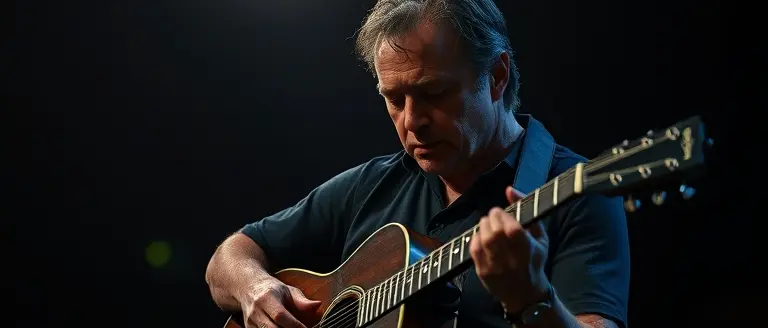
The inaugural ACLU ‘Ralph Ellison Award for Defenders of Civil Liberties’ serves as a definitive marker in the evolution of Bruce Springsteen. While casual listeners often associate the artist with the anthemic, stadium-ready hooks of the 1980s, his career has functioned as a sustained commentary on the American condition. From the gritty, working-class narratives of Born to Run to the stark, introspective portraits of disenfranchisement in Nebraska, Springsteen’s work has consistently prioritized the voices of those living on the margins of the American Dream. His journey from an observational songwriter to a vocal advocate for systemic change is not a recent development, but rather the logical maturation of an artistic identity built on empathy and social observation.
The Evolution of a Political Voice
Springsteen’s transition into a formal activist was punctuated by significant cultural milestones, most notably the complex public reception of “Born in the U.S.A.” By reclaiming the narrative of that track, he established a blueprint for how artists can challenge prevailing political orthodoxy. Over the last two decades, his advocacy has become more explicit, tackling issues ranging from voting rights to economic inequality.
His selection alongside Colin Kaepernick for this new award highlights a deliberate alignment between musical storytelling and modern civil rights activism. By pairing an iconic rocker with a polarizing athlete, the ACLU is bridging the gap between historical cultural protest and contemporary social justice movements. Key aspects of this trajectory include:
- Narrative Consistency: Using lyrics to expose the widening gap between institutional promise and the reality faced by the working class.
- Public Advocacy: Leveraging his massive platform to support social justice initiatives, reinforcing his brand as an artist who believes music must be tethered to public service.
- Cultural Intersections: Engaging with the legacy of figures like Ralph Ellison, whose work mirrored Springsteen’s focus on the complexities of American identity and the resilience of the human spirit.
Ultimately, this honor recognizes that for Bruce Springsteen, the stage has always been a platform for more than just performance—it is a space for dissent, dialogue, and the tireless pursuit of civil liberties.
Bridging Generations of Advocacy: The Shared Vision of Two Icons

The pairing of Bruce Springsteen and Colin Kaepernick for the inaugural ACLU ‘Ralph Ellison Award for Defenders of Civil Liberties’ signals a strategic effort to unite two distinct eras of American protest. While Springsteen emerged from the mid-20th-century tradition of folk-rock storytelling—using his platform to illuminate the struggles of the working class—Kaepernick represents the modern era of athlete-led social justice. Despite these generational differences, both figures have leveraged their immense cultural capital to challenge systemic inequality, often at the risk of alienating segments of their respective fanbases.
The Mechanics of Dissent
The ACLU’s decision to honor both men highlights a continuity in the pursuit of civil rights. Springsteen, whose activism evolved from the blue-collar narratives of the 1970s into a more direct political advocacy during his late career, has consistently used his music to explore the American experience. Conversely, Kaepernick’s pivot from professional football to activism focused on systemic racism and police brutality marked a turning point in how athletes engage with public policy. Key commonalities in their approaches include:
- Platform Utilization: Both individuals moved beyond their primary fields to demand accountability from national institutions.
- Persistent Advocacy: Each recipient has maintained their stance despite significant cultural pushback and polarizing political discourse.
- Symbolic Impact: By bridging the gap between rock-and-roll legacy and modern civil rights discourse, the award legitimizes the necessity of speaking out against institutional power.
By honoring these two icons, the ACLU is effectively weaving together the history of 20th-century protest music with the current landscape of athlete activism. This move acknowledges that whether through a stadium-filling anthem or a symbolic act on the gridiron, the core mission remains the protection of fundamental freedoms. The selection reflects a broader cultural recognition that social justice is a sustained marathon rather than a series of isolated events, marking a new chapter in how high-profile figures use their voices to influence the American landscape.
Public Discourse: Navigating the Cultural Pushback

The announcement of the inaugural ACLU ‘Ralph Ellison Award for Defenders of Civil Liberties’ has predictably triggered a bifurcated reaction across the American landscape. For supporters, the decision to honor Bruce Springsteen alongside Colin Kaepernick represents a definitive recognition of decades spent utilizing public platforms to advocate for the marginalized. Proponents argue that Springsteen’s evolution—from the working-class storytelling of his early career to his current role as a vocal champion of social justice—perfectly embodies the criteria for this award. By linking his legacy to Kaepernick, the ACLU is effectively framing the intersection of music and activism as a vital component of the modern civil rights dialogue.
However, the pairing of these two figures has reignited simmering tensions within the broader “Culture War.” Critics argue that such high-profile awards serve to further alienate segments of the public who prefer that artists remain apolitical. The discourse surrounding the award often reflects wider societal fractures regarding:
- The appropriateness of celebrity involvement in contentious legislative and civil rights debates.
- The perceived politicization of artistic contributions and their subsequent influence on public opinion.
- The role of non-profit organizations in amplifying specific political narratives via cultural icons.
This backlash highlights a growing trend where the mere acknowledgement of an artist’s political stance is met with intense public scrutiny. For Bruce Springsteen, this is not an entirely new phenomenon; he has navigated similar criticism since the misinterpretation of “Born in the U.S.A.” decades ago. Yet, by accepting this award, he solidifies his status as a permanent, albeit polarizing, fixture in the struggle for civil liberties. Whether viewed as a courageous stand or an divisive intervention, the discourse surrounding this honor confirms that the intersection of pop culture and politics remains one of the most volatile arenas in contemporary American life.
Sharpening Your Perspective in a Changing World
The ACLU’s recognition of Bruce Springsteen serves as a poignant reminder that true legacy is built not just on the notes we play, but on the principles we defend. As Springsteen’s public identity continues to evolve into that of a formal advocate, it challenges us all to remain intellectually engaged with the complex narratives defining our era. To fully grasp the depth of such cultural shifts, one requires not just passion, but a high level of cognitive stamina and analytical clarity.
Just as Springsteen’s work continues to sharpen our collective social consciousness, maintaining our own cognitive sharpness is essential to staying informed in today’s fast-paced media environment. This is where The Brain Song becomes an indispensable tool for the modern listener. By acting as a cognitive catalyst, this daily audio routine helps clear the mental fog that often obscures the nuances of complex social discourse, allowing you to process, analyze, and engage with the world’s most pressing issues with newfound focus and depth.
Aligning your mental wellness with your intellectual pursuits is the natural next step in mastering the information age. Whether you are deep-diving into historical legacies or keeping pace with the latest breaking news, enhancing your learning capacity ensures you are never just a passive observer. Elevate your own analytical edge today and ensure you have the mental clarity to truly understand the conversations that define our generation.
 Elevate your own mental focus and clarity to keep pace with the conversations that matter—discover how a simple 12-minute daily audio routine can sharpen your analytical edge.Transform My Mental Clarity Today!