

Twice a year, the United States collectively participates in a ritual that increasingly feels like a relic of a bygone era. As clocks jump forward or fall back, the Sunshine Protection Act (S. 623) resurfaces in headlines, promising to end the biannual disruption and cement permanent Daylight Saving Time (DST). Yet, despite overwhelming Senate support and broad public fatigue with the status quo, the legislation remains trapped in a persistent legislative deadlock. The promise of “more sunshine” has run head-first into a complex web of economic, logistical, and scientific realities that go far beyond the common arguments regarding school bus safety.
While many voters view the delay as mere political inertia, the truth is a delicate balancing act involving aviation logistics, international trade synchronization, and a fierce debate between the benefits of permanent DST versus the physiological preference for permanent Standard Time. As the national conversation circles back to this issue, the core of the problem remains: reconciling the human desire for longer summer evenings with the complex, interconnected systems that keep our country running. While we wait for Congress to find a path forward, the daily reality of circadian disruption and its associated cognitive toll remains an immediate concern for millions of Americans.
The State of the Sunshine Protection Act: Why the Clock Keeps Ticking

The Sunshine Protection Act (S. 623) represents one of the most curious cases of legislative deadlock in recent American history. Designed to make Daylight Saving Time (DST) the permanent national standard, the bill aims to eliminate the widely loathed biannual practice of “springing forward” and “falling back.” While the legislation achieved the rare feat of unanimous Senate approval in past sessions, it has consistently hit a wall in the House of Representatives. As of July 2026, the absence of movement on the bill highlights a growing disconnect between broad public support for “permanent sunshine” and the intricate logistical realities that lawmakers must balance before fundamentally altering the nation’s clock.
Legislative Roadblocks and Logistical Realities
The persistent stalemate in the House is not merely a result of political friction, but a reflection of deep-seated concerns regarding safety, commerce, and public health. Moving to permanent DST would result in later sunsets during the summer but significantly darker mornings during the winter months, particularly in northern latitudes. Critics and legislative skeptics have raised valid concerns regarding:
- Public Safety: Potential hazards for students waiting for school buses in total darkness during the winter morning commute.
- Economic Disruption: The impact on aviation, global financial markets, and the agricultural sector, which rely on synchronized time zones to manage trade and shipping logistics.
- Standard Time vs. DST: A crucial scientific nuance that often gets lost in the discourse; many health experts actually argue in favor of Permanent Standard Time over DST, citing circadian rhythm alignment as a priority for long-term health.
While public frustration peaks predictably during each clock change, the legislative path forward remains obscured. The current “state of play” suggests that unless lawmakers can reconcile the desire for longer evenings with the potential safety risks of winter mornings, the Sunshine Protection Act will likely remain a speculative subject of debate rather than a finalized federal law. The ongoing deadlock underscores the complexity of replacing a century-old system that impacts every facet of American infrastructure.
The Great Debate: Permanent DST vs. Permanent Standard Time
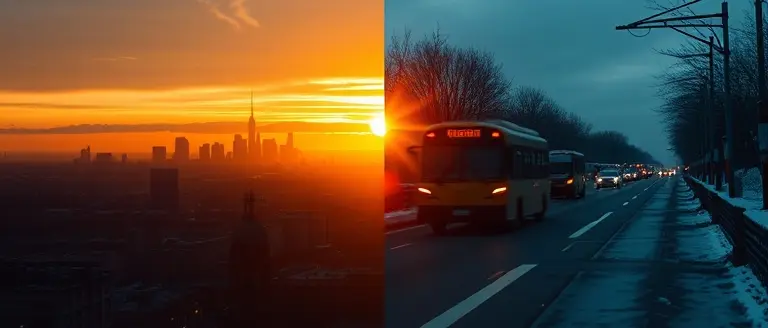
While the Sunshine Protection Act is colloquially viewed as the legislative vehicle to end the biannual clock change, a significant divide persists between the public’s desire for “permanent daylight” and the scientific consensus regarding human biology. To understand the legislative impasse, one must distinguish between the two primary proposals: Permanent Daylight Saving Time (DST), which shifts an hour of daylight from the morning to the evening year-round, and Permanent Standard Time, which maintains the sun’s alignment with the clock as established by time zones.
Chronobiology vs. Social Preference
The core of the debate pits social lifestyle preferences against the findings of chronobiologists. The public overwhelmingly favors Permanent DST because of the perceived benefit of extra evening sunlight, which is believed to boost the economy, increase outdoor recreation, and improve mental health. However, the scientific community—including organizations like the American Academy of Sleep Medicine—argues that our biological clocks are hardwired to morning light.
- Permanent Standard Time: Experts argue this is the “healthier” option because it keeps social time in alignment with solar time. When the sun hits its highest point at noon, it facilitates better sleep hygiene and aligns with the body’s internal circadian rhythm.
- Permanent DST: While popular, this model forces citizens to start their days in complete darkness for a larger portion of the winter. Evidence suggests this “misalignment” can lead to increased seasonal affective disorder (SAD), cognitive fatigue, and higher rates of traffic accidents during early morning commutes.
The tension between these two options remains a significant, if under-reported, roadblock for federal lawmakers. While the Sunshine Protection Act proposes permanent DST, proponents of a move to permanent standard time argue that the government risks trading an annoying clock change for a permanent state of biological stress. As long as this scientific disagreement remains unresolved, legislative progress will likely continue to stall, leaving voters caught in the middle of a tug-of-war between evening leisure and biological equilibrium.
Logistical Roadblocks: The Complexity of America’s Time Zones

While the Sunshine Protection Act garners significant public support, the path to permanent Daylight Saving Time (DST) is obstructed by profound logistical and regional challenges. The primary issue lies in the geographic reality of the United States; because the sun does not rise or set simultaneously across time zones, a shift to permanent DST would result in stark disparities in daylight accessibility. In northern states, such as Maine or Washington, moving to permanent DST would force sunrise to occur as late as 8:30 or 9:00 a.m. during the depths of winter. This creates a dangerous ripple effect for morning commutes and school bus schedules, as children would be forced to wait for transport in total darkness, significantly increasing the risk of traffic-related accidents.
Beyond public safety, the transition complicates the machinery of cross-state commerce. The US economy relies on synchronized schedules across the agricultural, aviation, and financial sectors. If the federal government mandates a single time policy, industries operating across state lines—particularly those bordering states that might attempt to maintain Standard Time—would face a fragmented operational landscape.
Key logistical hurdles include:
- Trade Disruptions: Shifts in daylight hours impact the “golden hour” for logistics, affecting shipping windows and peak productivity periods for global trade partners.
- Regional Daylight Imbalance: The geographic spread means the “sunshine” gains enjoyed by one region are effectively offset by the loss of morning light in another, creating localized economic winners and losers.
- Regulatory Patchwork: Without total federal unity, the risk of a “checkerboard” of time zones across the country would impose heavy compliance costs on businesses, particularly for telecommunications and scheduling software that relies on standardized UTC offsets.
Ultimately, the debate is not merely about preference but about balancing social desire for evening light against the rigid requirements of a highly integrated, continental economy. As evidence suggests, the House remains hesitant because a nationwide mandate lacks the flexibility required to accommodate the vastly different needs of, for example, a rural agricultural community in the Midwest versus a metropolitan hub on the East Coast.
The Economic and Safety Trade-offs of a Fixed Clock

The debate surrounding the Sunshine Protection Act often ignores the granular friction points that keep the legislation stalled in the House. While public sentiment generally favors the convenience of later sunsets, economists and public safety advocates highlight significant risks associated with permanent Daylight Saving Time (DST). The primary concern revolves around “morning darkness”—shifting sunset times later in the year forces sunrise times into the 8:00 AM or 9:00 AM hour during deep winter. This change creates a dangerous environment for commuters and school children, potentially increasing traffic accidents and pedestrian fatalities before the sun has fully risen.
Industry Resistance and Legislative Roadblocks
The opposition to the Sunshine Protection Act is not merely bureaucratic; it is deeply rooted in the operational requirements of several massive US sectors. Industry lobbyists have successfully voiced concerns that prevent a floor vote in the House:
- Aviation and Logistics: International flight schedules and global trade rely on synchronized time zones. A unilateral shift to permanent DST in the US would create ongoing scheduling conflicts with international partners who maintain standard time, increasing costs and logistical complexity for the airline industry.
- Agriculture: Farmers rely heavily on natural daylight for early morning operations. Permanent DST would disrupt these traditional workflows, potentially requiring labor shifts that complicate supply chain logistics during critical harvest seasons.
- Retail and Energy: While proponents argue that extra evening sunlight boosts retail spending, energy consumption data is mixed. Evidence suggests that while some consumer spending increases, the demand for morning heating and lighting during dark winter months could negate energy efficiency gains, making the net economic impact a point of significant contention.
Ultimately, the transition to a fixed clock requires balancing the popular desire for “permanent sunshine” against the systemic realities of a globalized economy. Until a consensus is reached regarding the specific public health risks of winter darkness, the legislation remains caught in a gridlock between Senate approval and House skepticism.
Reclaiming Your Focus in a Shifting World
The legislative journey of the Sunshine Protection Act serves as a stark reminder that systemic change is often slower than the pace of our daily lives. As we navigate the ongoing debate between permanent daylight savings and the nuances of standard time, the physiological impact on our collective health remains an overlooked casualty. Regardless of what happens on the House floor, your brain is still subject to the biological stress of seasonal transitions, often manifesting as persistent brain fog and diminished mental stamina.
While the halls of Congress continue to debate the logistics of the clock, you do not have to wait for a legislative solution to optimize your mental performance. We designed The Brain Song as a proactive personal calibration tool, providing neuro-auditory stimulation that helps you maintain cognitive clarity and mental sharpness despite the environmental and light-cycle stressors surrounding you. By integrating this routine, you gain a sense of control over your own wellbeing, ensuring that your focus remains ironclad no matter the season.
Think of this not just as a tool, but as a necessary reset for your nervous system in an unpredictable world. Reclaim your mental equilibrium today and stop letting environmental flux dictate your cognitive capacity.
 Regain your mental clarity now; discover how the 12-minute Brain Song routine helps you stay sharp through every seasonal shift.Yes, I Want This Now!