

The 2026 major championship season has officially reached its conclusion, leaving golf fans to digest the aftermath of a dramatic British Open at Royal Birkdale. With the headlines currently dominated by Ryan Fox’s triumphant performance and the ongoing strategic debates surrounding titans like Bryson DeChambeau and Scottie Scheffler, the sport now shifts into its annual off-peak phase. As we look toward the 2027 horizon, the conversation among serious enthusiasts has naturally migrated from the intensity of the Masters or the U.S. Open toward long-term venue projections and the evolving technical standards of the game.
This transition period is not merely a break from the action; it is a critical window for those who appreciate the ‘craft’ of the game to sharpen their own focus. Whether it is analyzing the nuances of course architecture or contemplating the mechanical adjustments needed for the next campaign, the spirit of the game thrives on preparation. For the dedicated fan, this is the ideal time to pivot from passive consumption to active, structural planning, ensuring that your skills and projects are ready long before the first tee shot of the 2027 season is struck.
The Post-Major Landscape: Why The Masters is Currently Out of Focus

As of July 20, 2026, the professional golf landscape has shifted entirely away from the spring traditions of The Masters at Augusta National. Following the conclusion of The Open Championship at Royal Birkdale, the sporting world’s attention is firmly locked on the immediate aftermath of the final major of the season. With Ryan Fox celebrating a hard-fought victory and the golf community dissecting the performance gaps between stars like Bryson DeChambeau and Scottie Scheffler, any current focus on the Green Jacket remains premature and largely irrelevant to the prevailing news cycle.
Understanding the 2026 Golf Calendar
The professional golf season operates on a strict cyclical rhythm, and we are currently in a period defined by post-major consolidation rather than early-season anticipation. Because The Masters is traditionally held in April, it is currently in its natural off-season, meaning there is no tactical value in analyzing the course or player odds for a tournament nearly a year away. Instead, current search trends prioritize:
- Post-Major Analysis: Detailed evaluations of the 2026 British Open leaderboard and pivotal moments from Royal Birkdale.
- Player Performance Narratives: Ongoing discussions regarding the current state of rivalries involving top-ranked players.
- 2027 Major Projections: Speculative reporting on upcoming venue rotations and the shifting landscape of professional golf.
By pivoting away from “The Masters” keyword during this mid-summer window, content creators can better serve an audience actively looking for analysis of recent events. Evidence suggests that golf enthusiasts are far more interested in the lingering controversies and performance metrics resulting from the most recent championship than in speculative, off-season content regarding the next trip to Augusta. For those tracking the sport, the focus is now on the conclusion of the 2026 slate and how these recent outcomes will define the narratives leading into next year’s major rotation.
Analyzing the Royal Birkdale Fallout: Ryan Fox’s Historic Win

The conclusion of the 2026 Open Championship at Royal Birkdale has sent shockwaves through the professional golf landscape, culminating in a career-defining victory for Ryan Fox. As the golfing world shifts its gaze away from the recent major cycle, the fallout of Fox’s historic performance remains the primary focal point for analysts and fans alike. Fox’s tactical masterclass on the punishing links of Birkdale demonstrated a level of composure that separated him from a crowded leaderboard featuring perennial contenders and the sport’s biggest names. By navigating the notoriously difficult bunkers and unpredictable coastal winds with clinical precision, Fox secured his place in history, effectively altering the trajectory of the 2026 season.
Tactical Mastery at Royal Birkdale
The challenges presented by the Royal Birkdale layout tested the physical and mental fortitude of the entire field. While spectators often look toward the Masters and other American majors for high-scoring spectacles, this year’s Open required a return to traditional, grit-based golf. Ryan Fox’s strategy relied on low, punchy iron play and an impeccable short game, which served as the blueprint for his success. Key takeaways from his victory include:
- Strategic Course Management: Fox’s avoidance of the treacherous deep-pot bunkers, which derailed the campaigns of favorites like Scottie Scheffler and Bryson DeChambeau.
- Mental Resilience: Maintaining a sub-par scoring pace despite the immense pressure of a Sunday charge from the chasing pack.
- Ranking Implications: This victory has significantly bolstered Fox’s position in the World Golf Ranking, moving him into the upper echelon of international players and setting the stage for his 2027 campaign.
The aftermath of this major championship has also reignited debates regarding parity in professional golf. With recent controversies involving high-profile players still lingering, Fox’s win offers a refreshing narrative of meritocracy. As the professional tour transitions into the late summer stretch, the impact of his win at Royal Birkdale serves as a benchmark for excellence that will undoubtedly influence expectations for the upcoming 2027 season and beyond.
The Scheffler vs. DeChambeau Rivalry: Analyzing Ongoing Golf Controversies

The professional golf landscape remains polarized as the 2026 major season concludes, with the discourse shifting away from the pageantry of The Masters and toward the intense clash of philosophies represented by Scottie Scheffler and Bryson DeChambeau. While the 2026 British Open at Royal Birkdale has settled, the stylistic divide between these two titans continues to define the sport’s modern era. Scheffler maintains a traditionalist, precision-based approach that emphasizes consistency and mental composure, whereas DeChambeau continues to push the boundaries of sports science, data-driven training, and experimental equipment configurations.
Key Factors in the Philosophical Divide
The tension between these two icons transcends mere scorecard comparisons. Fans and analysts are increasingly divided over how the game should be played at the highest level:
- Methodology: Scheffler’s reliance on fundamental ball-striking and tactical course management represents the “old guard” of professional excellence.
- Innovation: DeChambeau’s aggressive utilization of swing speed training and biomechanical optimization challenges traditional course architecture, often forcing tournament organizers to reconsider setup standards.
- Media Impact: Following the 2026 Open Championship, reports highlight how their contrasting off-course personas—Scheffler’s reserved nature versus DeChambeau’s outspoken, analytical style—have fueled social media debates that mirror the broader fragmentation within professional golf.
Evidence suggests that this rivalry is not merely a transient conflict but a fundamental debate on the future of the game. As the tour looks toward the 2027 schedule, the industry remains fixated on whether the strategic advantages of the “Scheffler model” will continue to hold up against the sheer power and unconventional engineering brought to the course by DeChambeau. This ongoing friction remains the most compelling narrative as the tour transitions into its next cycle, overshadowing the usual off-season speculation regarding the next masters tournament.
Looking Ahead to 2027: Major Championship Venue Projections
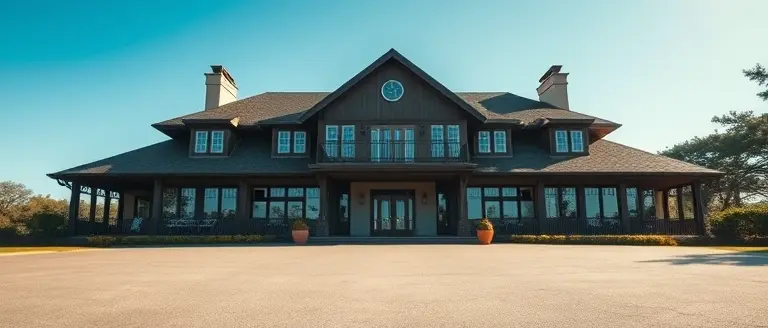
As the professional golf world catches its breath following a high-stakes 2026 British Open, the conversation has officially shifted toward the 2027 calendar. While fans often look toward The Masters as the traditional herald of the spring season, the immediate focus is now on the architectural tests and venue rotations that will define the upcoming major cycle. Early projections suggest that course selection will prioritize strategic diversity, rewarding ball-strikers who can navigate the nuances of firm fairways and challenging green complexes. Given the recent dominance of players like Ryan Fox and the tactical evolution shown by competitors like Bryson DeChambeau and Scottie Scheffler, course setups for 2027 are expected to be refined to mitigate long-driving advantages through more strategic bunker placement and increased rough height.
The 2027 rotation will likely feature a blend of historic favorites and modern tests of endurance. Expert analysis indicates that the governing bodies are leaning toward venues that challenge the modern power game, necessitating a return to traditional layouts that emphasize accuracy over raw distance.
Key Factors for the 2027 Major Cycle:
- Strategic Venue Selection: A deliberate move toward classic courses that demand high-level approach play rather than pure speed.
- Player Narrative: The 2026 momentum carried by top-tier contenders will set the betting odds early, with particular interest in how current major winners adjust their preparation schedules.
- Geographic Balance: A balanced distribution of events across traditional hubs and emerging markets to maximize viewership and logistical efficiency.
- Environmental Preparedness: Enhanced irrigation and turf management strategies to ensure that major venues remain competitive regardless of weather volatility in the spring and summer months.
As planning committees finalize the 2027 major schedules, the overarching theme remains the protection of the game’s integrity. For fans and analysts alike, the off-season provides a prime opportunity to dissect how current form will translate to next year’s championship venues, ensuring the sport remains as competitive and unpredictable as the just-concluded 2026 campaign.
Master Your Craft Beyond the Fairway
As the dust settles on an electrifying 2026 major season, the professional golf circuit enters a period of quiet reflection and strategic planning. Much like the pros and course designers who spend these months meticulously evaluating every angle and detail to prepare for the 2027 season, you now have the perfect window of opportunity to channel that same analytical discipline into your own personal pursuits. Transitioning from a passive observer of golf history to an active creator of your own legacy is the most rewarding way to spend this off-season gap.
Just as the experts spend the off-season meticulously planning the course layouts for 2027, you can channel that same focus into mastering your own projects at home with the right set of professional blueprints. Ted’s Woodworking serves as your personal off-season masterclass, providing the technical certainty and precision-grade plans required to turn your speculative visions into concrete, tangible achievements. Stop relying on trial-and-error frustration and instead adopt the systematic approach of a true craftsman.
By utilizing this library, you are replacing vague guesswork with a professional-grade roadmap, ensuring that every project you undertake reaches a championship level of quality. Don’t let your productive energy fade with the conclusion of the major championships; take the blueprint for success and apply it to your workshop today.
 Stop waiting for the next major and start building your own masterpiece; explore the 16,000+ professional plans in Ted’s Woodworking library today.Start My Masterpiece Today!