
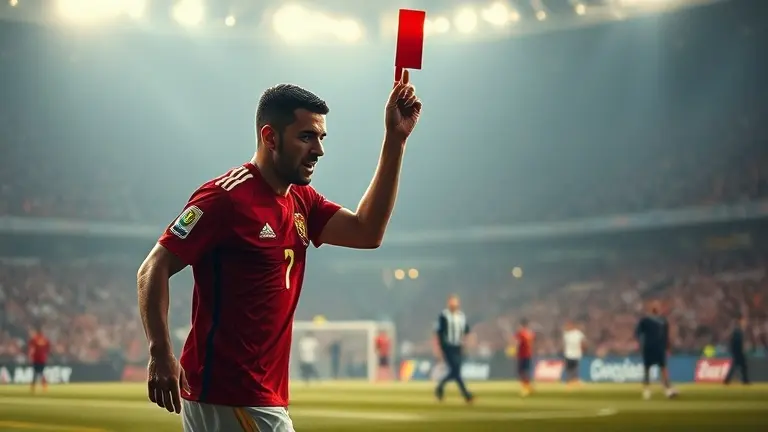
The final whistle of the 2026 FIFA World Cup did not signal a quiet end to the tournament, but rather the ignition of a new, fiery chapter in international football rivalries. As Spain celebrated a hard-fought 1-0 victory to claim their second title, the stadium erupted in tension, culminating in the shocking Leandro Paredes red card incident. The sight of the Argentine midfielder forcefully pushing Gavi to the ground has since transcended sports highlights, sparking a global debate about discipline, sportsmanship, and the boiling-over frustrations of a team failing to secure their ultimate goal.
While much of the media has focused on the sensationalist nature of the brawl, this moment is merely the tip of a much deeper, more tactical narrative. For those looking beyond the headlines, the Paredes-Gavi altercation serves as a gateway to understanding the intense psychological landscape of the 2026 cycle. By examining the context leading up to this World Cup 2026 controversy—including the reactions of legends like Otamendi and the analytical breakdown of player behavior—we can gain a clearer perspective on why even the world’s top professionals lose their composure when the stakes reach a breaking point.
The 2026 World Cup Final: Spain’s Victory and the Leandro Paredes Incident
The 2026 FIFA World Cup concluded with a historic 1-0 victory for Spain, marking their second world title in a tightly contested final against Argentina. While the match itself was a tactical masterclass defined by defensive discipline and high-stakes transitions, the post-match narrative was unexpectedly hijacked by a high-profile disciplinary incident. As the final whistle signaled the end of Argentina’s title defense, tensions that had simmered throughout the ninety minutes erupted in the center of the pitch.
The Paredes-Gavi Altercation
The primary focus of post-match scrutiny centers on a physical confrontation involving Argentine midfielder Leandro Paredes and Spanish star Gavi. As players began to migrate toward the touchlines, footage shows a frustrated Paredes aggressively pushing Gavi to the ground. The referee, observing the behavior as a direct violation of conduct standards despite the match being technically concluded, issued an immediate Paredes red card. This decision underscored the tournament’s strict officiating policy regarding player behavior in the final moments of play.
Impact of the Controversy
The aftermath of the match saw the Paredes-Gavi altercation dominate global headlines, arguably overshadowing the trophy presentation and Spain’s celebratory lap. Key insights regarding the fallout include:
- Media Saturation: Major outlets like USA TODAY and the Associated Press noted that the brawl created an unseemly spectacle for the millions of viewers watching the tournament finale.
- Disciplinary Context: While Otamendi and other senior squad members attempted to de-escalate the situation, the intensity of the World Cup 2026 controversy highlighted the mounting frustrations of the Argentina squad during the 2026 cycle.
- Sportsmanship Debate: Analysts have called for a broader review of late-game emotional control, as the incident served as a stark contrast to the professional display shown by the Spanish side during their victory celebration.
This event has sparked a polarized debate across social media, with fans divided between those who view the intensity as an inevitable byproduct of a World Cup final and those who believe the conduct of the paredes argentina player warrants further sanctions from FIFA’s disciplinary committee.
Analyzing the Paredes-Gavi Altercation: Disciplinary and Tactical Context
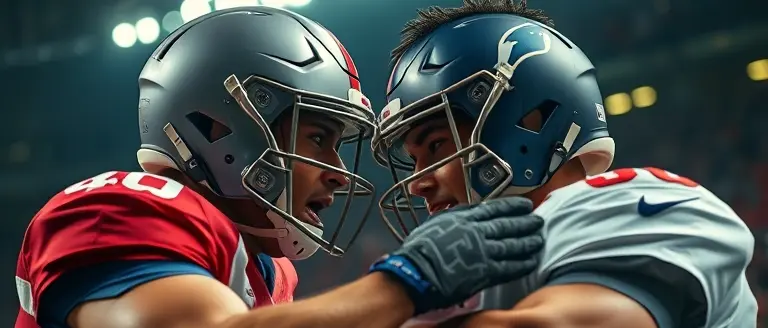
The Paredes-Gavi altercation during the 2026 FIFA World Cup Final represents a culmination of mounting tensions throughout a highly physical match. As Spain secured their 1-0 victory, the competitive atmosphere reached a breaking point, resulting in the Argentine midfielder, Leandro Paredes, shoving the Spanish starlet to the ground immediately after the final whistle. While the game clock had expired, the referee’s decision to issue a Paredes red card aligns with strict FIFA disciplinary protocols, which maintain that the official’s authority remains absolute from the moment they enter the pitch until they vacate it.
Tactical Frustrations and Physicality
The incident underscores the tactical exhaustion that often characterizes high-stakes international football. Throughout the final, Argentina faced significant difficulty breaking down the Spanish defensive structure, a frustration that was visibly mounting among veteran players like Otamendi and Paredes. By the final whistle, the physical nature of the game had transitioned into emotional volatility. Key factors influencing this boiling point included:
- The high-stakes pressure of a World Cup Final, where a single goal dictates the outcome.
- The aggressive man-marking strategies employed by both teams, which kept tempers short.
- A perceived lack of control during transition phases that exacerbated on-field confrontations.
FIFA Disciplinary Protocols Post-Match
Many fans questioned the validity of a red card issued after the match had concluded. However, according to FIFA disciplinary guidelines, player conduct is monitored throughout the entire period the players are on the field. Because the parades argentina player initiated physical contact with gavi spain while officials were still present, the referee maintained the jurisdiction to sanction the behavior. This ruling serves as a cautionary precedent, emphasizing that “sportsmanship” remains a mandatory requirement even after the final whistle has blown. The incident has since sparked a global debate on whether the intensity of the 2026 tournament cycle contributed to this unnecessary display of aggression.
World Cup 2026 Controversy: Sportsmanship and Media Fallout
The World Cup 2026 controversy following the final whistle has ignited a fierce global debate regarding the standards of professionalism expected from elite athletes. The incident, which saw Leandro Paredes receive a direct red card for a physical altercation with Spanish midfielder Gavi, has dominated social media discourse, with clips of the shove trending across every major digital platform. While many analysts argue that the intensity of a World Cup final creates a pressure-cooker environment, others maintain that such displays of aggression undermine the spirit of the beautiful game, especially on its grandest stage.
Behavioral Perspectives and Media Reaction
The fallout centers on two distinct schools of thought regarding the Paredes-Gavi altercation:
- The Disciplinary Perspective: Critics argue that the parades argentina player failed to maintain composure during a pivotal moment, tarnishing his legacy by engaging in a post-match brawl. Officials have noted that a red card post-whistle is a rare but necessary disciplinary action to prevent mass confrontation.
- The Emotional Volatility Defense: Proponents suggest that the raw emotional output of losing a World Cup final makes such outbursts inevitable. In this view, players like Otamendi and his teammates were likely caught in a cycle of frustration after Spain secured their 1-0 victory, turning a sporting defeat into a flashpoint for physical conflict.
The media coverage, led by major outlets, has shifted from the tactical brilliance of the Spanish squad to the behavioral lapse of the Argentine midfield. This focus has forced a broader conversation about whether FIFA should implement stricter sanctions for post-match conduct. As the dust settles on the 2026 tournament, the image of Leandro Paredes leaving the pitch in disgrace serves as a sobering reminder of how quickly the narrative can pivot from athletic achievement to a public relations crisis. For fans, this event remains a defining, albeit negative, legacy of the 2026 cycle.
The Legacy of the Final: Moving Beyond the Conflict

While the Paredes-Gavi altercation has dominated the post-match news cycle, it is essential to contextualize this incident within the broader framework of the 2026 FIFA World Cup Final. Spain’s 1-0 victory was a tactical masterpiece, showcasing a level of disciplined possession and defensive organization that ultimately neutralized the high-octane Argentine attack. Despite the frustration displayed by Leandro Paredes, the reality remains that Spain outplayed their opponents, controlling the tempo and successfully stifling the creative influence of the Argentina squad, including defensive stalwarts like Otamendi.
History often remembers the drama of the final whistle, but the long-term narrative of this tournament will be defined by Spain securing their second world title. The tension between the two nations has been building throughout the 2026 cycle, with high-stakes international matchups creating a pressure-cooker environment. When emotions spill over—as seen in the Paredes red card incident—it is often a symptom of the intense competitive stakes rather than a reflection of the sport itself.
To better understand the magnitude of this final, we must look at the key elements that solidified the Spanish triumph:
- Tactical Resilience: Spain’s ability to transition seamlessly between attacking phases and low-block defense during critical late-game minutes.
- Control of Midfield: How the Spanish pivot managed the physical presence of Argentine midfielders to prevent counter-attacks.
- Defining Rivalries: The broader significance of Spain vs. Argentina fixtures in modern football, which have evolved into a clash of distinct tactical philosophies.
Ultimately, while the images of the scuffle will be replayed for years, they should not diminish the achievement of the Spanish side. World Cup history is punctuated by moments of high emotion and controversy, but these chapters serve as footnotes to the ultimate victory of the tournament champions. As the dust settles, the football world will inevitably shift its focus back to the tactical evolution and the brilliance that characterized Spain’s road to glory in 2026.
Beyond the Breaking News: Mastering Your Mental Edge
The incident involving Leandro Paredes and Gavi at the 2026 World Cup Final serves as a stark reminder of how thin the line is between peak athletic performance and total emotional breakdown. While the red card has dominated social media, the real story lies in the immense psychological pressure inherent in modern international football. Analyzing these controversies requires more than just reactive outrage; it demands the mental clarity to synthesize match-day tactics, historical rivalries, and the sheer human weight of the world’s biggest stage.
Just as elite athletes struggle to maintain focus under the suffocating tension of a global final, many fans report feeling mentally drained by the relentless cycle of viral drama and fragmented sports reporting. This cognitive fatigue is the enemy of true understanding. When your mind is cluttered with the noise of post-match brawls, you lose the ability to see the game for what it truly is: a complex, tactical chess match.
This is where The Brain Song becomes an essential tool for the analytical observer. By enhancing your cognitive clarity and focus, The Brain Song helps you rise above the emotional “fog” caused by intense news cycles. It is designed to sharpen your analytical edge, allowing you to synthesize complex sporting narratives with precision and calm, ensuring you are always looking past the headlines. It is the natural next step for anyone who values depth over drama.
 Unlock your cognitive potential and sharpen your focus to better analyze the game behind the drama with The Brain Song.Sharpen My Focus Now!