
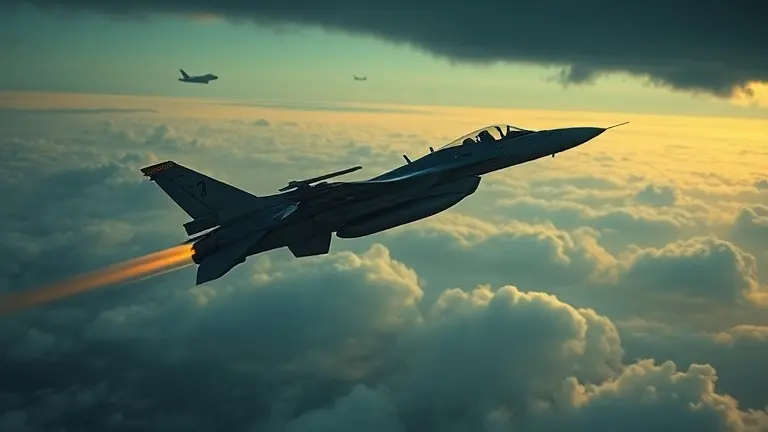
On July 19-20, 2026, the skies over New Jersey became the stage for a high-stakes security operation as the world turned its eyes to the FIFA World Cup Final at MetLife Stadium. With President Donald Trump in attendance, the North American Aerospace Defense Command (NORAD) initiated a rapid-response protocol, deploying F-16 fighter jets to intercept more than 10 unauthorized aircraft that had breached critical Temporary Flight Restrictions (TFRs). These incidents, which spanned the areas surrounding East Rutherford and Bedminster, left many observers questioning how such significant airspace violations occur during global events, and why the military response must be so swift and uncompromising.
The reality of securing airspace for high-profile events involves complex layers of communication, navigational precision, and split-second decision-making. For pilots and air traffic controllers, operating within these volatile, high-security zones demands more than just technical proficiency; it requires an exceptional level of cognitive throughput and unwavering mental focus. Understanding the intersection of these strict FAA protocols and the realities of human error provides a clearer view of why these interceptions remain a necessary, albeit chaotic, pillar of modern national security.
The July 2026 Incident: NORAD Intercepts Over New Jersey
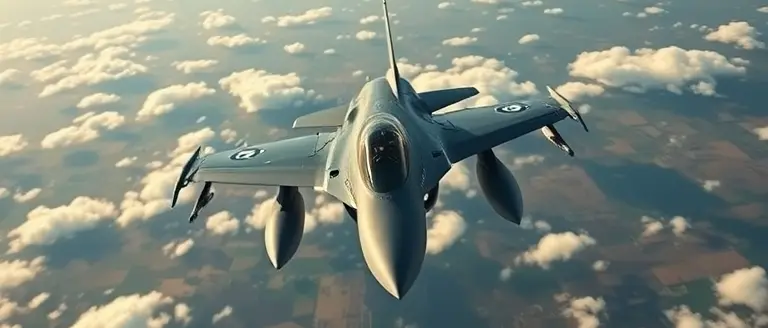
The security atmosphere surrounding the July 19–20, 2026, FIFA World Cup Final at MetLife Stadium in East Rutherford reached a heightened state of alert due to the attendance of President Donald Trump. To ensure the safety of the President and the thousands of international spectators, the North American Aerospace Defense Command (NORAD) implemented a massive protective umbrella over the region. Central to this operation was the enforcement of Temporary Flight Restrictions (TFRs), which created a no-fly zone around the stadium and nearby Bedminster. Despite these clear, publicized warnings, NORAD was forced to initiate a rapid, high-stakes response when more than 10 aircraft breached the restricted perimeter.
Understanding the Tactical Response
The interception of these unauthorized vessels demonstrated the rapid response capabilities of the U.S. military. Upon detecting the airspace incursions, NORAD scrambled F-16 fighter jets to conduct visual identifications and redirect the non-compliant pilots. The swift deployment of these combat assets serves as a reminder of the strict security protocols enacted during high-profile events. The primary factors contributing to these incidents include:
- Navigational Errors: Many pilots operating in the dense New York metropolitan airspace failed to verify active NOTAMs (Notice to Air Missions).
- Communication Lapses: Several intercepted aircraft were reportedly unaware of the specific boundaries of the TFRs, which were expanded specifically for the presidential visit and the global sporting event.
- Proximity Concerns: The proximity of Bedminster to the flight corridors leading into the New Jersey stadium created a complex security environment that demanded zero-tolerance enforcement.
Ultimately, while no malicious intent was identified, the sheer frequency of these norad new jersey airspace violation events highlights the critical intersection between civilian flight and national security. The precision of the F-16 response underscored the military’s commitment to maintaining an inviolable defense perimeter, even when faced with accidental incursions. Authorities continue to stress that operators of private and commercial aircraft must prioritize the constant monitoring of flight advisory systems during large-scale national security events to prevent further operational strain on defense command resources.
Understanding Temporary Flight Restrictions (TFRs) and VIP Security
When a norad new jersey airspace violation occurs, it is rarely due to malicious intent, but rather a complex interaction between civilian navigation and stringent federal security protocols. Temporary Flight Restrictions (TFRs) are specialized FAA notices that define specific areas of airspace where flight is prohibited or restricted, often implemented during high-profile events or presidential movements. In the case of the FIFA World Cup Final at MetLife Stadium, these TFRs were expanded significantly to encompass both the stadium and nearby areas like Bedminster, where President Donald Trump was present. These zones are not standard flight corridors; they are dynamic, legally enforced perimeters that demand high situational awareness from every pilot in the region.
The Mechanics of Airspace Enforcement
The primary challenge during such high-stakes events is the sheer volume of general aviation traffic that must be diverted in real-time. Standard FAA regulations allow for routine flight planning, but a TFR supersedes these procedures, requiring pilots to actively check Notices to Air Missions (NOTAMs). When a pilot inadvertently wanders into this restricted zone, the reaction from NORAD fighter jets—specifically F-16s—is instantaneous and calibrated to neutralize potential threats before they reach high-value targets.
Key factors in these airspace incidents include:
- Dynamic Geofencing: Unlike permanent restricted areas, TFRs for VIPs can move and evolve, requiring constant updates from the FAA.
- Communication Lapses: Many incursions occur when pilots fail to monitor the designated emergency frequencies that NORAD or Air Traffic Control uses to warn aircraft.
- Technological Disconnect: While modern avionics provide alerts, pilots who rely solely on legacy GPS units or visual flight rules (VFR) may miss updated NOTAMs regarding restricted, temporary no-fly zones.
The interception of more than 10 aircraft during the World Cup weekend highlights the logistical friction between the demand for civilian flight paths and the absolute necessity of maintaining a “sterilized” aerial environment for global leaders. By deploying rapid-response interceptors, NORAD ensures that even minor navigational errors are addressed with the precision required to uphold national security standards.
Why Pilots Stray: The Reality of Airspace Navigation Errors

The recent NORAD new jersey airspace violation incidents during the FIFA World Cup Final underscore the complex challenges of managing flight safety in one of the world’s most congested corridors. When NORAD fighter jets are scrambled to intercept aircraft, the primary driver is often a failure to account for Temporary Flight Restrictions (TFRs). These zones, implemented to secure high-profile events or presidential movements, demand absolute precision from civilian pilots. Unfortunately, even experienced aviators can fall victim to a convergence of human error and technological oversights, leading to rapid escalations in security protocols.
Common Factors Leading to TFR Breaches
Several recurring issues contribute to the frequency of airspace violations in the Northeast corridor:
- Failure to Consult NOTAMs: The most common cause is the oversight of Notice to Air Missions (NOTAMs). These digital bulletins are essential for identifying active TFRs, yet pilots sometimes rely on outdated pre-flight briefings that fail to capture real-time changes necessitated by sudden security adjustments.
- Technological Dependency: Many modern cockpits rely on GPS-based navigation systems. If these databases are not updated with the latest restricted coordinates, the pilot may inadvertently fly a path that appears clear on their screen while physically violating a protected zone.
- Spatial Confusion in Dense Airspace: The New York/New Jersey area features a complex web of overlapping controlled and restricted airspace. In high-density environments, subtle miscalculations in heading or altitude—compounded by the pressure of managing busy radio frequencies—can lead to unintended drift into restricted sectors.
The deployment of F-16 aircraft serves as a necessary, albeit high-stakes, tool to maintain national security. These interceptions are rarely the result of malice; instead, they are symptomatic of the “human factor,” where communication gaps or procedural complacency meet the rigid, unforgiving requirements of modern security mandates. Understanding these navigation risks is the first step toward improving compliance and ensuring the safety of both civilian pilots and those on the ground at major international events.
The NORAD Response Protocol: Speed, Precision, and Public Safety
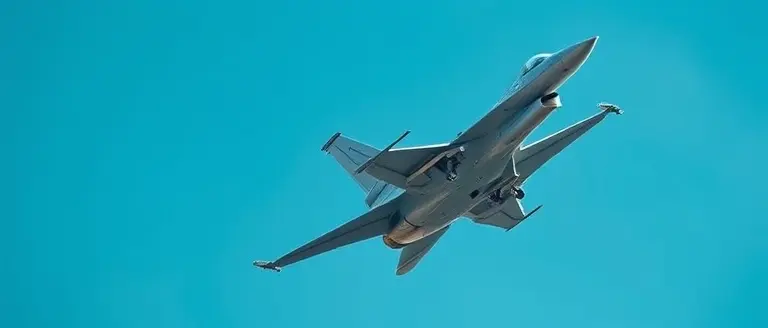
When a NORAD new jersey airspace violation occurs, the operational response is immediate, calculated, and highly standardized. The North American Aerospace Defense Command (NORAD) utilizes a sophisticated network of radar and sensor data to monitor the National Airspace System continuously. During high-profile security events, such as the FIFA World Cup Final or presidential movements, the FAA implements Temporary Flight Restrictions (TFRs). When a civilian pilot inadvertently or intentionally enters these restricted zones, the escalation process follows a rigid, non-punitive protocol designed to maintain national security and public safety.
The Operational Escalation Process
The transition from a standard flight to a military interception happens in seconds. The response generally follows these systematic steps:
- Detection and Identification: NORAD monitors track transponder signals and primary radar returns. If an aircraft enters a TFR, it is immediately flagged as a “Track of Interest.”
- Radio Communication: Air Traffic Control (ATC) or regional military command centers attempt to reach the pilot on the guard frequency (121.5 MHz). Pilots are instructed to contact ATC immediately or vacate the restricted airspace.
- Visual Intercept: If communication fails or the aircraft remains on a threatening trajectory, NORAD dispatches NORAD fighter jets, typically F-16 Fighting Falcons. These aircraft perform visual identification maneuvers to communicate with the pilot via international standard signals.
- Guidance or Interdiction: The fighter jets act as a escort to direct the aircraft out of the prohibited zone or, if necessary, toward an airport for landing and questioning by law enforcement.
These maneuvers are not acts of aggression, but rather essential security measures to safeguard large crowds and protected figures. The speed of the F-16 response ensures that no unauthorized vehicle can approach sensitive locations like MetLife Stadium or Bedminster undetected. By maintaining a high state of readiness, NORAD ensures that airspace integrity remains absolute, preventing potential air safety disasters during globally televised events.
Sharpen Your Mental Edge for High-Pressure Performance
The swift response of NORAD during the World Cup underscores a fundamental reality of our time: whether you are navigating a restricted airspace or managing the complex demands of a high-pressure career, the margin for error is razor-thin. True safety and peak performance rely on the unwavering precision of the human mind. Just as air safety depends on the absolute focus of those in the cockpit and the control tower, maintaining your own mental clarity in stressful environments is the defining factor between success and a critical lapse.
To navigate the noise and information-heavy environments of today, you need more than just intent—you need a professional-grade approach to cognitive health. This is where The Brain Song becomes an essential tool. By utilizing neuroscience-based auditory stimulation to combat mental fog and enhance sustained focus, this unique regimen offers the clarity required for complex decision-making. It is the natural bridge for those who understand that elite performance is built upon the foundation of a sharpened, resilient mind.
Integrating this 12-minute daily routine into your schedule allows you to tap into the same level of cognitive precision demanded in safety-critical roles. By optimizing your mental throughput, you can approach any challenge with the calm, decisive accuracy of a professional. Now is the time to elevate your focus and master your environment.
 Experience the same level of cognitive precision and mental clarity that safety-critical roles demand; start your 12-minute daily routine with The Brain Song today.Transform My Mental Clarity Today!