
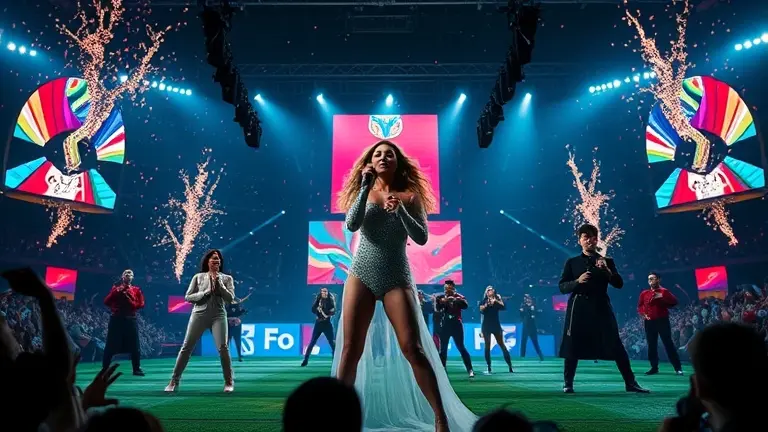
When the first-ever official FIFA World Cup Final halftime show kicked off on July 18, 2026, at the New York New Jersey Stadium, the world witnessed an unprecedented collision of culture. Curated by Chris Martin and headlined by Shakira, the 11-minute set served as a kaleidoscopic fever dream—featuring the likes of Madonna, BTS, and Justin Bieber, with surreal interludes from Burna Boy, Ronaldinho, and a memorable cameo by Jason Sudeikis in his Ted Lasso persona. Yet, as the internet continues to dissect this ‘Super Bowl-ification’ of soccer, the conversation has shifted from the star power itself to the logistical friction of the event.
While fans remain divided over the ‘Americanization’ of the beautiful game, the spectacle raises a deeper question regarding the architecture of entertainment. How do you condense such immense, global-scale chaos into a cohesive 11-minute experience? The performance was a polarizing display of ambition, proving that even with the biggest names in music and sports, the lack of a perfectly engineered, structural blueprint can turn a grand vision into a logistical scramble. As we look beyond the viral memes, we must analyze whether this high-intensity, multi-act format is truly the future of global sport, or simply a blueprint for creative exhaustion.
The July 18 Spectacle: When the World Cup Became a Super Bowl
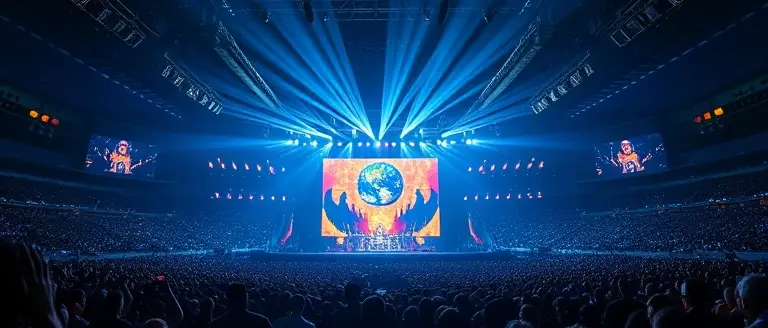
The 2026 FIFA World Cup Final at New York New Jersey Stadium will be remembered as the moment the beautiful game underwent a seismic shift in production value. Curated by Chris Martin, the inaugural half time show world cup final was a blistering 11-minute masterclass in logistical ambition. By cramming Shakira, Madonna, BTS, and Justin Bieber into a single, tightly choreographed set, FIFA successfully mimicked the high-octane atmosphere of the American Super Bowl. However, this “Americanization” of the global tournament has triggered a fierce debate regarding the preservation of sporting tradition versus the demands of modern entertainment commercialization.
The Logistics of a Viral Moment
Packing such high-profile talent into an 11-minute window required a level of precision that bordered on the chaotic. To manage the transitions between global superstars, organizers relied on rapid stage-shifting technology, yet the true complexity lay in the cameos. The inclusion of Burna Boy provided a much-needed rhythmic bridge, while the appearance of Jason Sudeikis—appearing in his iconic Ted Lasso persona—alongside soccer legend Ronaldinho, served as a jarring, surreal peak to the performance.
Key takeaways from the spectacle include:
- Curatorial Intensity: The curation by Chris Martin focused on high-energy transitions, though the sheer volume of world cup halftime show performers left little room for individual acts to breathe.
- The Cultural Divide: While social media erupted with memes, fans remain split. Purists argue that the spectacle distracted from the tension between Spain and Argentina, while industry analysts praise the move for reaching non-traditional soccer audiences.
- Economic Reality: Despite the star power on display, reports indicate that artists received no traditional performance fees, a point of controversy highlighting the prestige—and the marketing reach—that FIFA now commands.
Ultimately, the event solidified the World Cup’s entry into a new era of “mega-event” status. Whether this format becomes a permanent fixture remains to be seen, but the sheer noise generated by this production confirms that soccer is no longer just a sport; it is now the world’s most lucrative stage.
The Ronaldinho-Ted Lasso Paradox: Scripted Entertainment Meets Global Sport
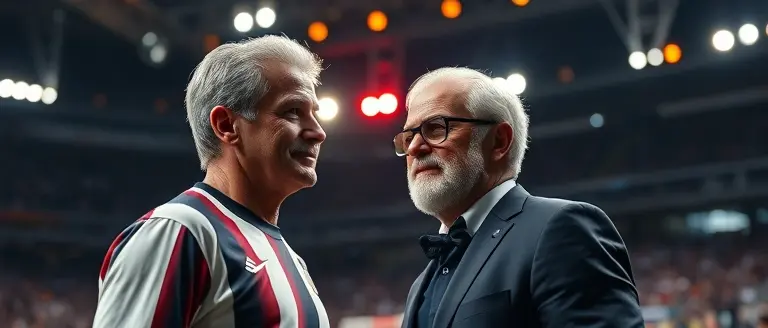
The appearance of Ronaldinho alongside Jason Sudeikis in his Ted Lasso persona during the 2026 FIFA World Cup final halftime show served as the ultimate visual metaphor for the “Americanization” of global soccer. By placing a genuine legend of the sport within the same frame as a fictional, scripted coach, FIFA signaled a definitive shift toward a hybrid model of sports and mass-market entertainment. While Shakira and fellow performers brought undeniable star power to the 11-minute set, the surreal interaction between these two distinct figures highlights a growing tension between traditional sports culture and the demand for constant, high-octane spectacle.
This fusion of realities suggests a strategic pivot to capture the attention of a younger, digitally native demographic that consumes content through the lens of memes and viral crossovers. However, the move has ignited a polarizing debate among purists and casual viewers alike:
- The Pro-Spectacle Argument: Proponents view the inclusion of Burna Boy, Shakira, and even a sitcom lead as a necessary evolution to compete with events like the Super Bowl. They argue that this “fan-centric” approach expands the sport’s footprint in the US market, transforming the World Cup halftime show performers into a bridge between entertainment and athletics.
- The Purist Critique: Traditionalists argue that the involvement of scripted characters like Ted Lasso creates a jarring detachment from the sport’s roots. They contend that by prioritizing commercial cross-promotion, FIFA risks diluting the sanctity of the final match between Spain and Argentina, turning an organic, high-stakes sporting event into a curated, artificial production.
Ultimately, whether this “chaos” serves as a catalyst for growth or a symptom of over-commercialization remains to be seen. The Ronaldinho-Ted Lasso paradox captures the current state of modern sports: a world where the line between a legendary career on the pitch and a character-driven narrative has become increasingly thin, signaling a new era for how we experience the world’s most popular game.
The ‘Americanization’ Debate: Pros and Cons for the Global Fanbase
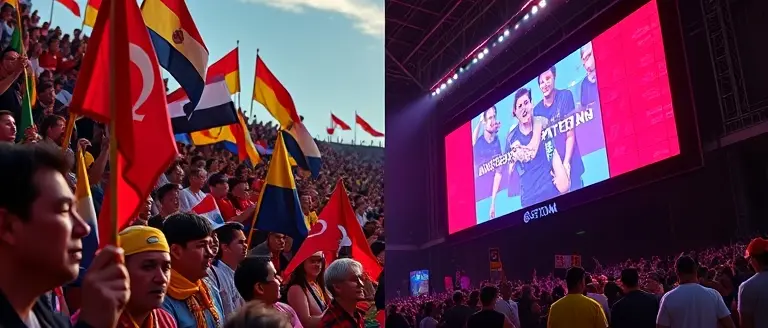
The introduction of an 11-minute halftime show during the FIFA World Cup Final has ignited a fierce debate regarding the ‘Americanization’ of global soccer. By adopting a format popularized by the NFL’s Super Bowl, FIFA is clearly pivoting toward a high-production entertainment model designed to maximize mainstream visibility. The presence of global icons like Shakira, Madonna, and BTS, coupled with the surreal inclusion of Burna Boy and even the fictional Ted Lasso, signals a definitive shift toward cross-media event culture.
The Argument for Commercial Expansion
Proponents of this structural change argue that the evolution is necessary to maintain the sport’s relevance in an increasingly fragmented digital media landscape.
- Expanded Reach: Integrating pop culture heavyweights draws in a non-traditional audience who might otherwise bypass a standard athletic broadcast.
- Cultural Cross-Pollination: Events like the one at the New York New Jersey Stadium bridge the gap between music, cinema, and sport, creating a monolithic event that transcends borders.
- Commercial Viability: Increased engagement provides immense leverage for sponsors, potentially funding infrastructure and development programs within FIFA.
The Risks of Diluting Tradition
Conversely, many soccer purists argue that the spectacle threatens the spirit of the sport. The inclusion of figures like Ronaldinho in a scripted, cameo-heavy production is viewed by some as an uncomfortable shift where the game itself becomes secondary to the performance.
- Loss of Identity: Critics fear the dilution of soccer-specific customs, transforming the tournament into a commercial product rather than a celebration of athletic prowess.
- Alienation of Core Fans: The ‘chaotic’ nature of fitting high-profile acts into such a brief window can feel disjointed and forced, leading to resentment among supporters who prioritize the match’s tension over elaborate world cup halftime show performers.
- Primary vs. Secondary: When the spectacle overshadows the tactical depth of a final between global titans like Spain and Argentina, the sanctity of the pitch is fundamentally challenged.
Whether this trend continues will likely depend on viewership metrics and brand sentiment, but for now, the clash between traditional sporting values and the allure of massive entertainment revenue remains a defining controversy of the modern era.
The Future of FIFA: Can Global Sport Survive the Pop Culture Machine?
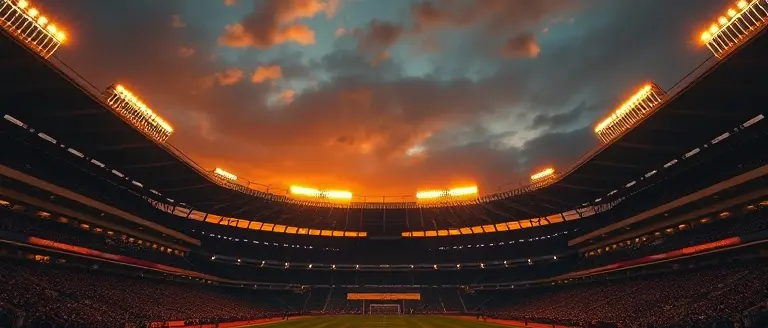
The 2026 spectacle at the New York New Jersey Stadium, featuring Shakira, Madonna, and BTS, marks a definitive pivot toward the “Super Bowl-ification” of international soccer. By importing the high-octane, celebrity-driven halftime show model into the World Cup final, FIFA has signaled that the sport must now compete as a multi-platform entertainment franchise rather than a singular athletic pursuit. This transition raises pressing questions about whether the soul of the game can coexist with a production-heavy format that demands viral, 11-minute segments capable of capturing social media discourse. While critics argue this “Americanization” dilutes the traditional reverence for the sport, the commercial reality suggests this trajectory is likely permanent.
The Trade-off: Spectacle Versus Authenticity
Integrating figures like Ronaldinho alongside the fictional Ted Lasso created a surreal, meta-narrative that blurred the lines between scripted television and real-world athletic achievement. This convergence presents both risks and rewards for the future of FIFA:
- Expanded Demographics: The inclusion of pop superstars like Justin Bieber and surprise guest Burna Boy guarantees reach beyond typical sports audiences, bolstering viewership metrics in non-traditional soccer markets.
- Cultural Dilution: Purists fear that the “Pop Culture Machine” threatens to overshadow the athletes. When an 11-minute halftime show becomes the focal point of the global conversation, the nuance of the match itself risks becoming secondary.
- Logistical Pressures: Future host nations will now face immense pressure to match or exceed this level of star-studded production, potentially prioritizing entertainment budgets over infrastructure.
Evidence suggests that FIFA is prioritizing global reach and commercial appeal over the “traditional FIFA atmosphere.” While the success of this inaugural halftime show sets a high bar, it remains to be seen if future host cities can balance the demand for viral celebrity appearances with the preservation of the sport’s historic integrity. Ultimately, the survival of the game’s core identity depends on whether organizations can prevent the “Pop Culture Machine” from consuming the very competition it is intended to elevate.
Precision Over Chaos: Master Your Own Craft
The 2026 World Cup halftime show was a masterclass in high-stakes spectacle, but it also highlighted a critical truth: even the most ambitious, star-studded productions can feel disjointed when the underlying framework isn’t perfectly aligned. Whether it is an 11-minute musical extravaganza featuring icons like Shakira and surprise guests, or a complex DIY endeavor in your own backyard, success hinges entirely on the quality of your blueprint.
Just as the producers of this event struggled to harmonize the disparate energies of global pop icons and sports legends, attempting to build complex projects without a reliable, step-by-step guide is a recipe for frustration. You don’t need to leave your creative masterpieces to chance or amateur guesswork. You deserve the same level of structural integrity that separates a chaotic, messy performance from a flawlessly executed, professional-grade result.
Stop struggling with vague instructions and guesswork. By accessing the professional blueprints used by master builders, you can ensure that every single project you undertake—from initial concept to final assembly—is engineered for success. Take control of your next project with the clarity and precision that only top-tier plans can provide.
 Stop struggling with amateur blueprints and start building your own masterworks with the exact precision of a professional—get the 16,000 plans used by experts here.Transform My Projects Today!