
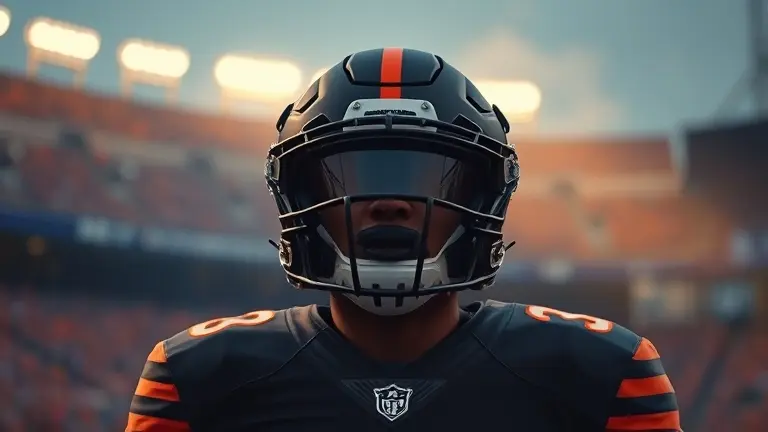
As the Chicago Bears prepare to descend upon training camp, the atmosphere surrounding the franchise is thick with both athletic anticipation and municipal anxiety. Team President and CEO Kevin Warren has effectively placed the organization’s future on a dual-track strategy: on the field, a revamped linebacker corps is being tuned to dominate, while off the field, the high-stakes chess match involving stadium development and property tax negotiations continues to shape the team’s long-term viability. For the die-hard fan, these aren’t separate narratives—they are the twin pillars of a new era, where the strength of the defensive front is matched only by the structural ambition of the organization’s home.
This state-of-the-franchise moment requires more than just box score analysis; it demands an understanding of how complex, large-scale planning dictates the success of any endeavor. As we head into the 2026 season, the connection between organizational stability and championship culture has never been more evident. In this deep dive, we bridge the gap between roster projections and the logistical blueprints defining the Bears’ future, exploring how the precision of modern infrastructure projects mirrors the tactical execution required on the gridiron.
Chicago Bears 2026: The State of the Franchise Ahead of Training Camp
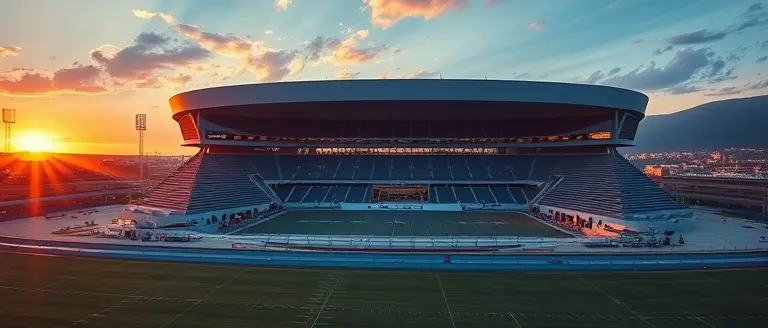
As the Chicago Bears gear up for the 2026 training camp, the organization finds itself at a pivotal crossroads where on-field ambition meets off-field complexity. Team President and CEO Kevin Warren has steered the conversation toward long-term organizational stability, emphasizing that the path to a championship requires as much diligence in the boardroom as it does on the gridiron. Central to this “State of the Franchise” narrative is the ongoing stadium development project. Warren’s recent public statements highlight the importance of securing a sustainable venue that aligns with the team’s competitive aspirations, a process currently complicated by tense negotiations regarding local property tax assessments and regional infrastructure integration.
Balancing Infrastructure with Roster Excellence
The administrative uncertainty regarding the team’s future home serves as a backdrop to a high-stakes season, yet the focus remains firmly on the revamped linebacker group and the tactical evolution of the squad. While fans are naturally attuned to roster turnover and the promise of a revitalized defense, the connection between a stable franchise identity and player performance is undeniable. By addressing the logistics of the stadium saga alongside the tactical shift in defensive depth, the Bears are attempting to project a unified vision of professional excellence. Key areas of focus for stakeholders include:
- Stadium Due Diligence: The front office is prioritizing a data-driven approach to stadium viability, balancing costs against the long-term economic impact on the Chicago community.
- Fiscal Responsibility: Ongoing property tax discussions are essential for ensuring that the franchise remains financially flexible for future roster investments.
- Organizational Momentum: A clear, publicly stated vision from the leadership suite is designed to insulate the players and coaching staff from external distractions as they shift their full attention to the 2026 season.
Ultimately, the goal for 2026 is to synthesize these complex administrative developments with an aggressive, well-disciplined team identity. By managing expectations through transparent communication, the Chicago Bears aim to build a foundation that supports both sustainable success in the NFL and a lasting legacy within the city of Chicago. As training camp commences, the cohesion between leadership’s fiscal strategy and the coaching staff’s schematic implementation will define the trajectory of the franchise for years to come.
The Revamped Linebacker Core: Defensive Analysis for 2026
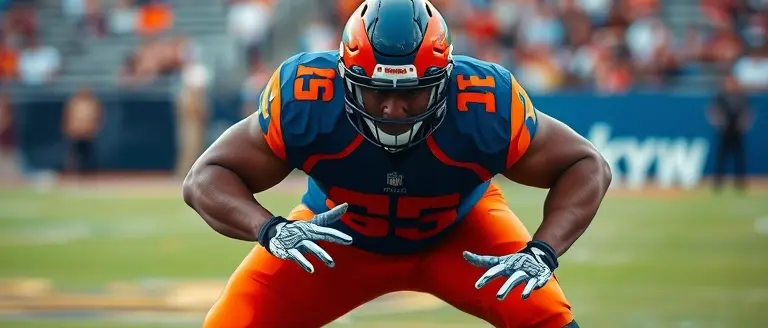
As the Chicago Bears approach the 2026 training camp, the defensive strategy hinges on a significantly overhauled linebacker group. After an offseason defined by tactical acquisitions and strategic refinement, the front office has clearly prioritized speed and versatility to combat the modern, high-octane offensive schemes prevalent in the NFC North. The shift in defensive personnel suggests a transition toward a more fluid, sub-package-heavy alignment, designed to neutralize elite tight ends and dual-threat quarterbacks who have historically challenged the team’s intermediate coverage.
Evolution of Defensive Schemes
The coaching staff has emphasized a “position-less” approach to the second level of the defense, where linebackers are expected to exhibit high football IQ during complex pre-snap reads. By integrating veteran leadership with explosive young talent, the Bears are banking on a scheme that remains aggressive while minimizing the spacing gaps that hindered the unit last season. Analysts note that this revamped core is uniquely positioned to execute varied blitz packages, forcing opposing signal-callers to adjust under pressure.
- Breakout Candidates: Focus remains on second-year players stepping into full-time roles, whose athletic profiles suggest they could become elite coverage assets.
- Versatility Factor: The ability of this unit to drop into deep zones while simultaneously maintaining gap integrity against the run will be the primary benchmark for success.
- Performance Metrics: Success in 2026 will be measured by third-down conversion rates allowed and the frequency of “three-and-out” defensive series.
This unit’s cohesion is not merely a sports performance priority; it represents the defensive anchor necessary to maintain momentum while the organization navigates broader municipal challenges. By establishing a dominant presence on the field, the linebacker core provides the stability that fans look for during this transitional phase of the franchise.
Training Camp Roster Projections: Top Battles to Watch
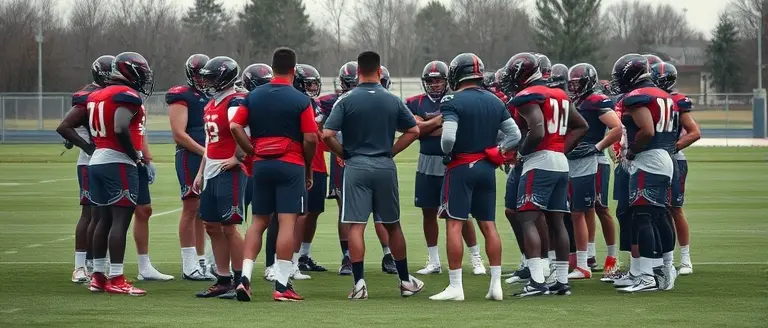
As the Chicago Bears report to the 2026 training camp, the atmosphere is defined by a calculated blend of organizational ambition and high-stakes roster competition. While team President Kevin Warren continues to navigate the complexities of stadium development and municipal tax logistics, the coaching staff is laser-focused on finalizing a depth chart capable of competing in an evolving NFC North. The most immediate point of intrigue lies within the revamped linebacker group, where veteran stability meets emerging athletic potential. The competition here is not merely about talent acquisition but about finding the right synergy to anchor the defensive scheme throughout a grueling 17-game season.
Critical Positional Competitions
The upcoming weeks will serve as the definitive evaluation period for several key units. Coaching decisions made during these sessions will directly dictate the team’s identity heading into the regular season opener. Fans and analysts should monitor the following battles closely:
- Linebacker Rotation: With the recent personnel overhaul, competition for the “Mike” and “Will” spots remains fluid. Evidence suggests that the coaching staff is prioritizing high-IQ players who can process pre-snap motions quickly, potentially favoring veterans who have mastered the defensive playbook over raw, unproven talent.
- Secondary Depth: The battle for the third and fourth cornerback slots remains wide open. Consistent performance in high-pressure drill scenarios will be the deciding factor for depth players fighting to secure a spot on the 53-man roster.
- Offensive Line Stability: Establishing a consistent starting five remains a top priority. Training camp provides the essential testing ground for interior linemen to demonstrate their ability to handle interior pass-rush specialists, a necessity for protecting the team’s long-term offensive investment.
These internal skirmishes underscore a broader organizational push toward excellence. Whether these players solidify their roles depends on their ability to translate practice production into game-day execution, setting the tone for a pivotal chapter in the Bears franchise history.
Bridging the Gap: How Stadium News Impacts Team Identity

As the Chicago Bears prepare for the 2026 training camp, the organization finds itself operating in a dual reality. On the field, the team is undergoing a critical transformation, particularly with a revamped linebacker group designed to anchor a high-intensity defense. Off the field, President/CEO Kevin Warren is navigating a complex administrative labyrinth involving stadium development and ongoing local property tax concerns. While casual observers may view these as separate silos, the front office’s long-term business strategy is fundamentally linked to the team’s on-field identity. A stable, modern home is not just a venue; it is a vital component of the franchise’s cultural infrastructure, signaling to players and fans alike that the organization is committed to sustained excellence.
Connecting Business Stability to Roster Success
The narrative surrounding the Chicago Bears stadium saga often centers on political friction and municipal due diligence, yet these logistical hurdles create a backdrop of uncertainty that permeates the entire franchise. When leadership—led by Kevin Warren—provides clear direction on infrastructure, it fosters an environment of confidence that trickles down to the locker room. A unified organizational vision is essential for attracting elite talent and maintaining morale during the grueling months of the NFL season.
The intersection of these two worlds influences the franchise in several key ways:
- Cultural Cohesion: A clear stadium roadmap mitigates off-field distractions, allowing players to focus entirely on performance metrics and schemes.
- Investment Signals: Successful navigation of property tax and infrastructure negotiations signals financial health, which is essential for long-term roster retention and salary cap management.
- Fan Engagement: By bridging the gap between stadium logistics and roster analysis, the front office creates a holistic narrative that keeps the fanbase invested, even during the quiet transition from the offseason.
Ultimately, the goal for the 2026 season is to ensure that the excitement generated by the new-look roster is matched by the stability of the franchise’s administrative foundation. As fans evaluate the team’s prospects for the upcoming campaign, the ability of the front office to resolve these complex external pressures will likely play a silent, yet significant, role in the Chicago Bears’ long-term championship trajectory.
Building Your Own Legacy Beyond the Gridiron
The Chicago Bears stand at a critical intersection, where the raw intensity of a revamped linebacker corps meets the bureaucratic complexity of long-term infrastructure planning. Whether it is Kevin Warren’s stadium vision or the tactical adjustments on the field, the message is clear: success is never accidental—it is the result of meticulous, high-stakes engineering. You are witnessing a franchise attempting to build a lasting legacy, piece by piece, blueprint by blueprint.
Just as the Chicago Bears are navigating the complex, high-stakes blueprints of their new stadium future, you can master your own precision projects with the same level of structural integrity. You no longer have to rely on vague plans or inferior guesswork when embarking on your own ambitions. Our featured resource offers the technical certainty required for those who demand excellence in their craft, mirroring the exact standards needed for major infrastructure endeavors.
By integrating these professional-grade resources into your repertoire, you transform from a casual observer into the architect of your own results. It is time to stop settling for incomplete information and start executing with the confidence of a master builder. Secure your own ‘stadium-grade’ blueprint library and master your next project today.
 Stop relying on vague plans; secure your own ‘stadium-grade’ blueprint library and master your next project today.Yes, I Want to Start Building Like a Pro!