

The return of Major League Baseball following the All-Star break brings an electrifying clash as the Marlins vs Brewers series opens at American Family Field. While the Brewers aim to solidify their dominance atop the NL Central and the Marlins fight to reverse their recent momentum, a subtle yet significant narrative looms over the diamond: the unpredictable impact of regional air quality. For the thousands of fans planning to fill the stands, the atmosphere is as much about environmental vigilance as it is about witnessing the next chapter in the development of young phenoms like Eury Pérez.
This matchup represents more than just a box score; it is a critical test of how modern franchises adapt to fluctuating conditions. As air quality alerts prompt ongoing discussions about stadium scheduling and player safety, the physical toll on both athletes and spectators cannot be ignored. We move beyond the standard odds and starting lineups to investigate how these environmental realities influence professional performance and what it truly takes for fans to remain game-day ready when the air quality is less than ideal.
Marlins vs. Brewers: The Second Half Resumes Amidst Environmental Concerns

The Marlins vs. Brewers matchup on July 17, 2026, serves as a pivotal bridge between the festivities of the All-Star break and the grueling intensity of the MLB’s second-half push. As play resumes at American Family Field, the stakes could not be more divergent for the two clubs. The Milwaukee Brewers enter this series firmly in command of the NL Central, leveraging a cohesive roster to maintain their division lead. Conversely, the Miami Marlins are facing a critical juncture; coming off a difficult stretch, they are desperate to snap a losing streak and reclaim their competitive footing as they look to develop young talent like Eury Pérez for the long term.
Beyond the box score, this game is overshadowed by significant environmental challenges. Localized air quality alerts in the Milwaukee area have forced MLB officials and the Brewers’ organization to navigate complex decision-making processes regarding stadium conditions. Unlike rain delays, which are governed by clear meteorological protocols, air quality concerns introduce a variable that impacts player performance, breathing, and overall athlete safety.
Environmental Impact and Scheduling Logic
The ongoing concerns regarding regional air quality have highlighted the evolving intersection of climate issues and professional sports management. Key factors currently being monitored include:
- Player Health Protocols: Medical staffs are monitoring oxygen intake and respiratory comfort for athletes, particularly during high-exertion pitching and fielding.
- Organizational Decision-Making: Front offices are in constant communication with the league to determine if shifting the 7:40 PM ET start time is necessary to avoid peak particulate concentrations.
- Fan Experience and Safety: While American Family Field features a retractable roof, the decision to seal the facility depends on air filtration efficiency versus internal temperature regulation, directly affecting fan attendance patterns.
As the second half of the season kicks off, the focus remains on whether the Marlins can stabilize their pitching rotation with Sandy Alcantara at the helm while the Brewers attempt to stave off the heat—both on the diamond and in the atmosphere. This game is more than a standard series opener; it is a testament to the modern challenges professional organizations face when trying to maintain a standard schedule in an unpredictable environment.
The Impact of Climate on MLB Scheduling and Player Performance

The July 17, 2026, matchup between the Marlins vs Brewers at American Family Field has brought the intersection of climate and professional sports into sharp focus. As air quality concerns mount, the MLB is facing increasing pressure to formalize protocols that address environmental volatility. Beyond the standard game-day logistics, stakeholders are now questioning how extended exposure to degraded air quality affects player endurance, respiratory health, and overall performance during a grueling 162-game season. Evidence suggests that even minor fluctuations in air quality indices can impact stamina and recovery times, creating an uneven playing field that goes beyond traditional metrics like pitch velocity or batting average.
Rethinking Game-Time Protocols
The league is currently navigating a period of uncertainty, where “scheduled as planned” notifications are no longer sufficient to satisfy players and fans. The potential for air quality to disrupt high-stakes series necessitates a more transparent decision-making process. To mitigate these risks, the league is observing:
- Integrated Monitoring Systems: Real-time tracking of localized air quality data to trigger automated safety evaluations.
- Flexible Scheduling Mandates: Developing contingency frameworks that allow for delayed start times or site pivots without compromising the competitive integrity of the season.
- Athlete Wellness Standards: Implementing specific rest and conditioning adjustments for players when environmental conditions fall outside of safe, pre-defined tiers.
For athletes, especially pitchers like those on the Marlins’ rotation, breathing compromised air directly impacts oxygen intake, which is critical for maintaining late-game precision. As environmental shifts become more frequent, the league must transition from reactive management to proactive policy, ensuring that the health of the players remains a priority as they chase post-season berths. This evolution is not just a logistical necessity for the Marlins vs Brewers series; it is a fundamental shift in how the sport will operate in a changing climate.
NL Central Stakes: Tactical Breakdown of the Brewers’ Division Run
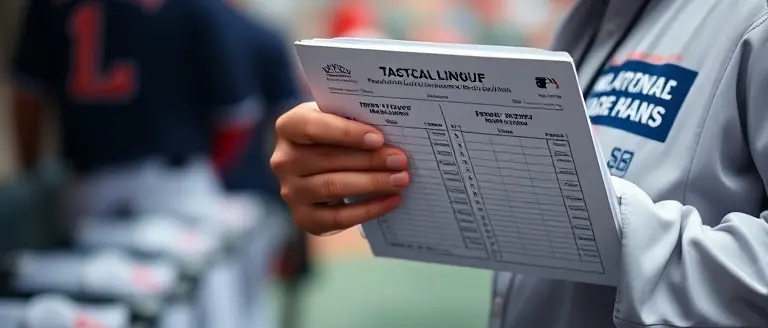
As the second half of the 2026 season commences, the Milwaukee Brewers find themselves at a pivotal juncture in their pursuit of the NL Central title. Maintaining their current division lead requires more than just sustained momentum; it demands a tactical execution that mitigates late-season fatigue and capitalizes on high-leverage home series like this one against the Marlins vs Brewers matchup. The Brewers’ strategy has leaned heavily on a versatile bullpen and opportunistic offensive production, allowing them to remain resilient despite a condensed schedule.
Strategic Advantages and Roster Depth
The Brewers’ dominance in the division is rooted in a clear philosophy: superior pitching depth and defensive discipline. By minimizing walks and leveraging analytical defensive shifts, Milwaukee has effectively neutralized opposing lineups in high-pressure scenarios. As they face the Marlins, the tactical focus centers on:
- Starting Pitching Consistency: Maintaining quality starts to preserve the bullpen for the closing innings.
- Situational Hitting: Improving the team’s batting average with runners in scoring position (RISP).
- Home-Field Leverage: Utilizing American Family Field to dictate game flow during critical stretches.
The series against Miami serves as an essential “trap game” check. While the Marlins are currently struggling to snap a losing streak, they boast elite individual talent like Sandy Alcantara, who can single-handedly derail a division leader’s rhythm. For Milwaukee, this series is not merely about accumulating wins; it is about establishing a dominant identity as they enter the dog days of summer. Failure to capitalize on these home games against sub-.500 teams could allow surging divisional rivals to close the gap. Evidence suggests that teams maintaining a high win percentage against teams outside their immediate playoff hunt are the ones that secure favorable postseason positioning by October.
Rising Stars to Watch: Eury Pérez and the Marlins’ Future
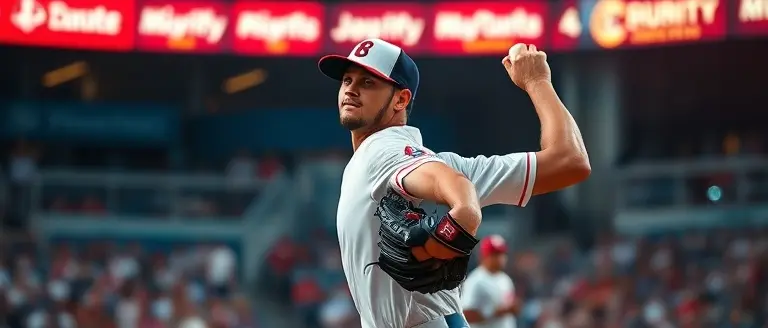
As the Miami Marlins navigate a transitional 2026 campaign, the emergence of Eury Pérez stands as the definitive anchor for the organization’s long-term strategy. While veterans like Sandy Alcantara provide the necessary stability for the rotation, Pérez represents the next generation of frontline pitching excellence. His recent performance metrics underscore a refined command of the strike zone, with a notable uptick in his slider’s horizontal break that has left even elite hitters in the NL Central struggling to square him up. Evidence suggests that the Marlins’ front office is prioritizing his arm health and stamina, opting for calculated development over aggressive over-usage during this rebuilding phase.
Mechanical Precision and Tactical Growth
The technical evolution of Pérez is a focal point for the Marlins’ coaching staff. By streamlining his delivery to reduce stress on his shoulder, the team has helped him maintain velocity into the later innings. This mechanical efficiency is critical as he prepares for tougher matchups against teams like the Milwaukee Brewers. Beyond his physical attributes, his mental approach—often described as calm under pressure—indicates a pitcher well beyond his years. The organization’s goal is to turn this raw potential into a consistent, All-Star caliber career.
Long-Term Value to the Organization
- Elite Velocity/Movement Profile: Pérez continues to rank in the top percentile for pitch extension, complicating timing for opposing batters.
- Strategic Load Management: The Marlins are carefully balancing his pitch counts to ensure longevity, a move that signals their commitment to his role as a future ace.
- Mentorship Synergy: Working alongside veteran pitchers like Alcantara has accelerated his tactical understanding of MLB-level game planning.
By investing in his development today, the Marlins are signaling that despite the challenges of the current season, they are building a rotation capable of sustaining championship-caliber pitching for years to come. Fans tracking the marlins vs brewers series should look past the daily box scores to appreciate the subtle, iterative improvements in Pérez’s sequencing, as these represent the true blueprint for Miami’s future success.
Live Updates, Odds, and Starting Lineups
As the MLB season resumes following the All-Star break, the marlins vs brewers matchup at American Family Field serves as a pivotal point for both organizations. Fans looking for live updates should monitor official team social channels and MLB Gameday, as regional environmental concerns—specifically localized air quality—may trigger adjustments to the pre-game schedule or dugout protocols. The game is officially slated for a 7:40 PM ET first pitch, though league officials continue to monitor atmospheric conditions to ensure player safety.
Betting Odds and Market Outlook
Current betting markets favor the Milwaukee Brewers, who enter the contest holding a commanding lead in the NL Central. According to data from USA TODAY Sportsbook Wire, the Brewers are listed as the home favorites, reflecting their consistency throughout the first half of the season. Conversely, the Miami Marlins enter as the underdogs, aiming to break a mid-season slump behind the arm of ace Sandy Alcantara. Bettors should note the following market trends:
- Moneyline: Brewers (-145), Marlins (+125)
- Run Line: Brewers -1.5, Marlins +1.5
- Over/Under: TBD based on air quality impact on ball flight physics.
Projected Starting Lineups
The starting lineups remain subject to final confirmation from the respective clubhouses, particularly with the reintegration of roster players returning from the All-Star festivities.
Miami Marlins (Projected):
- SP: Sandy Alcantara
- Key Batters: Luis Arraez (2B), Jazz Chisholm Jr. (CF), Josh Bell (1B)
Milwaukee Brewers (Projected):
- SP: TBD (Expected rotation regular)
- Key Batters: Christian Yelich (LF), William Contreras (C), Willy Adames (SS)
With the Brewers jockeying for home-field advantage in the National League and the Marlins fighting to stay relevant in the wildcard race, this series opener carries significant weight. Monitor local reports regarding the roof status at American Family Field, as the decision to open or close the stadium structure remains a critical variable for both the betting market and game-day performance.
Game Day Readiness in Changing Climates
As the Marlins and Brewers kick off the second half of the season, the tactical implications on the field are clear, but the environmental variables remain an unpredictable opponent. Balancing the high-stakes NL Central race and individual player development like that of Eury Pérez requires focus, not just from the athletes, but from the fans who brave the elements to support their teams from the stands.
As regional air quality continues to fluctuate, impacting both the players on the field and the fans in the stands, maintaining respiratory health and sinus clarity has become a top priority for those frequently attending outdoor sporting events. This is where ProDentim acts as a vital ally, supporting the health of your upper respiratory system and sinuses to help you withstand the environmental pollutants often present in crowded stadium settings.
By choosing a proactive approach to your wellness, you ensure that your focus remains entirely on the game, rather than on physical discomfort. Equip yourself with the right support to stay resilient regardless of the weather report, and ensure you remain fully engaged with every pitch and play this summer.
 Support your respiratory system and stay ready for game day with ProDentim.Secure My Respiratory Health Today!