
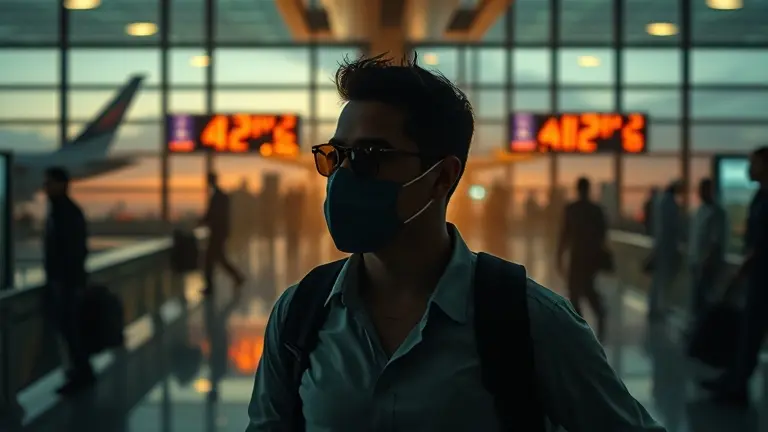
Are you currently trapped in the stressful cycle of airport limbo? As of July 16, 2026, the US aviation sector is grappling with over 1,700 nationwide flight delays and a wave of cancellations, turning terminals into high-stress zones. From the Northeast to the Mid-Atlantic, intense wildfire smoke is reducing visibility to critical levels, forcing the FAA to implement strict ground stops and flow control measures. Whether you are stuck in New York, Philadelphia, or facing cascading delays elsewhere, the frustration of being grounded by unpredictable environmental hazards is unparalleled.
However, understanding the mechanics of these disruptions—and your rights as a passenger—is your most effective tool for survival. While airlines often cite ‘force majeure’ to avoid compensation, there are critical nuances in how FAA visibility protocols are enforced that savvy travelers can leverage to their advantage. In this guide, we will break down the ‘why’ behind today’s travel chaos and provide you with a masterclass in rebooking hacks to help you navigate this volatile environment with confidence and precision.
Understanding the July 2026 Aviation Crisis: Why Your Flight is Affected
As of July 16, 2026, the US aviation sector is grappling with a severe wave of flight cancellation and delay events that have left thousands of passengers stranded across major hubs. While summer travel is historically volatile, the current crisis is distinctively environmental. Heavy wildfire smoke has blanketed the Northeast and Mid-Atlantic corridors, specifically impacting airspace visibility in New York, New Jersey, and Philadelphia. These US airport travel disruptions today are not merely symptoms of understaffing or technical glitches; they are direct consequences of FAA-mandated safety protocols triggered by hazardous air quality levels.
The FAA Visibility Mandate
When atmospheric conditions—such as dense smoke—degrade visibility below minimum safety thresholds, the Federal Aviation Administration (FAA) must intervene to ensure the safety of all air traffic. These visibility protocols necessitate the following operational shifts:
- Ground Stops: Total halts to all incoming flights at affected airports to prevent congestion in the air.
- Flow Control Measures: Restrictions on the rate at which aircraft can take off or land, often resulting in prolonged tarmac waits and cascading delays.
- Reduced Throughput: Reduced visibility requires greater separation between aircraft, which inherently limits the number of flights a runway can handle per hour.
It is critical for travelers to distinguish these environmental hazards from standard airline-controlled operational issues. Unlike delays caused by crew shortages or maintenance, which may entitle passengers to specific compensation or hotel accommodations, delays caused by “Acts of God” or weather-related environmental hazards typically fall under force majeure clauses. This means that while airlines are responsible for rebooking passengers, they are often exempt from providing traditional cash compensation. Navigating this landscape requires understanding that current delays—reported by sources like AL.com and OregonLive as reaching upwards of 3,600 aggregate delays nationwide—are reactive, immediate, and governed strictly by the FAA’s unwavering commitment to flight safety rather than airline operational failure.
FAA Visibility Protocols vs. Airline Responsibility: Clearing the Confusion
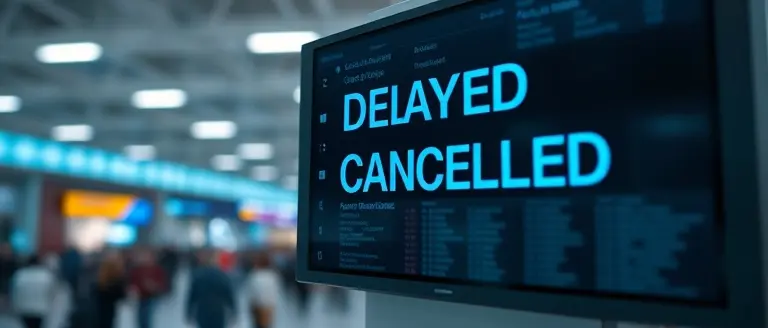
When US airport travel disruptions today reach critical levels due to environmental hazards like wildfire smoke, travelers often find themselves caught in a cycle of confusion regarding their rights. It is essential to distinguish between FAA-mandated ground stops and airline-controlled operational failures. The FAA enforces strict visibility minimums for air traffic control to ensure safe landings and departures. When smoke density reduces visibility below these federal safety thresholds, the FAA initiates flow control measures or ground stops. Because these are categorized as “force majeure” or uncontrollable events, airlines are not legally required to provide compensation, including hotel vouchers or meal stipends, in the same way they would for a mechanical delay or a crew-scheduling error.
Understanding Your Regulatory Rights
To navigate these challenges, you must understand the distinction between safety-driven delays and controllable service disruptions. The current nationwide surge in flight cancellation and delay incidents linked to poor air quality falls squarely into the weather-related exception category.
- FAA Visibility Protocols: These are non-negotiable safety standards. If the FAA halts flights due to smoke, the airline is operating under a “safety mandate,” effectively shielding them from liability for passenger expenses.
- Airline Responsibility: Carriers are only obligated to provide care if the disruption is “controllable,” such as maintenance issues, lack of available flight crew, or airline-specific computer failures.
- Mitigation Limits: While airlines aren’t required to cover your hotel during a smoke-related ground stop, most US carriers will rebook you on the next available flight at no extra cost. However, they are not obligated to provide “denied boarding compensation” or alternative transportation (like buses or trains) when an environmental hazard is the root cause.
Always check your specific Contract of Carriage before arriving at the airport. Knowing that the delay is safety-related allows you to focus your energy on securing a rebooking rather than demanding compensation that the airline is legally permitted to deny under current Department of Transportation (DOT) guidelines.
The Survivor’s Guide: Pro-active Rebooking Hacks for Smoggy Skies

When us airport travel disruptions today are driven by environmental hazards like wildfire smoke, the traditional “wait and see” approach often leads to being stranded. Because these events trigger FAA-mandated visibility protocols, airlines are frequently shielded from compensation requirements under “force majeure” clauses. However, you can significantly increase your odds of reaching your destination by employing aggressive, pro-active rebooking strategies the moment air quality alerts surface. Monitoring the Air Quality Index (AQI) in your arrival city is your first line of defense; if the forecast shows deteriorating visibility, assume your flight is at risk long before the airline notifies you of a formal flight cancellation and delay.
Mastering the Pre-emptive Pivot
Instead of waiting for the inevitable bottleneck at customer service counters, leverage digital tools to stay ahead of the curve. Most major carriers offer automated rebooking options within their mobile apps. If you see a Ground Stop issued for your hub, use these steps to secure a seat on a later flight before the entire cabin realizes the situation:
- Monitor Flight Tracking Apps: Use tools like FlightAware or FlightRadar24 to observe incoming aircraft patterns. If your plane is stuck at a distant airport due to low visibility, start looking for alternative routes immediately.
- Utilize Self-Service Rebooking: Most airline mobile applications allow you to switch to a later flight without agent intervention if your current flight is delayed by more than two hours.
- The “Double-Screen” Strategy: Simultaneously hold a position in the physical customer service line while monitoring the airline’s website and Twitter/X support handles. Frequently, digital support teams have the authority to bypass full-flight restrictions that local agents cannot touch.
- Leverage Partner Airlines: If you are booked on a legacy carrier, research alternative flights on their regional partners or codeshare alliances. A savvy traveler who suggests a specific alternative flight to an agent is much more likely to be rebooked than one waiting for the system to assign a new seat.
By taking control of your itinerary at the first sign of smoke-induced smog, you effectively opt-out of the chaotic “waiting room” scenario that defines modern aviation gridlock. While these environmental conditions are outside of airline control, your preparation determines whether you remain stuck in limbo or continue your journey on the next available window of visibility.
Comparing Airline Policies: Your Rights During Environmental Disruptions

Navigating flight cancellation and delay events caused by hazardous environmental factors like wildfire smoke requires a clear understanding of airline-specific protocols. When the FAA mandates visibility protocols in corridors such as the Northeast or Mid-Atlantic, these are classified as “Force Majeure” or “Acts of God.” Consequently, federal law does not mandate monetary compensation for these disruptions; however, major US carriers have developed internal policies to assist passengers. Understanding these distinctions is critical when managing US airport travel disruptions today.
Understanding Rebooking Flexibility
Most legacy and low-cost carriers offer “Travel Advisories” when extreme weather or air quality hazards are forecast. If your flight is included in a weather waiver, you are generally entitled to change your itinerary without the standard fare difference or change fees, provided you travel within a specific window—typically seven to 14 days.
| Airline | Voluntary Change Policy | Rebooking Window | Credit Expiration |
| :— | :— | :— | :— |
| Delta | Fee-waived if within advisory | Varies by route | 1 year from original booking |
| United | Fee-waived for same-day/near | 7-14 days | 1 year from issue date |
| American | Fee-waived in impacted hubs | Up to 1 year | 1 year from original ticket |
| Southwest | Always fee-free changes | Unlimited availability | Non-expiring (Funds) |
Pro-Active Mitigation Strategies
When you anticipate a disruption due to environmental hazards, do not wait for the airline to contact you. If your flight is officially canceled, you are entitled to a full refund to the original form of payment, even if the cancellation was weather-related. However, if you choose to rebook, focus on these tactical maneuvers:
- Monitor FAA Ground Stops: Use the FAA’s Air Traffic Control System Command Center website to see if your destination is under a ground delay program.
- Self-Service Rebooking: Use the airline’s mobile app immediately after a cancellation notification; kiosks and gate agents often experience hours-long queues.
- Request “Involuntary” Status: Ensure your ticket is marked as an involuntary change to preserve your right to compensation if the airline eventually cites mechanical issues alongside weather, which can sometimes provide additional leverage for meal or hotel vouchers.
By leveraging these airline-specific policies, you can move from a position of distress to one of calculated action during widespread regional flight volatility.
Protect Your Well-Being Amidst Travel Chaos
Navigating the current wave of US airport travel disruptions requires more than just patience and a solid rebooking strategy; it demands a proactive approach to your personal health. As you manage flight cancellations and delays caused by volatile environmental hazards, remember that the air quality you are breathing while stranded in terminals can take a real toll on your respiratory and sinus systems.
While you focus on mastering FAA visibility protocols and securing your seat on the next available flight, don’t overlook the hidden impact these hazardous conditions have on your body. This is where your ‘Travel Wellness Shield’ becomes essential. ProDentim offers a strategic way to support your sinus health and respiratory defenses, providing a necessary layer of protection against the physiological stressors of smoke-filled transit environments.
By integrating this support into your travel toolkit, you are taking a crucial step in maintaining your internal resilience while the world of aviation struggles to stabilize around you. Don’t let environmental hazards compromise your health on top of your travel schedule.
 Build your personal defense against smoke-filled air and support your sinus health before your next flight.Secure My Travel Wellness Shield Now!