
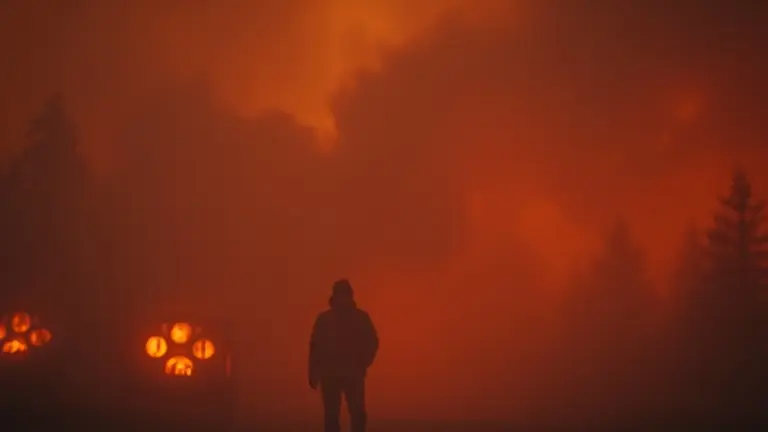
If you have stepped outside in Pennsylvania, New Jersey, New York, or the DC area over the last 48 hours, you have likely felt the immediate, stinging impact of the record-breaking Canadian wildfire smoke. As reports from July 16-17, 2026, confirm, the air quality today has plummeted to hazardous levels, leaving millions searching for real-time data on the AQI forecast. It is no longer enough to simply check a number on an app; when the sky turns a hazy, apocalyptic orange, the threat to your respiratory system, eyes, and overall health is immediate and pervasive.
While standard alerts tell you to stay indoors, understanding the nuanced difference between monitoring the air quality and actively protecting your health is the key to navigating these persistent environmental events. From the density of particulate matter in DC to the specific AQI concerns across NYC, this guide is designed to bridge the gap between abstract sensor data and your daily survival strategy. It is time to move beyond the alerts and adopt a proactive, multi-layered approach to safeguarding your respiratory wellness during these challenging times.
Understanding the Smoke Wave: Why Air Quality is Hazardous in the Northeast

The sudden degradation of air quality today across the Northeastern and Mid-Atlantic United States is the direct result of a massive atmospheric transport of smoke particles originating from intense Canadian wildfires. Since July 16, 2026, residents from Pennsylvania to the DC metro area have observed hazy, orange-tinted skies and a sharp decline in visibility. This phenomenon occurs when upper-level winds carry fine particulate matter—specifically PM2.5—thousands of miles southward, trapping pollutants near the surface and creating hazardous breathing conditions for millions.
As these smoke plumes settle, the AQI nyc and surrounding urban centers have climbed into the “unhealthy” to “hazardous” categories, necessitating immediate public health awareness. Unlike typical local pollution, this event is widespread and persistent, affecting major population hubs where air quality nj levels have significantly hampered daily activities. The presence of these microscopic particles is particularly concerning because they can penetrate deep into the lungs and enter the bloodstream, posing serious risks to individuals with pre-existing respiratory or cardiovascular conditions.
Tracking the Impact: Why Localized Alerts Matter
To navigate these conditions safely, it is critical to understand the following dynamics:
- Regional Reach: The smoke intensity is not uniform; areas like DC, parts of Pennsylvania, and major New York corridors are experiencing fluctuating spikes in pollution levels.
- The AQI Factor: The AQI forecast is currently dynamic. What may be tolerable in the morning can quickly transition to hazardous levels by midday as temperatures rise and wind patterns shift.
- Health Implications: When local agencies issue a Pennsylvania air quality alert or similar warnings, the guidance is intended to protect vulnerable populations, including the elderly, children, and outdoor workers, from immediate respiratory distress.
Monitoring verified sources such as AirNow.gov is the most reliable way to receive real-time data. Rather than relying on visual cues like haze—which can be misleading—residents should prioritize checking their local AQI forecast to determine whether outdoor exertion is safe. During these wildfire-driven events, minimizing exposure by staying indoors with air filtration systems remains the most effective defense against the pervasive smoke.
Decoding the AQI: What Your Local Air Quality Numbers Mean

Understanding your air quality today requires more than just glancing at a number; it demands an understanding of the Air Quality Index (AQI) scale. As smoke from Canadian wildfires impacts regions ranging from DC air quality readings to air quality NJ alerts, knowing how to interpret these metrics is vital for your health. The EPA categorizes the AQI into six tiers, each signaling a different level of concern for the general public, especially in areas currently under a Pennsylvania air quality alert. When the AQI NYC or other urban indices climb, they reflect rising concentrations of fine particulate matter (PM2.5) that can infiltrate deep into the lungs.
Navigating the AQI Risk Levels
To make informed decisions about your daily routine—whether you are an outdoor worker, an athlete, or simply commuting—consult the following breakdown of high-risk categories:
- Unhealthy (151–200): Everyone may begin to experience health effects. Vulnerable groups—including children, the elderly, and those with respiratory issues—should avoid prolonged outdoor exertion.
- Very Unhealthy (201–300): This triggers a health alert. The risk of respiratory symptoms increases significantly for the entire population. Outdoor activities should be heavily restricted or moved indoors.
- Hazardous (301+): An emergency condition. The entire population is likely to be affected. You should stay indoors, keep windows closed, and use high-efficiency air purifiers.
Because conditions shift rapidly, relying on an AQI forecast is essential for planning. Always verify the current status of your specific neighborhood by entering your zip code at AirNow.gov. This government-verified source provides the most accurate, real-time data, ensuring you aren’t relying on outdated news reports when deciding if it is safe to head outdoors. When the air is compromised, prioritizing indoor filtration and wearing an N95 respirator—not just a standard cloth mask—provides the necessary protection against fine wildfire smoke particles.
How to Minimize Exposure During High-Smoke Days

When air quality today reaches hazardous levels due to wildfire smoke, your primary goal must be the reduction of particulate matter (PM2.5) inhalation. Whether you are tracking the AQI NYC data or monitoring a Pennsylvania air quality alert, the medical consensus remains consistent: limit time spent outdoors as much as possible. When levels are in the “unhealthy” or “hazardous” range, even short periods of physical exertion can lead to respiratory distress. Keep your windows and doors tightly sealed to prevent smoke infiltration, and if you have an HVAC system, ensure it is running on “recirculate” mode with a high-efficiency filter. If you live in an area like DC or parts of air quality NJ, utilizing a portable HEPA air purifier in your main living or sleeping areas is the most effective way to scrub your indoor air of dangerous wildfire pollutants.
Essential Protection Strategies for Essential Travel
If you absolutely must venture outside, your preparation should focus on filtration and exertion control. A standard cloth mask or surgical mask provides little protection against fine wildfire smoke particles. Instead, prioritize wearing a NIOSH-approved N95 or P100 respirator to create a proper seal around the nose and mouth. Ensure the mask fits snugly; any air leaking through the sides significantly reduces its efficacy.
To further safeguard your health during these volatile atmospheric events, follow these best practices:
- Monitor AQI Forecast: Check official data via AirNow.gov frequently, as conditions can shift rapidly depending on wind patterns.
- Avoid Strenuous Activity: Postpone outdoor exercise, as increased breathing rates cause you to inhale a significantly higher volume of toxic particles.
- Seal Your Environment: Use damp towels to block gaps under doors and keep indoor humidity low if possible, as high humidity can sometimes influence particle suspension.
- Prioritize Vulnerable Groups: Children, the elderly, and those with pre-existing heart or lung conditions should strictly remain indoors until the AQI levels return to moderate or good categories.
By taking these proactive measures, you can better manage your exposure risks during periods of high-impact smoke, ensuring you are not reliant solely on the fluctuating external environment.
Protecting Vulnerable Populations and Pets

When the air quality today reaches hazardous levels—particularly as wildfire smoke blankets regions from DC air quality corridors to AQI NYC zones—vulnerable populations face immediate health risks. Children, whose lungs are still developing, and the elderly, who may have weakened immune systems, are at the highest risk for respiratory distress. Individuals with underlying conditions like asthma, COPD, or cardiovascular disease must prioritize remaining indoors during these peaks. Even moderate exposure to fine particulate matter (PM2.5) can trigger severe inflammation and exacerbations of chronic conditions. If you are in an area covered by a Pennsylvania air quality alert or experiencing heavy smoke in air quality NJ districts, avoid all non-essential outdoor activities until official monitors report improved readings.
Essential Safety Strategies for Households
To effectively mitigate exposure, focus on creating a clean-air sanctuary within your home. Use high-efficiency particulate air (HEPA) purifiers and ensure windows and doors remain tightly sealed. For those with pets, the same health risks apply. Dogs and cats, especially brachycephalic breeds like Pugs or Persians, are highly sensitive to smoke.
- Keep walks brief: Limit time outdoors to essential bathroom breaks only, avoiding intense exercise or play.
- Monitor symptoms: Watch for signs of respiratory distress in pets, such as persistent coughing, wheezing, lethargy, or rapid, shallow breathing.
- Indoor activity: Engage pets with indoor enrichment toys to compensate for lost outdoor exercise time.
- Check the AQI forecast: Consult AirNow.gov regularly; if the index is in the “Unhealthy” or “Hazardous” range, indoor environments are the only safe option for both humans and animals.
By proactively managing your home environment and monitoring local AQI forecast updates, you can significantly reduce the potential for long-term health complications caused by regional wildfire smoke events. Always prioritize professional medical advice if symptoms of respiratory discomfort persist despite taking these protective precautions.
Build Your Internal Shield Against Poor Air Quality
Navigating hazardous air quality requires more than just masking up or running an indoor air purifier; it demands a comprehensive strategy that fortifies your body from the inside out. We have explored the critical importance of monitoring the AQI, minimizing outdoor exposure, and utilizing high-efficiency filtration, but true resilience starts with the health of your upper respiratory tract and sinuses. When your body is constantly fighting off inhaled pollutants, your natural defenses need all the support they can get.
This is where ProDentim changes the game. While you focus on the external environment, this advanced formula works to strengthen your oral microbiome, which serves as the gateway to your sinus and respiratory health. By fostering a balanced internal environment, you are effectively providing your body with an essential ‘internal wellness’ layer of defense. ProDentim bridges the gap between external protection and internal resilience, acting as the perfect complement to your existing safety routine during these smoky, high-pollution alerts.
Don’t leave your respiratory health to chance while the smoke lingers. Take the proactive step to support your natural defenses and ensure your body is better equipped to handle today’s environmental stressors. Empower your system and breathe easier knowing you have a strategy that works as hard as you do.
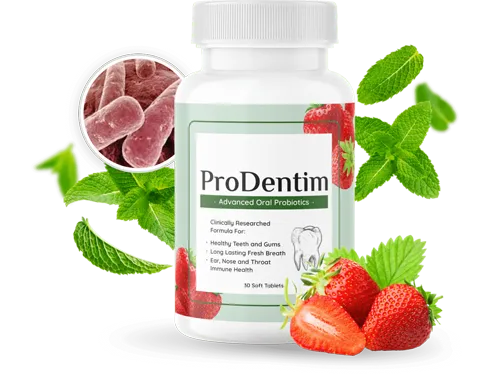 Support your respiratory system’s natural defense against today’s poor air quality—learn how ProDentim can help.Protect My Respiratory Health Now!