

As summer temperatures climb along the Massachusetts coastline, the arrival of apex predators like the record-breaking 14-foot great white shark known as ‘Contender’ has once again dominated local headlines. While tracking data from organizations like OCEARCH provides a thrilling, real-time window into the migratory path of these magnificent creatures, the spectacle often overshadows the reality: Cape Cod has become one of the world’s most vital biological hotspots for marine research. Instead of viewing these sightings through a lens of fear, science reveals that the presence of these sharks is a powerful indicator of a recovering, healthy Atlantic ecosystem.
For the savvy beachgoer, this season offers a unique opportunity to shift from passive spectator to informed observer. By understanding the migration patterns and separating sensationalized media narratives from actual marine behavior, you can enjoy the region’s natural beauty with confidence. Moving beyond the headlines allows us to appreciate the complex environmental balance of the Cape, turning every beach day into an educational experience that respects the power and importance of our coastal wildlife.
The Return of ‘Contender’: Tracking the Migratory Path to Cape Cod

The recent ping of “Contender,” a massive 14-foot, 1,700-pound great white shark, off the coast of North Carolina’s Outer Banks has reignited public interest in the annual movement of apex predators along the Atlantic seaboard. Tracked by the research organization OCEARCH, this specific shark serves as a high-profile data point for researchers monitoring marine health. While the size of the animal understandably captures headlines, biologists frame this movement as part of a well-documented migratory cycle. As temperatures rise during the summer months, these sharks naturally transition from southern wintering grounds toward the nutrient-rich waters of the Northeast.
Why Cape Cod is a Seasonal Hub
Cape Cod has solidified its status as a critical biological hotspot for white sharks, largely due to the region’s thriving gray seal population. This abundance of prey provides the necessary caloric intake for large sharks to sustain their energy-intensive migration. Rather than viewing the presence of great white sharks near Cape Cod as a seasonal anomaly, marine scientists view it as a robust indicator of a recovering, healthy ecosystem.
Key factors driving this migratory behavior include:
- Prey Availability: The seasonal influx of seals creates a reliable, high-energy food source in the shallow coastal waters.
- Temperature Preferences: White sharks are highly sensitive to water temperatures, often seeking the specific thermal conditions found in the Gulf of Maine and surrounding areas during peak summer.
- Scientific Research: Organizations like OCEARCH utilize real-time satellite telemetry to map these corridors, helping public officials balance beach recreation with wildlife management.
While the media buzz surrounding “Contender” highlights the sheer scale of these animals, it is important to remember that these predators are following ancient biological patterns. By understanding that their arrival in Massachusetts is a predictable, seasonal event, residents and visitors can move from a place of apprehension to one of informed appreciation for the vital role these predators play in our coastal biodiversity.
The Science of the Ecosystem: Why Great Whites are Returning

The increasing presence of great white sharks in Cape Cod should be viewed as a significant ecological success story rather than a cause for alarm. Marine biologists emphasize that the return of these apex predators to the Massachusetts coastline is a direct reflection of a rebounding Atlantic ecosystem. Decades of conservation efforts, particularly the implementation of the Marine Mammal Protection Act, have led to a massive resurgence in the population of grey seals. Because seals are the primary food source for large sharks, the Cape has effectively transformed into a critical feeding ground and a biological hotspot for the species.
Restoring Marine Biodiversity
The resurgence of these sharks plays a vital role in maintaining the health of our oceans. Apex predators serve as the “guardians” of the sea, ensuring balance within the food web. Their return brings several ecological benefits, including:
- Population Regulation: By targeting the sick, weak, or genetically inferior seals, sharks prevent overpopulation and the potential spread of disease within seal colonies.
- Habitat Preservation: Their presence influences the behavior of prey species, preventing overgrazing of sensitive coastal habitats and seagrass beds.
- Indicator of Water Quality: Great whites are highly sensitive to their environment; their sustained presence indicates that the waters off Cape Cod are cleaner and more nutrient-rich than they have been in the last half-century.
Rather than viewing the migration of animals like “Contender” as an encroaching threat, researchers urge the public to recognize these sharks as essential components of a thriving marine wilderness. The recovery of the white shark population is a testament to the resilience of our natural world, signaling that the Atlantic is successfully healing from the historic impacts of overfishing and habitat degradation. Understanding this shift allows beachgoers and residents to appreciate the science of the migration while respecting the vital ecological functions these predators perform daily.
Cape Cod Shark Safety: An Actionable Guide for Beachgoers
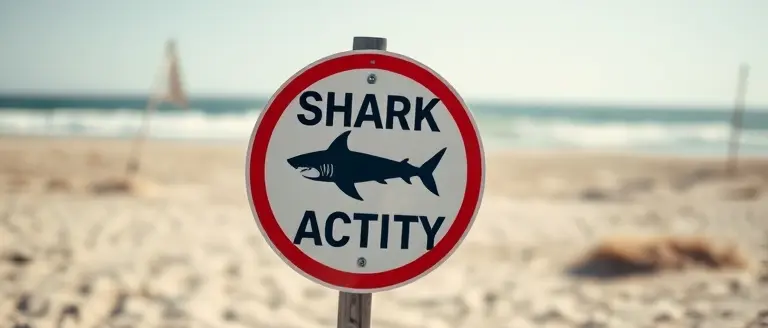
As interest in great white sharks Cape Cod migrations reaches a seasonal peak, especially with the tracking of large specimens like “Contender,” beachgoers must shift their focus from alarmist headlines to proactive marine safety. Living alongside these apex predators requires a balanced approach that prioritizes environmental awareness and common-sense precautions. While the presence of white sharks signals a recovering and healthy Atlantic ecosystem, it also necessitates that visitors respect the ocean as a wild habitat. By understanding local protocols and observing natural cues, swimmers and surfers can significantly reduce their risk profile while enjoying the Massachusetts coastline.
Essential Safety Strategies for the Coast
Understanding the environmental factors that draw sharks to the region is the first step in risk management. Great whites are primarily attracted to the area by large colonies of gray seals, which serve as their primary food source. To stay safe, adhere to these evidence-based guidelines:
- Avoid Seal Hotspots: Steer clear of areas where seals are congregating, as these are natural hunting grounds for sharks. If you see seals splashing or acting erratically, exit the water immediately.
- Stay Close to Shore: Research suggests that white sharks frequently patrol the “drop-off” zones. Swimming in shallower water, where you can easily stand, is significantly safer than venturing into deeper channels.
- Heed Warning Flags: Local beaches utilize a color-coded shark flag system. Never ignore a purple or red warning flag; these are deployed based on real-time sightings by lifeguards and drone patrols.
- Utilize Lifeguard Intel: Always swim at protected beaches where professional lifeguards are on duty. They are trained to monitor water conditions and coordinate with regional marine authorities to relay sightings quickly.
- Avoid Low-Light Times: Dusk and dawn are considered peak hunting periods for many predatory fish. It is best to avoid swimming or surfing during these times when visibility is reduced.
Ultimately, safety in Cape Cod waters is a shared responsibility. By staying informed through official tracking resources and maintaining a vigilant eye on your surroundings, you can enjoy the natural beauty of the region while respecting the essential role that great white sharks play in our marine environment. Always follow the specific guidance provided by local town beach departments and signage posted at access points.
Separating Fact from Fiction: Beyond the Summer Shark Narrative

The current fascination with “monster sharks,” often amplified by sensationalized media reports and upcoming cinematic releases, tends to obscure the biological reality of great white sharks in Cape Cod. While news outlets frequently spotlight the return of massive specimens like “Contender,” a 1,700-pound shark tagged by OCEARCH, it is vital to distinguish between dramatic storytelling and ecological observation. Cape Cod has evolved into a critical nursery and feeding ground for these apex predators, largely due to the successful recovery of local gray seal populations. Rather than viewing these sharks as malicious threats, marine biologists categorize their increased presence as a clear indicator of a recovering, vibrant Atlantic ecosystem.
Understanding Shark Behavior and Human Interaction
To navigate the summer season effectively, beachgoers must pivot away from the fear-based narratives dominating social feeds. Shark-human interactions remain statistically rare, even as our ability to track these animals in real-time has become more sophisticated. The science suggests that sharks are not actively hunting humans; instead, they are navigating established migratory corridors to forage for natural prey. By understanding their patterns, we can coexist safely in the water.
- Avoid Marine Activity: Steer clear of areas with visible seal colonies or schools of baitfish, as these are primary hunting grounds for white sharks.
- Trust the Science, Not the Screen: Use reputable real-time tracking tools like the OCEARCH monitor rather than relying on entertainment-driven media reports to gauge localized risk.
- Practice Informed Vigilance: Respect the ocean’s wild nature by adhering to lifeguard signage and recommendations, which are based on daily, expert-led observations of local water conditions.
By replacing apprehension with education, residents and visitors alike can enjoy the Massachusetts coastline while respecting the essential role that great white sharks play in maintaining the health of our coastal waters.
Transform Your Coastal Summer Experience
Understanding the migration of sharks like Contender is about more than just data—it is about respecting the ecosystem we share and preparing ourselves for a season of coastal exploration. Whether you are tracking marine movements or planning your next trip to the shore, being prepared is the hallmark of a true Cape enthusiast. By moving away from fear-based reactions and embracing proactive, science-backed engagement, you can make the most of your summer adventures.
While you follow the migration of sharks like Contender to understand our ecosystem, many locals are taking a hands-on approach to their own summer preparation by building custom gear and specialized equipment for their beach outings. From constructing stable beach organizers to designing custom marine-observational platforms, having the right tools makes all the difference in your coastal experience. This is where professional planning becomes your ultimate utility companion, allowing you to master your environment with absolute technical certainty.
Ted’s Woodworking provides access to a massive library of 16,000 professional-grade plans that turn complex DIY safety and storage projects into simple, fool-proof tasks. Whether you are a seasoned builder or a weekend warrior, our platform empowers you to craft the perfect gear for every excursion, ensuring you are fully equipped for whatever the Cape Cod summer brings your way. Don’t leave your comfort to chance; start building the tools you need today.
 Ready to prep your gear for the season? Explore 16,000 professional workshop plans to build the perfect setup for your next Cape Cod excursion.Build My Custom Gear Today!