
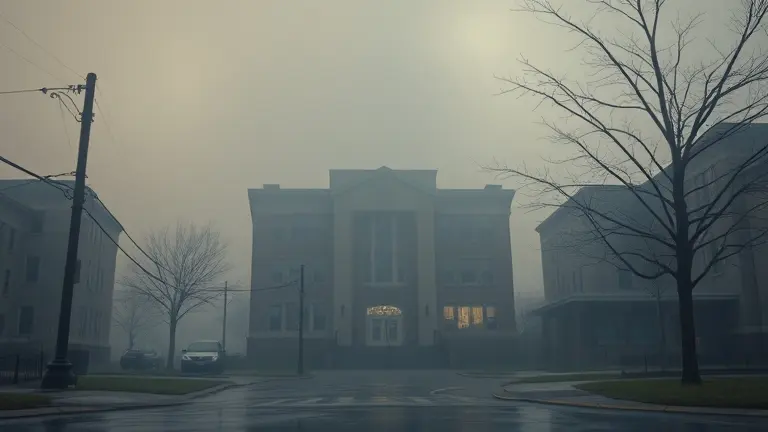
As of mid-July 2026, the Midwest and Northeast are under siege, blanketed by a hazardous haze originating from over 100 active Canadian wildfires. For residents in Cleveland and across Ohio, the once-clear summer skies have been replaced by a stifling orange gloom, pushing air quality to dangerous levels that mandate state-wide advisories. While local authorities have scrambled to open neighborhood resource centers, the reality is that the threat is no longer a fleeting weather event; it has become a persistent environmental crisis requiring a fundamental shift in how we protect our homes and our health.
This isn’t just about waiting for the smoke to clear—it’s about building long-term resilience. Most media outlets provide temporary alerts, but the true danger lies in our lack of preparation for recurring exposure. To navigate these weeks of poor air quality safely, you need a proactive strategy that addresses everything from home-sealing techniques and HVAC filtration standards to internal biological fortification. It is time to move beyond reactive habits and take total control of your environment and your well-being.
Understanding the July 2026 Canadian Wildfire Smoke Crisis in Ohio
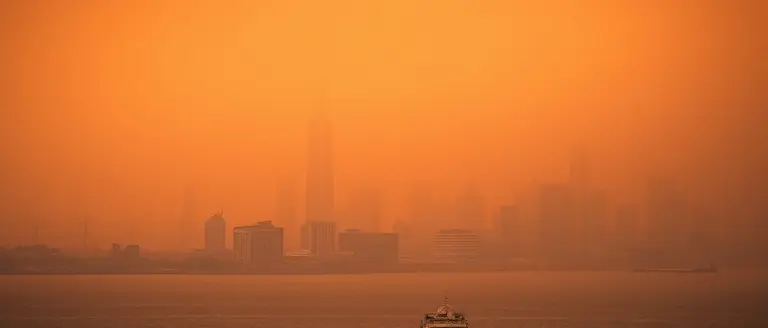
As of July 16, 2026, a massive plume of particulate matter originating from over 100 active Canadian wildfires has descended upon the United States, creating a widespread public health emergency. Driven by persistent, high-altitude wind patterns, this atmospheric event has blanketed the Midwest and Northeast, triggering hazardous air quality alerts across at least 17 states. The situation is particularly acute in Ohio, where state authorities have issued an urgent advisory due to dangerous concentrations of fine particulate matter (PM2.5) that have effectively turned the skies into a hazy, orange-tinted landscape.
The Impact on Cleveland and Regional Response
Cleveland smoke levels have reached critical thresholds, prompting local officials to take decisive, emergency-level action. Because the air quality index (AQI) has climbed to levels deemed unsafe for even healthy adults, the city has initiated a reactive support strategy. Key local interventions include:
- Expanded Access to Clean Air: The City of Cleveland has officially extended operating hours at designated neighborhood resource and recreation centers. These facilities now serve as climate-controlled refuges for residents, providing high-efficiency filtration systems for those unable to escape the haze in their own homes.
- Public Health Directives: Officials are urging vulnerable populations—including children, the elderly, and individuals with chronic respiratory issues—to limit all outdoor activity.
- Statewide Coordination: Beyond Cleveland, the Ohio EPA continues to monitor real-time data, warning that the stagnation of weather patterns could keep these pollutants trapped over the region for several days.
This crisis underscores the growing necessity for long-term preparedness in the face of increasingly frequent cross-border environmental hazards. As regional authorities continue to manage the immediate danger, residents are encouraged to stay informed through official updates from the Ohio EPA and local municipal alerts.
Immediate Indoor Air Quality Management: Filtering and Sealing Your Home

As smoke from Canadian wildfires blankets regions like Ohio, managing indoor air quality becomes a critical health intervention. When the AQI enters hazardous territory, your home must serve as a primary barrier against fine particulate matter (PM2.5). The most effective way to achieve this is through a combination of high-efficiency mechanical filtration and physical sealing to prevent infiltration.
Optimizing HVAC and Air Purifiers
If your residence uses a central heating and cooling system, the single most impactful upgrade is replacing your standard air filter with one rated MERV-13 or higher. A MERV-13 filter is designed to capture the microscopic particles common in wildfire smoke that lower-rated filters simply miss. Ensure your system is set to “fan on” rather than “auto” to keep air circulating through the filtration medium continuously. For individual rooms, utilize portable HEPA air purifiers. When purchasing, check the Clean Air Delivery Rate (CADR); you need a unit sized appropriately for the square footage of the room to ensure effective air turnover.
Creating a ‘Clean Room’ Sanctuary
During extreme events, such as the current Cleveland smoke crisis, designating a single “clean room” can significantly reduce your exposure. To establish this space:
- Seal Windows and Doors: Use temporary weather stripping, painter’s tape, or damp towels at the base of doors to close gaps where smoke leaks in.
- Minimize Traffic: Keep the room door closed and limit entries and exits.
- Avoid Pollutant Sources: Do not use gas stoves, candles, or incense within the clean room, as these increase indoor PM2.5 levels.
- Monitor Levels: If possible, use a laser-based air quality monitor to verify that your sealing efforts are effectively lowering particulate counts compared to the outside air.
By systematically addressing both the air circulation systems and the physical envelope of your home, you can maintain a safe environment even when outdoor air quality reaches dangerous, haze-filled levels.
Health Protection Guidelines: Navigating AQI Levels and Vulnerable Populations
Understanding the Air Quality Index (AQI) is essential for residents in Cleveland and across the Midwest as Canadian wildfires air quality impacts continue to shift. The AQI acts as a communication tool for reporting daily air quality, specifically tracking fine particulate matter (PM2.5) that infiltrates deep into the lungs. When regional smoke levels spike, protecting your respiratory health requires a tiered response based on the severity of the pollution.
Tiered Response and Protective Measures
- Moderate (AQI 51–100): Generally acceptable for most people. However, unusually sensitive individuals should consider limiting prolonged outdoor exertion.
- Unhealthy for Sensitive Groups (AQI 101–150): This category includes children, the elderly, and those with pre-existing conditions like asthma or COPD. Limit heavy outdoor activity and stay informed of your local air quality advisories.
- Unhealthy (AQI 151–200): Everyone may begin to experience health effects. Vulnerable populations should avoid all outdoor physical activity. Keep windows closed and utilize indoor air purifiers.
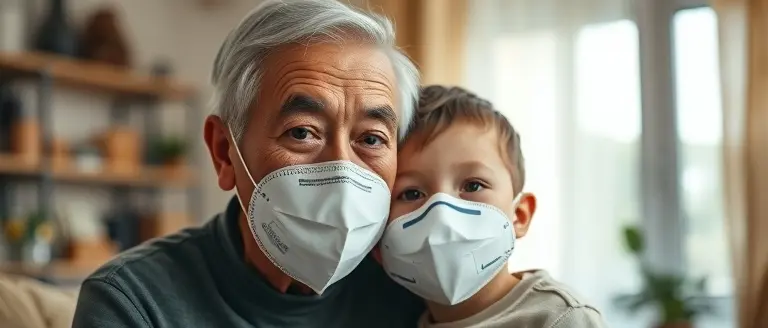
- Very Unhealthy to Hazardous (AQI 201+): Health alert status. The entire population is likely to be affected. Cleveland smoke levels at this stage necessitate staying indoors with windows sealed. If you must go outside, wear an N95 or P100 respirator to filter out harmful particulates.
Recognizing Medical Emergencies
While the current Ohio air quality alert requires caution, it is vital to distinguish between minor irritation and life-threatening symptoms. Short-term exposure to smoke often results in coughing, scratchy throats, and stinging eyes. However, you should seek immediate medical attention if you experience:
- Difficulty breathing or shortness of breath that does not subside at rest.
- Chest pain or tightness.
- Severe palpitations or a rapid, irregular heartbeat.
- Extreme fatigue or lightheadedness.
For vulnerable individuals, even minor exposure can exacerbate underlying heart or lung disease. If you are part of a high-risk group, maintain a supply of rescue medications and utilize local resources, such as designated “clean air” centers, when home filtration systems reach capacity.
Post-Event Recovery: Cleaning Ash and Particulate Matter from Your Property
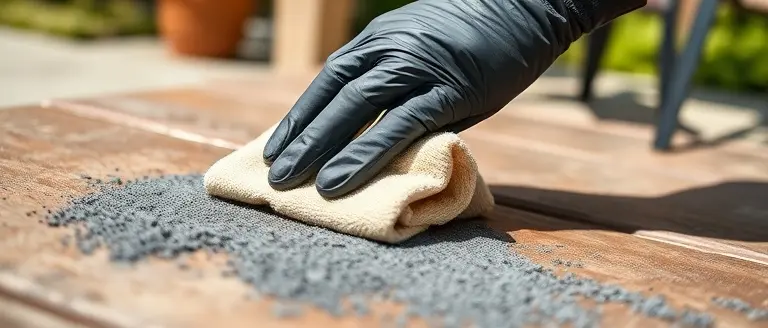
Once the Canadian wildfires air quality crisis subsides and the hazy skies over the Midwest clear, property owners must take systematic steps to remove lingering soot and fine particulate matter. When cleaning surfaces affected by wildfire residue, avoid dry sweeping or using leaf blowers, as these actions kick microscopic, harmful particles back into the air. Instead, use a wet-cleaning method: dampen surfaces with a light mist of water or use specialized HEPA-filter vacuums to capture fine dust without re-suspending it. For exterior hardscapes in regions like Cleveland smoke zones, a low-pressure power wash can effectively lift layers of ash without forcing pollutants into porous materials like concrete or deck wood.
HVAC and Indoor Air Restoration
After prolonged exposure to smoke, your home’s climate control system likely bears the brunt of the pollution. Even if your air quality has returned to safe levels, the fine ash trapped within your HVAC unit can continue to degrade indoor air quality for weeks.
- Replace Filters Immediately: Remove used filters and replace them with high-efficiency MERV-13 or higher rated filters to ensure any residual soot is trapped.
- Professional Duct Cleaning: If you suspect heavy accumulation, hire a certified technician to perform a professional duct cleaning to remove trapped debris from your ventilation system.
- Clean Soft Surfaces: Wash curtains, bedding, and upholstery, as fabric fibers readily trap acidic soot that can lead to permanent discoloration or lingering odors.
Exterior Vehicle and Property Maintenance
Fine soot is chemically corrosive, particularly when exposed to moisture. If you live in an area impacted by Cleveland-based air quality alerts, your vehicle may be coated in a thin, abrasive layer of particulate matter. Rinse your vehicle with a gentle stream of water before scrubbing to avoid scratching the clear coat with trapped ash particles. For the interior, use a vacuum with a HEPA attachment to clean vents, dashboards, and upholstery. By prioritizing these post-event recovery steps, you protect your long-term health and prevent the gradual degradation of your property caused by volatile wildfire residues.
Building Your Final Line of Defense
Surviving the current surge of Canadian wildfire smoke is a multi-layered process. By upgrading your home with MERV-13+ filtration, sealing structural gaps, and following a rigorous post-event cleanup protocol, you can effectively manage the external threat. However, external barriers only tell half the story. Your body is constantly processing the microscopic particulate matter that inevitably finds its way indoors, placing immense inflammatory stress on your upper respiratory tract and sinuses.
While sealing your home and using proper filtration are your first lines of defense against wildfire smoke, maintaining the strength of your internal respiratory and sinus defenses is equally critical during prolonged exposure. This is where your biology needs a competitive edge. ProDentim acts as an essential internal shield, designed to support the health of the oral-sinus microbiome. By incorporating this into your daily routine, you provide your body with the biological support needed to better manage the inflammatory stress caused by breathing in fine particulate matter.
Taking a holistic approach—fortifying your home environment while simultaneously strengthening your internal defenses—is the most reliable way to stay resilient during this era of frequent air quality alerts. Don’t leave your respiratory health to chance when the air quality index starts to climb. Take the proactive step today to ensure your body’s natural defenses are prepared for the challenges ahead.
 Support your respiratory system’s natural defenses against environmental stressors by incorporating ProDentim into your daily routine.Protect My Respiratory Health Now!