

As we navigate the summer of 2026, many Americans are left wondering why localized weather alerts—from sudden, violent storms in the Midwest to erratic heatwaves—feel increasingly frequent and unpredictable. Scientific agencies like NOAA have confirmed that the El Niño–Southern Oscillation (ENSO) is intensifying, creating a domino effect that disrupts long-standing atmospheric patterns. This isn’t just about meteorology; it is about the tangible, daily reality of living through a climate system in flux, where rising Pacific ocean temperatures directly correlate to the volatile, record-breaking weather events hitting our own backyards.
Understanding this phenomenon is no longer reserved for climatologists. For the millions of us tracking severe weather alerts, bridging the gap between global Pacific ocean oscillations and our immediate local environment is vital. While we cannot control the shifting tides of the Pacific, we can better understand the environmental stressors these cycles impose on our daily lives. As we move deeper into this unpredictable season, it is time to look beyond the radar and consider how these macro-level climate shifts are quietly challenging our personal health and resilience.
Understanding the 2026 El Niño Shift: Why Weather Feels More Volatile

As of July 2026, scientific agencies are closely monitoring the El Niño–Southern Oscillation (ENSO) as it shifts toward a more intense phase. This climate phenomenon, characterized by a significant warming of sea surface temperatures in the central and eastern Pacific Ocean, acts as a primary engine for global weather patterns. While ENSO is a natural occurrence, current data suggests a rapid intensification, creating a ripple effect that alters atmospheric circulation across the globe. For residents across the United States, this transition is not just a meteorological observation; it is a direct contributor to the heightened volatility observed in our current summer forecast.
Connecting Global Drivers to Localized Weather
The connection between Pacific ocean temperatures and your local forecast is defined by how ENSO manipulates the jet stream. When the Pacific warms, it creates atmospheric instability that pushes severe weather corridors further north and east than usual. This shift explains why regions like the Midwest—specifically areas like Sioux Falls—have experienced an unusual frequency of severe weather alerts this season. The intensification of the El Niño event disrupts traditional moisture transport, leading to:
- Increased Instability: Enhanced moisture and heat energy feed directly into storm systems, resulting in more rapid, high-impact localized weather alerts.
- Jet Stream Alterations: The oscillation bends the jet stream, trapping or steering volatile weather systems over previously stable regions.
- Heightened Precipitation Risk: Unexpected surges in heavy rain events, which contribute to localized flooding and infrastructure stress.
Understanding this mechanism is vital for managing the anxiety surrounding the 2026 summer season. By recognizing that these extreme weather events are part of a larger, global climate driver, residents can better prepare for the unpredictability of the coming months. While ENSO is complex, its impact on the US is clear: a warmer Pacific leads to a more turbulent atmosphere, necessitating heightened awareness and proactive safety measures during this phase of the el niño southern oscillation. By keeping informed through reliable updates, you can better navigate the specific risks posed by this summer’s unique climate landscape.
The Science of ENSO: How Ocean Temperatures Drive Global Patterns

The El Niño–Southern Oscillation (ENSO) is a recurring climate pattern that acts as the world’s most significant engine for weather variability. At its core, ENSO is an interaction between the surface of the tropical Pacific Ocean and the atmosphere above it. During an El Niño phase, the trade winds—which typically push warm surface water toward Asia—weaken. This allows warm, equatorial water to pool in the central and eastern Pacific, shifting the thermal balance of the entire ocean basin. This massive redistribution of heat does not stay contained; it acts as a global weather conductor, effectively rewriting the rulebook for atmospheric circulation.
How Thermal Engines Influence Jet Streams
When these expansive pools of warm water form, they alter the position and strength of the jet streams—the high-altitude rivers of air that steer storm systems across the globe. By dumping excess heat and moisture into the atmosphere, the Pacific Ocean forces the jet stream into a new configuration. This shift is precisely what links the temperature of the Pacific to the erratic weather patterns currently being observed across the United States. Key mechanics include:
- Atmospheric Coupling: The warming surface temperatures transfer heat to the air, creating a feedback loop that intensifies storm activity.
- Jet Stream Shifting: By pushing the jet stream further south or north than its seasonal average, ENSO determines where storms make landfall and which regions experience drought or excessive precipitation.
- Global Teleconnections: These changes in the Pacific ripple outward, affecting monsoon cycles in South Asia and dictating the frequency of severe weather alerts throughout the US summer, such as the intense storm systems observed recently in the Midwest.
Understanding ENSO is critical to interpreting why localized weather events feel more frequent or extreme. As scientific agencies monitor the current potential for intensification, it becomes clear that these ocean temperatures are the primary driver behind the volatile climate anomalies affecting modern infrastructure and regional safety.
Connecting the Dots: Localized Impacts of the Current ENSO Phase
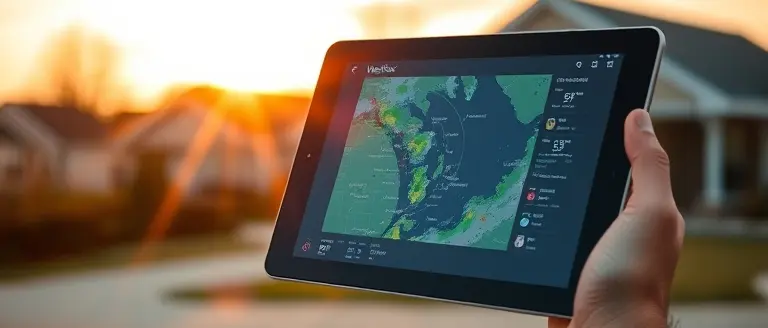
The current intensification of the El Niño–Southern Oscillation (ENSO) is acting as a primary driver for the erratic and volatile weather patterns currently observed across the United States. As Pacific surface temperatures rise, the atmospheric response disrupts the traditional jet stream, essentially steering moisture and heat into regions that are often unaccustomed to such extremes. For the average American resident, this manifests as an uptick in severe weather alerts, ranging from flash flooding in typically arid zones to prolonged, oppressive heatwaves that challenge local infrastructure and energy grids. When meteorologists discuss the el niño southern oscillation, they are essentially describing a massive, global-scale thermal engine that alters the probability of specific regional outcomes, explaining why states like South Dakota have recently seen anomalous storm activity alongside record-breaking heat elsewhere.
Regional Weather Forecast Trends
While the impacts of a strengthening El Niño are complex, historical modeling and real-time data from July 2026 suggest several predictable shifts in domestic weather behavior:
- Increased Storm Severity: Areas in the central U.S. are seeing a higher frequency of severe thunderstorms, as the oscillation disrupts typical atmospheric stability, creating prime conditions for rapid supercell development.
- Heatwave Persistence: Evidence suggests that southern and western states may face an extended season of dangerous heat, as the ENSO phase often anchors high-pressure systems that trap warm air for days or weeks.
- Precipitation Anomalies: While some regions experience drier conditions, others—particularly the southern tier of the U.S.—often see heightened humidity and sudden, intense precipitation events as the Pacific moisture feed intensifies.
Understanding these impacts is crucial for disaster preparedness. By recognizing that current local alerts are not merely isolated events but are linked to the broader ENSO status, communities can better anticipate the duration and intensity of the summer 2026 climate season. This “bridge” between global oceanography and your front door is the key to navigating the seasonal uncertainty brought on by this powerful climate anomaly.
Staying Prepared: Navigating the 2026 Summer Storm Season

As the El Niño–Southern Oscillation (ENSO) cycle trends toward an intensified state in July 2026, the potential for volatile weather across the United States has transitioned from a remote possibility to a daily reality. While the el niño southern oscillation operates on a global scale, its influence on local atmospheric pressure systems often leads to the severe storm patterns currently impacting regions from the Midwest to the coastal plains. For households, understanding the link between these Pacific temperature anomalies and your local forecast is the first step toward effective safety management. Rather than reacting only when sirens sound, proactive monitoring of official meteorological channels provides the necessary lead time to secure property and ensure family safety.
Strategies for Proactive Weather Resilience
To mitigate the risks associated with this year’s unpredictable climate patterns, consider implementing the following preparedness measures:
- Monitor Authoritative Sources: Regularly check real-time bulletins from the National Oceanic and Atmospheric Administration (NOAA) and the National Weather Service (NWS). These agencies offer the most accurate updates on how the current ENSO status is influencing local wind shear, humidity, and storm cell formation.
- Establish a Communication Plan: Ensure every family member knows the specific protocol for severe weather. Designate a “safe zone” within your home that is free of windows and located on the lowest level, particularly during intense convective storm activity.
- Maintain an Emergency Go-Kit: Given the potential for sudden power grid instability during heavy storm events, maintain a kit containing non-perishable food, water, flashlights, a battery-powered weather radio, and external power banks for essential communication devices.
- Stay Informed on Local Alerts: Sign up for municipal emergency notification services that send push alerts directly to your phone. Distinguishing between a “Watch”—which indicates favorable conditions for storms—and a “Warning”—which signals that severe weather is imminent—is vital for timely decision-making.
While the strengthening of this weather phenomenon highlights broader climate variability, individual preparedness remains the most effective defense against the heightened frequency of severe storms. By integrating these practices into your summer routine, you can navigate the remaining months of the 2026 season with confidence, ensuring that your home and loved ones are shielded from the volatility linked to these complex oceanic drivers.
Building Personal Resilience in a Changing Climate
The intensifying El Niño cycle is more than a headline-grabbing meteorological event; it is a catalyst for environmental volatility that reaches into our homes and affects our daily well-being. By tracking these shifts, we gain the foresight to prepare not just our properties, but our internal defenses against the stressors of a changing climate.
While we monitor the meteorological alerts in our region, it is equally important to consider how these rapid shifts in humidity and air quality affect our internal defenses, specifically our respiratory health. Volatile air quality and frequent pressure changes can take a significant toll on our sinuses and respiratory systems. This is where ProDentim serves as a vital ‘Environmental Defense’ supplement, providing the necessary support to keep your upper respiratory and sinus systems balanced when the weather becomes unpredictable.
Integrating a proactive health strategy is the most effective way to navigate the 2026 weather season with confidence. By strengthening your biological baseline, you ensure that environmental instability doesn’t translate into personal physical strain. Take the step today to protect your wellness regardless of what the forecast predicts.
 Support your respiratory system against environmental instability; discover how ProDentim helps you stay balanced regardless of the weather forecast.Protect My Respiratory Health Now!