

There are few experiences more frustrating for a frequent flyer than the sudden, echoing announcement of an FAA ground stop. While weather is the common culprit, travelers moving through Ronald Reagan Washington National Airport (DCA) face a unique and unpredictable challenge: VIP-related security protocols. Because DCA sits in such close proximity to the nation’s capital, it is uniquely vulnerable to total airspace shutdowns whenever high-level dignitaries, such as visiting world leaders, touch down. This creates a cascading effect of cancellations and delays that can ripple across the entire domestic network, leaving thousands of passengers stranded in terminals for hours on end.
When these security-driven shutdowns occur, the immediate focus is almost always on rebooking and logistics, yet the physical impact on the passenger is often overlooked. Prolonged confinement in high-stress, low-humidity, and recirculated cabin air environments can take a toll on your respiratory and sinus health. Understanding why DCA remains the most sensitive hub in the U.S. is key to mastering the art of the modern commute, but knowing how to defend your physical resilience while waiting for the runway to reopen is just as vital. In this guide, we dive into the reality of DC airspace disruptions and share how to stay prepared when the world stops moving.
Understanding the Recent DCA Ground Stop: VIP Security and Airspace Restrictions
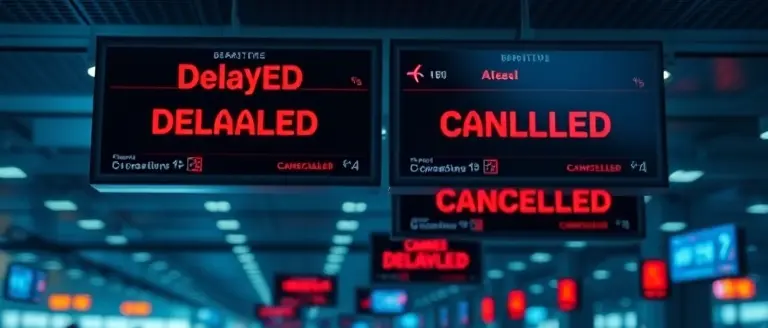
The recent FAA Reagan National Airport ground stop serves as a stark reminder of the unique logistical constraints surrounding air travel in the nation’s capital. The disruption, which temporarily paralyzed flight operations, was initiated by the Federal Aviation Administration (FAA) to accommodate heightened security protocols for a visiting Iraqi leader arriving for high-level diplomatic meetings with President Trump. Because Ronald Reagan Washington National Airport (DCA) is situated in extremely close proximity to restricted government airspace, VIP security mandates often necessitate complete, temporary halts in arrivals and departures to ensure the safety of visiting dignitaries and federal assets.
How VIP Protocols Cascade into Global Disruptions
While the ground stop was a targeted security measure, its impact rippled far beyond the D.C. area. Because DCA acts as a primary hub for both business and government travel, the sudden freeze resulted in some of the highest cancellation rates globally for that timeframe. When the FAA halts activity at a high-density airport like DCA, the effects are felt throughout the entire National Airspace System:
- Arrival and Departure Backlogs: Aircraft already in the air are forced to divert or hold, consuming fuel and throwing off crew schedules.
- Systemic Delays: Equipment and flight crews become displaced, causing a “cascading effect” that results in hours of residual delays even after the airspace reopens.
- Capacity Limits: Unlike less congested airports, DCA has limited buffer room to absorb these sudden gaps, turning a brief security pause into a day-long operational struggle.
Although the FAA officially lifted the ground stop, the incident highlights the reality that travelers using DCA must remain prepared for sudden, security-driven disruptions. Unlike weather-related delays, which are often forecast, these diplomatic events can occur with little notice, reinforcing the importance of monitoring real-time flight status trackers and official FAA notices when traveling through the D.C. region.
Why DCA Is Uniquely Vulnerable to Airspace Disruptions
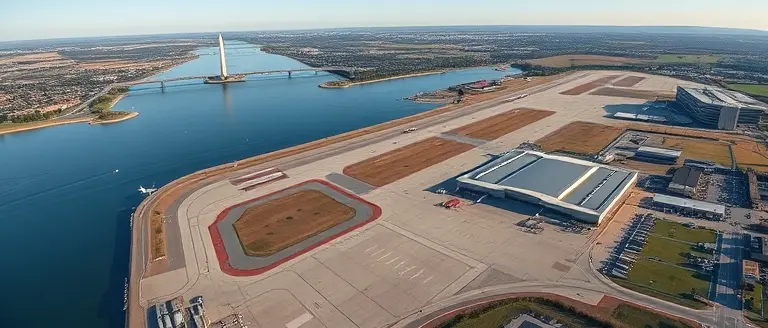
Ronald Reagan Washington National Airport (DCA) occupies a singular position in the United States aviation landscape, not only due to its proximity to the heart of the capital but also because of the intense regulatory environment that governs its daily operations. While major hubs like Dulles (IAD) and Baltimore/Washington International (BWI) have the landmass to manage traffic flow variations, DCA’s operations are constrained by a highly sensitive geographic footprint. When an FAA Reagan National airport ground stop occurs, the impact is almost immediate because the airport lacks the operational “buffer” room required to absorb delays.
Geopolitical Constraints and the Flight Restricted Zone
The primary reason for DCA’s vulnerability is its location within the Flight Restricted Zone (FRZ) and the broader Washington, D.C. Special Flight Rules Area. Because the airport sits just across the Potomac River from the federal government, airspace security is prioritized above commercial efficiency. When high-level dignitaries or heads of state visit for summits, the FAA frequently mandates airspace closures to ensure a “sterile” environment. Unlike other airports, DCA is effectively “locked” by these security protocols:
- Proximity to Sensitive Infrastructure: Flight paths are strictly regulated to avoid restricted federal buildings, leaving little flexibility for rerouting during security events.
- Runway Saturation: DCA operates on a constrained runway footprint. With limited take-off and landing slots, a pause of even 30 minutes creates a backlog that can take hours to clear, leading to the high cancellation rates often reported during VIP visits.
- Strict Noise Abatement: The airport must adhere to rigid arrival and departure paths that limit the ability of air traffic controllers to utilize alternative vectors when airspace is compromised.
These factors make DCA a uniquely fragile node in the national air traffic network. For the average traveler, understanding that this vulnerability is baked into the airport’s location is essential; unlike weather-related ground stops which are often regional, security-driven halts at DCA are precise, unavoidable, and prioritize national security over commercial schedules.
Traveler’s Guide to Navigating DC Airspace Disruptions

Navigating a FAA Reagan National Airport ground stop requires immediate action and a clear understanding of federal air traffic protocols. Because DCA is situated in a high-security corridor, VIP arrivals—such as foreign heads of state—can trigger sudden, sweeping security measures that halt all flight operations. When you receive a notification that your flight is grounded due to “security reasons,” the following steps are essential to managing your travel plans efficiently:
Proactive Steps During a Ground Stop
- Monitor the ATCSCC Dashboard: Access the FAA Air Traffic Control System Command Center (ATCSCC) website. This tool provides real-time data on ground stops, ground delays, and the specific facilities impacted, often updating faster than individual airline mobile apps.
- Use Airline Apps for Rebooking: When a major disruption occurs, airport customer service desks become quickly overwhelmed. Use your airline’s mobile application to seek rebooking options immediately. Many carriers automate the rebooking process, but taking initiative can secure the last available seat on a later flight.
- Verify Terminal Access: During high-level VIP movements, TSA may impose restricted access to certain terminal areas. Always monitor local news outlets like FOX 5 DC or official airport social media channels for real-time updates regarding terminal congestion or entry limitations.
- Understand Compensation Rights: Security-related ground stops are typically categorized as “force majeure” or events outside the airline’s control. Consequently, carriers are generally not required to provide cash compensation, though they should provide meal vouchers or hotel accommodations for extended, overnight delays.
DCA’s unique geography makes it significantly more vulnerable to these intermittent shutdowns than Dulles (IAD) or BWI. Because the flight paths at Reagan National take aircraft directly over restricted government airspace, VIP security takes absolute precedence. By staying informed through official FAA channels and prioritizing digital rebooking, passengers can mitigate the cascading impact of these unavoidable security-related logistical challenges.
Strategic Planning for Future Travel Through the Capital Region
Frequent flyers navigating the Washington, D.C. airspace must recognize that an FAA Reagan National Airport ground stop is often a byproduct of the region’s unique security constraints. Because DCA is located in the heart of the capital, proximity to sensitive government infrastructure makes it uniquely vulnerable to immediate airspace closures whenever high-profile diplomatic summits or state visits occur. To mitigate the risk of being caught in these cascading delays, travelers should adopt a more strategic approach to scheduling their trips.
Proactive Scheduling and Airport Selection
When high-level meetings are publicly announced, consider these tactical adjustments to your itinerary:
- Prioritize Dulles (IAD) or BWI: If your travel dates coincide with known diplomatic summits, select Dulles International Airport for long-haul or international flights. IAD’s geographic footprint is further from the immediate “No-Fly” zones that frequently trigger a ground stop at Reagan National, providing a more reliable buffer against VIP-related security disruptions.
- Monitor FAA NOTAMs: Before heading to the terminal, check the FAA Notice to Air Missions (NOTAMs) portal. These alerts are the primary source of truth for restricted airspace and will often provide early warning of the security protocols that precede a ground halt.
- Build Extensive Buffer Times: If you must use DCA during a period of heightened political activity, add at least three to four hours of “padding” to your transit. The reality of a security-driven stop is that recovery times are unpredictable, often leading to secondary flight cancellations even after the ground stop is lifted.
By moving away from a “business as usual” mindset when traveling through Washington, you can effectively navigate the complexities of D.C. airspace. Relying on real-time data and selecting the most robust transit hubs during peak diplomatic weeks will significantly lower your stress levels and reduce the likelihood of significant travel delays.
Mastering Your Resilience During Airport Delays
Navigating the complex airspace of Washington D.C. requires more than just patience; it demands a strategic approach to your personal well-being. While you cannot control FAA ground stops or VIP security protocols at Reagan National, you can certainly manage how your body handles the stress and environmental challenges of being grounded. Proactive preparation is the hallmark of the seasoned traveler, turning an unexpected, hours-long delay from a health liability into a managed recovery period.
Air travel, especially when confined to stagnant, recirculated cabin air during a prolonged ground stop, can leave your respiratory and sinus systems vulnerable. This is why incorporating targeted support is essential. ProDentim acts as a critical component of your ‘Traveler’s Wellness Kit,’ providing a unique, science-backed defensive edge for your upper respiratory health. By supporting your internal defenses against the stressors of unpredictable travel, you ensure that you arrive at your destination feeling resilient rather than drained by the recycled air and environment of the airport.
Don’t let the next security disruption compromise your well-being. By choosing to support your sinus and respiratory health before you even head to the gate, you are making a commitment to a smoother, healthier travel experience, regardless of the chaos in the skies above.
 Prepare your immune system for your next trip and stay resilient during travel disruptions with ProDentim.Protect My Respiratory Health Now!