
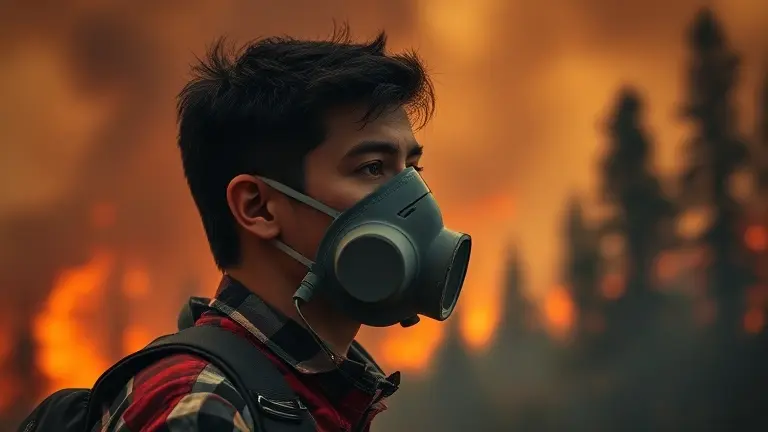
As of mid-July 2026, the arrival of thick smoke plumes from over 830 active wildfires has once again transformed the skies across the United States. From the Great Lakes to the Atlantic Coast, communities are grappling with hazardous air quality, prompting widespread health alerts and raising urgent questions about how to safely endure the season. While the current ‘heat dome’ and atmospheric conditions are driving this smoke southward, the reality is that wildfire-impacted air has become a recurring challenge that requires more than just passive monitoring.
Most news outlets are focused on the immediate ‘what’ and ‘where,’ leaving many households searching for the ‘how.’ How do you truly protect your family’s lungs when the outdoors feel increasingly inhospitable? Beyond the standard advice of staying indoors, proactive health management is essential for long-term respiratory well-being. This guide moves beyond the headlines to provide the practical, evidence-based tools you need to secure your home and fortify your body’s defenses against the fine particulate matter currently blanketing our region.
,slug:
The 2026 Canada Wildfire Situation: Current Status and Atmospheric Drivers

As of mid-July 2026, Canada wildfires have intensified into a significant seasonal challenge, with national reporting agencies confirming over 830 active fires across the country. Of these, more than 100 are currently categorized as “out of control,” necessitating aggressive fire-suppression efforts and widespread evacuations. The current scale of the canadian wildfires is largely driven by prolonged high temperatures and dry vegetative conditions, which have created a ripe environment for rapid ignition and difficult containment. These blazes are not isolated events; rather, they represent a widespread environmental stressor that has significant downstream consequences for air quality across North America.
Atmospheric Drivers and Smoke Dispersion
The primary driver behind the recent surge in smoke reaching the United States is the persistent heat dome phenomenon. This high-pressure system acts as a barrier, trapping heat and influencing prevailing winds that push massive plumes of smoke south of the border. By channeling fine particulate matter directly into the jet stream, these atmospheric conditions have led to severe air quality alerts extending from the Great Lakes region through the Northeastern United States. Major population centers, including cities in Michigan, New York, and down toward Washington D.C., have experienced notable declines in visibility and respiratory health safety.
Key factors influencing this year’s dispersion include:
- Jet Stream Alignment: Current wind patterns are effectively acting as a conveyor belt, transporting smoke from northern combustion sites directly into high-density urban corridors.
- Geographic Reach: The smoke trajectory is highly reactive, with major media outlets tracking impacts in real-time as the haze shifts according to daily pressure changes.
- Persistent Conditions: The combination of localized fires and the atmospheric ‘heat dome’ creates a cyclical effect, making it difficult for smoke to dissipate naturally without significant shift in weather patterns.
While the situation is evolving, residents in affected areas should monitor official reports regarding the Air Quality Index (AQI) closely. Understanding the mechanics of how these wildfires affect air quality is the first step toward effective mitigation and long-term preparedness.
Interactive Air Quality Safety Checklist for Your Home

As Canada wildfires continue to push dense smoke across the Midwestern and Northeastern United States, maintaining healthy indoor air quality has become a critical necessity for public safety. Fine particulate matter (PM2.5) from these wildfires can easily infiltrate residential spaces, triggering respiratory issues even in healthy individuals. To mitigate exposure during periods of poor air quality, households should implement proactive home-proofing measures immediately.
Essential Home Protection Strategies
To create a defensive barrier against the smoke and haze currently impacting North America, follow this structured checklist:
- Upgrade HVAC Filtration: Check your furnace or HVAC system filters. Replace standard filters with high-efficiency MERV 13 or higher-rated filters. These are specifically designed to capture microscopic particles, including wildfire smoke, which standard fiberglass filters allow to pass through.
- Establish a ‘Clean Room’: Designate one bedroom or interior space as a “clean room.” Keep windows and doors strictly closed. Utilize a portable HEPA air purifier in this room to continuously scrub the air of smoke particulates.
- Seal Exterior Gaps: Inspect window frames and exterior doors for air leaks. Use weather stripping or painter’s tape to seal gaps where smoke might seep in during peak alert days.
- Monitor and Cycle Air: During extreme air quality alert events, set your HVAC system to “recirculate” mode rather than “fresh air intake” to prevent pulling polluted outdoor air into your living space.
- Minimize Indoor Pollutants: During smoke events, avoid activities that add particles to the air, such as burning candles, using incense, vacuuming with non-HEPA vacuums, or gas-based cooking, as these compound the already elevated indoor particle counts.
By treating your home as a pressurized, filtered environment, you significantly reduce the physical burden on your lungs. Even as the canadian wildfires situation remains volatile, taking these steps allows you to control your immediate indoor environment and safeguard your household against the seasonal rise in poor air quality. Always monitor local AQI forecasts to determine when these protective measures are most urgently needed.
Health Risks of 2026 Wildfire Smoke: Understanding PM2.5 Exposure

As Canada wildfires continue to generate massive plumes across North America, the primary health concern for residents in the Midwestern and Northeastern United States is the inhalation of fine particulate matter, known as PM2.5. These microscopic particles, which measure less than 2.5 micrometers in diameter, are particularly dangerous because they are small enough to bypass the body’s natural respiratory defenses. Once inhaled, these particles travel deep into the lungs and can even enter the bloodstream, triggering systemic inflammation and exacerbating underlying health conditions.
Navigating AQI Levels for Vulnerable Populations
The high density of smoke from current wildfires necessitates a proactive approach to outdoor activity. For the elderly, children, and individuals with respiratory issues like asthma or heart disease, the air quality index (AQI) serves as a critical decision-making tool. When the AQI enters the “Unhealthy” or “Hazardous” ranges—often seen during peak dispersion periods in 2026—the following precautions are strongly advised:
- Limit Outdoor Exertion: Reduce or reschedule strenuous outdoor exercise when AQI levels exceed 100.
- Monitor Local Alerts: Utilize real-time tracking for your specific zip code, as smoke concentration can vary significantly over short distances.
- Create Clean Air Zones: Use high-efficiency particulate air (HEPA) purifiers in rooms where vulnerable family members spend the most time.
- Seal Home Environments: Keep windows and doors tightly shut during high-smoke alerts to prevent outdoor pollutants from compromising indoor air quality.
Evidence suggests that repeated exposure to this level of particulate matter can lead to long-term respiratory sensitivity. By understanding that PM2.5 is not just a nuisance but a significant physical irritant, residents can better safeguard their health. During the ongoing canada wildfires 2026 season, maintaining a vigilant stance on air quality data is the most effective defense against the pervasive smoke affecting our communities.
Real-Time Air Quality Tracker: Consolidated Resources for Your Region
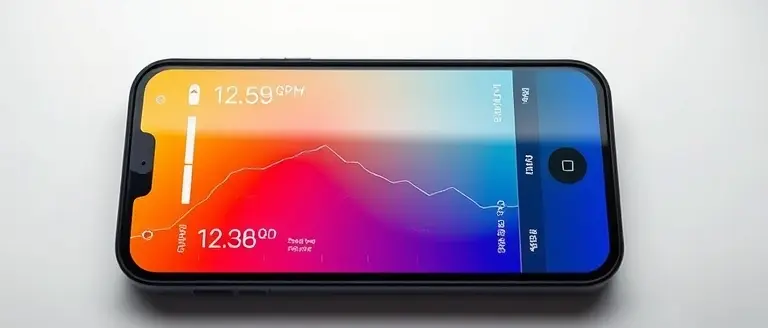
Monitoring Canada wildfires in 2026 requires a proactive approach to prevent “tab fatigue” caused by jumping between multiple news outlets. With over 830 fires currently active, regional air quality is volatile. To stay informed without being overwhelmed, rely on centralized, science-based platforms rather than reactive social media feeds. The gold standard for data in the United States remains AirNow.gov, which aggregates data from federal, state, and local agencies to provide a real-time Air Quality Index (AQI) specific to your zip code. By bookmarking these official trackers, you receive consistent, verified information regarding the movement of smoke dispersion patterns as they shift across the Midwest and Northeast.
Understanding AQI Color-Coding
Interpreting air quality alerts is essential for daily planning. The AQI is color-coded to communicate health risk levels at a glance:
- Green (0-50): Good; air quality is satisfactory.
- Yellow (51-100): Moderate; sensitive individuals should consider limiting prolonged outdoor exertion.
- Orange (101-150): Unhealthy for sensitive groups, including those with respiratory issues.
- Red (151-200): Unhealthy; everyone should limit outdoor time.
- Purple/Maroon (201+): Very unhealthy or hazardous; emergency conditions requiring immediate indoor sheltering.
Proactive Alert Systems
Rather than manually checking maps throughout the day, utilize automated notification systems to stay ahead of the smoke. Most state environmental agencies and the EPA offer free push notifications or email alerts when your local AQI reaches sensitive levels. Apps like AirNow or local weather services allow you to set custom parameters for your specific location. By automating these updates, you ensure that you are prepared before you step outside, reducing your exposure to fine particulate matter during peak wildfires activity. Consolidating your digital resources ensures that your response to shifting air quality remains evidence-based, calm, and highly efficient.
Building Your Internal Resilience Against Smoke
Navigating the 2026 wildfire season requires more than just tracking air quality maps; it demands a comprehensive strategy that prioritizes both your environment and your personal physiology. By implementing home-proofing techniques and maintaining vigilant air filtration, you significantly reduce your exposure to harmful particulates. However, the true key to long-term health in an era of worsening air quality lies in bolstering your body’s natural defenses from the inside out.
While sealing windows and using HEPA filters are essential steps for your home, protecting your body from the inside out is just as critical when particulate matter is constantly in the air. Wildfire smoke is more than just an inconvenience; it is a source of inflammation that targets the gateway to your respiratory system—your oral microbiome. By fortifying your oral health, you provide a proactive barrier, helping to maintain sinus integrity and respiratory resilience during periods of persistent poor air quality.
ProDentim offers a unique approach to this challenge, functioning as an essential component of your health defense toolkit. By supporting a healthy oral microbiome, you are taking a sophisticated, science-backed step toward mitigating the effects of environmental pollutants. This isn’t just about oral hygiene; it’s about foundational health support that keeps you resilient when the air outside turns against you.
 Support your respiratory and sinus defenses against environmental stress—learn how ProDentim can help you stay resilient this wildfire season.Protect My Respiratory Health Now