
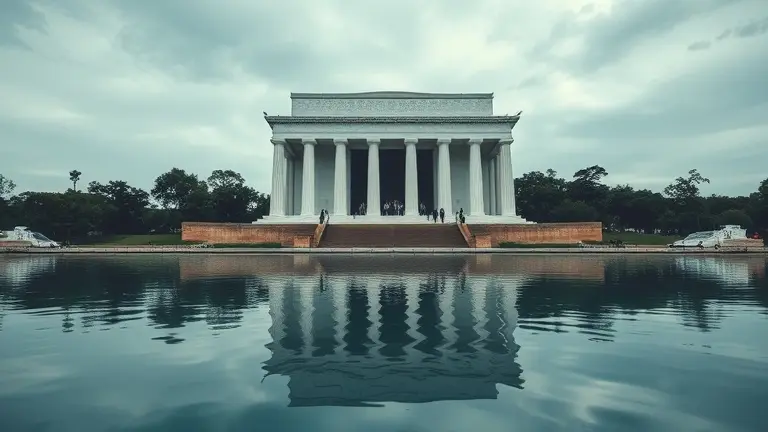
When the iconic Lincoln Memorial reflecting pool recently turned a jarring shade of swampy green instead of the intended ‘American Flag Blue,’ the headlines focused almost exclusively on the political fallout. Yet, beneath the media frenzy lies a compelling, overlooked engineering mystery: how a high-profile, state-sponsored initiative descended into a chemical failure. For those familiar with large-scale water feature maintenance, the disaster was not merely a shock, but a predictable consequence of overlooking the complex synergy between pH balance, filtration capacity, and chemical additives. The incident serves as a stark case study in the fragility of engineered environments when precision and technical validation are sidelined in favor of optics.
Understanding this failure requires us to move past the shouting match and examine the raw mechanics of the pool’s ecosystem. The abrupt shift in color was likely caused by a chemical incompatibility between the proposed dye and the pool’s existing biological stabilization system, leading to rapid algae oxidation. This technical mishap, which necessitated a total emergency draining of the landmark, underscores a fundamental truth about complex projects: without rigorous, proven oversight and a mastery of the underlying structural requirements, even the most ambitious visions will inevitably fail. In a world of high-stakes maintenance and construction, there is simply no margin for error when you ignore the blueprints of reality.
The Lincoln Memorial Reflecting Pool: Recent Maintenance Challenges and Restoration Status
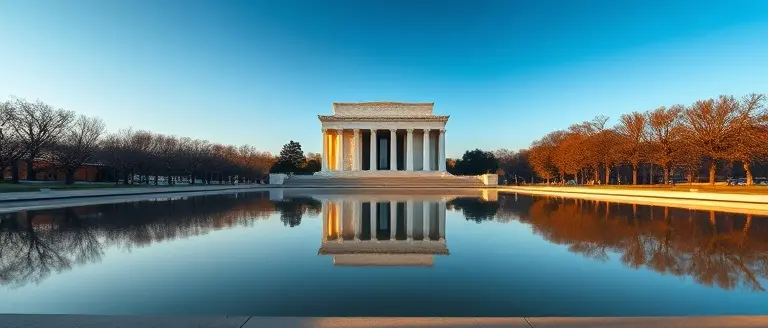
The Lincoln Memorial Reflecting Pool has become the center of significant technical scrutiny following a failed renovation initiative in July 2026. The project, which aimed to dye the water a specific “American Flag Blue,” resulted in an unintended chemical reaction that rapidly transformed the water’s appearance to a murky green. Following this failure, officials ordered the pool to be drained to prevent long-term damage to the limestone and concrete basin, as well as to mitigate potential ecological impacts on the surrounding national park grounds. Current emergency repairs are underway to neutralize the chemical additives and restore the filtration systems to their standard operational parameters.
Timeline of the Maintenance Failure
The sequence of events leading to the current closure highlights the complexities of maintaining historic water features. While the initiative was intended to enhance the visual appeal of the site, the technical implementation faced immediate complications:
- Initialization: The application of the dye was intended to provide a vibrant aesthetic, but the concentration levels and pH balance of the pool were not adequately adjusted to accommodate the chemical additives.
- The Reaction: The interaction between the dyes and the existing algae-prevention chemicals within the reflecting pool infrastructure led to rapid discoloration. Evidence suggests that the specific dye compound oxidized when exposed to high ultraviolet levels, shifting the pigment.
- Restoration Status: As of mid-July 2026, the pool remains empty. Maintenance crews are performing comprehensive diagnostic tests to ensure no residue remains that could impede future water clarity.
While public discourse remains focused on the viral nature of the event, the focus of the National Park Service remains strictly on the structural integrity of the landmark. President Trump has officially stated that the reflecting pool will be put back into service once restoration efforts are finalized, though a specific date for refilling remains subject to the success of the current cleaning and water chemistry stabilization process. This event serves as a reminder of the delicate balance required to maintain a massive, open-air aquatic system against the backdrop of historic preservation requirements.
The Chemistry of Large-Scale Water Features: How D.C. Monuments Stay Clear
Maintaining the crystal-clear aesthetic of the Lincoln Memorial reflecting pool is a sophisticated engineering feat that relies on a delicate chemical balance. Because the basin holds approximately 6.75 million gallons of water in a shallow, open-air environment, it is highly susceptible to biological contamination, most notably the rapid growth of algae. To keep the water clear, facilities management typically employs a multi-stage filtration system combined with precise chemical dosing. This process usually involves recirculating the water through massive sand filters and applying carefully calibrated levels of chlorine or specialized algaecides to prevent microbial blooms while protecting the integrity of the limestone and granite infrastructure.
The recent failure, which saw the pool turn a vibrant, unintended green, highlights the volatility of introducing non-standard dyes or chemical additives into a managed aquatic system. When a new substance is introduced to a large-scale water feature, it can trigger unforeseen reactions:
- PH Imbalance: Rapid shifts in water chemistry can neutralize the pool’s buffering agents, causing sudden mineral precipitation or metal oxidation.
- Biological Interaction: Certain pigments act as nutrients for specific strains of aquatic algae. If a dye contains organic compounds that are not biologically inert, it can inadvertently act as a “fertilizer,” leading to explosive algal growth that turns clear water murky green almost overnight.
- Filter Clogging: If the dye interacts with existing water treatment chemicals, it can create flocculants—solid particles that bypass filtration or clog the intake systems, rendering the entire purification cycle ineffective.
Managing a historic reflecting pool requires maintaining an exact, neutral environment. The transition from a blue-tinted goal to a green failure suggests that the introduced chemical agents interfered with the pool’s existing oxidation-reduction potential. Without a strictly controlled chemical baseline, any additive can cause a domino effect, leading to the emergency drainage and restoration procedures currently being observed. This serves as a reminder that the iconic clarity of these monuments is not a passive state, but a result of rigorous, scientific maintenance protocols that prioritize chemical stability above all else.
Engineering Challenges: Why Shallow Water Pools are Surprisingly Complex
Maintaining a reflecting pool of this magnitude is a significant engineering undertaking that goes far beyond simple aesthetics. Unlike standard swimming pools, which rely on high-velocity turnover and enclosed filtration systems, the Lincoln Memorial Reflecting Pool functions as a massive, shallow basin exposed to direct sunlight and environmental debris. The primary challenge lies in water chemistry; because the water is so shallow, it heats up rapidly under the Washington, D.C. sun, creating an ideal environment for algae and bacterial proliferation.
When external agents—such as specialized dyes—are introduced into this delicate ecosystem, they can disrupt the existing chemical equilibrium. The recent failed attempt to color the water “American Flag Blue” illustrates the complexity of balancing pH levels and algaecides. In chemistry, dyes are often organic compounds that react unpredictably with chlorine or other sanitizing agents. If the water’s alkalinity or chlorine concentration is not perfectly calibrated to the specific dye’s molecular structure, oxidation occurs. This oxidation process can shift the spectral reflection of the water, turning a vibrant blue into a murky green as the chemical bonds break down and biomass begins to flourish.
Key Factors in Maintaining Shallow Water Features
- Thermal Management: Shallow depths mean the water temperature fluctuates rapidly, making it difficult for automated chemical sensors to provide accurate, real-time adjustments.
- Circulation Dynamics: To prevent stagnation in such a sprawling basin, engineers must maintain a consistent flow velocity that reaches every corner without disturbing the sediment at the bottom.
- Chemical Compatibility: Any additive must be tested for long-term stability under high-intensity ultraviolet (UV) radiation, which breaks down most artificial colorants.
- Filtration and Sedimentation: The pool requires advanced multi-stage filtration to trap microscopic debris, as even minor organic loading can trigger a rapid loss of water clarity.
Managing these systems requires precise oversight. When chemical interventions are introduced without accounting for the intense UV-induced degradation of the additive, the result is almost always a rapid shift in coloration, highlighting the fragile nature of historic water features in an urban setting.
Best Practices for Historic Water Landmark Preservation
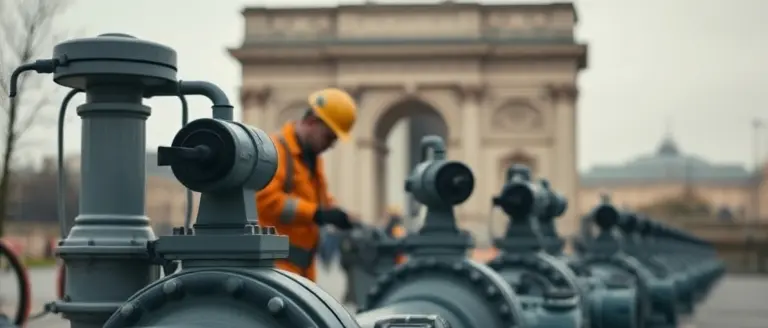
Maintaining a historic water feature like the reflecting pool at the National Mall requires a delicate balance between public-facing aesthetics and the long-term structural integrity of the site. The National Park Service (NPS) typically employs rigorous protocols to manage water chemistry, focusing on algae control, pH stabilization, and the prevention of calcification. These systems are engineered to function within narrow chemical parameters to protect the porous stone surfaces and specialized liners that define these monumental water works. When these standard protocols are bypassed for experimental modifications—such as the recent attempts to alter water color—the resulting chemical instability can lead to rapid degradation of the facility’s internal components.
Risks of Chemical Interference
Experimental dyes and unauthorized chemical additives pose significant dangers to historic landmark infrastructure. In environments as vast as the reflecting pool, the introduction of non-standard compounds often interferes with existing filtration and aeration equipment. The recent transformation of the water into a green hue highlights the volatility of these chemical reactions; once a balance is disrupted, uncontrolled biological growth can occur, causing:
- Surface Staining: Chemical residues can permanently bond to historic concrete or stone substrates.
- Corrosion of Mechanical Systems: Non-buffered additives can accelerate wear on pumping and filtration machinery.
- Complex Remediation: Reverting a landmark to its baseline state requires time-intensive draining, specialized cleaning, and costly chemical neutralization.
Long-Term Stewardship Protocols
Professional preservationists emphasize that long-term stewardship must prioritize infrastructure safety over temporary visual trends. Standard maintenance cycles rely on pH-neutral algaecides and periodic turbidity testing to ensure the water remains clear while shielding the surrounding masonry from erosion. By adhering to established engineering standards, federal agencies prevent the emergency structural repairs that often follow high-profile, non-scientific modifications. Preservation is inherently a conservative practice, where the objective is to ensure that these landmarks remain functional for generations to come rather than catering to short-term aesthetic mandates that threaten their physical survival.
Precision is the Only Path to Success
The Lincoln Memorial saga is a cautionary tale that echoes far beyond the marble steps of Washington. It reminds us that when technical execution is rushed or unverified, the result is almost always costly, public, and avoidable. Whether you are maintaining a historic landmark or working on a home project, the bridge between a brilliant vision and a disastrous outcome is always found in the quality of your planning. When you rely on speculation rather than proven, structural accuracy, you aren’t just taking a risk; you are setting yourself up for failure.
This is where the difference between an amateur attempt and a professional result becomes clear. Much like the government’s failure to account for the specific technical demands of their renovation, many of us approach personal projects with half-baked ideas, only to find our own ‘green pool’ moments. Achieving true craftsmanship requires blueprints that have been tested under fire—designs that eliminate guesswork and provide the technical certainty necessary to execute every step with total confidence.
Ted’s Woodworking offers the precise, battle-tested oversight that was so clearly missing in the Reflecting Pool initiative. By providing a library of over 16,000 professional-grade plans, it ensures that your work is backed by technical rigor, allowing you to avoid the amateur mistakes that lead to project failure. Don’t leave your next project to chance; discover the library of over 16,000 precision-tested plans to ensure your results are always exactly as planned.
 Don’t leave your next project to chance; discover the library of over 16,000 precision-tested plans to ensure your results are always exactly as planned.Get My Professional Plans Now!