
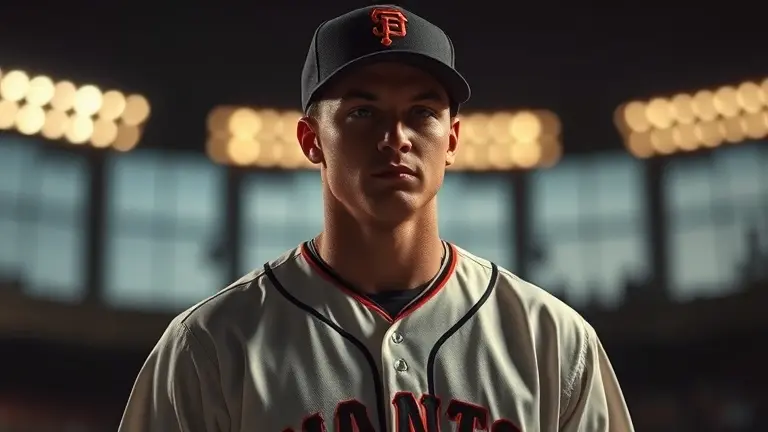
The 2026 MLB Draft has ignited a firestorm of nostalgia and anticipation in San Francisco, centering on a name that has dominated baseball headlines for decades: Barry Bonds. However, the current spotlight isn’t on the Hall of Fame-caliber stats of the past, but on the future. The Giants’ selection of Peyton Bonds—nephew of the legendary Barry and grandson of the iconic Bobby Bonds—has officially ushered in the next generation of baseball royalty. This moment serves as more than just a draft choice; it is a profound exploration of what it means to inherit a legacy.
As we watch Peyton navigate the inevitable comparisons to his uncle, we are reminded that greatness is rarely accidental. It is a process of disciplined construction, where every prospect must layer their own development over the foundation laid by those who came before. In this deep dive, we examine the weight of inherited talent in the 2026 class and explore how modern athletes are tasked with building their own identities within the rigid blueprints of family history.
The Next Chapter: Peyton Bonds Joins the San Francisco Giants
The 2026 MLB Draft marked a symbolic homecoming for one of baseball’s most storied families, as the San Francisco Giants officially selected outfielder Peyton Bonds. As the nephew of Barry Bonds and the grandson of the late, legendary Bobby Bonds, Peyton’s arrival in the organization re-establishes a profound connection between the franchise’s past achievements and its future aspirations. This selection has reignited widespread interest in the Bonds legacy, reminding fans that the surname remains intrinsically linked to the history of professional baseball in the Bay Area.
Bridging the Generational Gap
The decision by the Giants to draft Peyton Bonds is more than a sentimental gesture; it serves as a bridge between distinct eras of the franchise. While Barry Bonds secured his place in history as one of the game’s greatest hitters, the organization now turns its attention to integrating the next generation into a modern, data-driven developmental system. The presence of the Bonds name within the clubhouse brings an immediate, high-profile narrative that few other prospects carry.
Key aspects of this significant draft selection include:
- Inherited Expectations: Peyton enters the system under the intense scrutiny that naturally follows a family member of an MLB legend, yet he must forge his own professional identity independent of his uncle’s career.
- Organizational Continuity: By drafting within the family lineage, the Giants are leaning into the “dynasty” narrative, connecting the raw potential of the 2026 prospect class with the deep-rooted pedigree of the Bonds family.
- Systemic Development: Unlike the era when Bobby and Barry thrived, Peyton will navigate the current, specialized prospect pipeline, offering a unique opportunity to evaluate how elite baseball traits translate across three generations.
By prioritizing this pick, the Giants have successfully captured the attention of baseball enthusiasts nationwide. Whether Peyton can rise to the major leagues remains to be seen, but his entry into the San Francisco organization ensures that the legacy of the Bonds family continues to influence the organization’s trajectory for years to come.
The Bonds Dynasty: A Legacy Family Tree
The lineage of the Bonds family represents one of the most significant bloodlines in Major League Baseball history. The dynasty began with patriarch Bobby Bonds, a dynamic outfielder who combined power and speed during his 14-year career, most notably with the San Francisco Giants. His son, Barry Bonds, elevated the family name to global prominence, securing his place among the greatest to ever play the game through record-breaking home run totals and unparalleled plate discipline. With the selection of Peyton Bonds in the 2026 MLB Draft, the Giants have effectively welcomed the third generation of this baseball royalty back into the fold, reigniting the narrative surrounding the Bonds surname.
The Pressure of the Name
Bearing the Bonds name in a Giants uniform invites immediate, intense scrutiny. For Peyton, the transition from prospect to professional is not merely about athletic skill; it is about managing the psychological weight of a legacy that includes an uncle who dominated the sport for two decades. Historical data on legacy athletes suggests that while familial knowledge provides a unique developmental advantage, the expectations from both media and fans can be stifling. Key aspects of this transition include:
- Institutional Memory: Peyton enters a franchise that intimately understands the mechanics, temperament, and work ethic that defined both Bobby and Barry Bonds.
- Comparison Trap: Analysts frequently measure the output of descendants against the peak statistical performance of their predecessors, creating a high bar for early-career development.
- Organizational Continuity: The Giants’ decision to draft Peyton signals a strategic interest in sustaining the cultural connection between the team’s historical success and its future roster construction.
This intersection of history and potential makes the 2026 arrival of another Bonds an essential case study in modern scouting. While the statistics of the past remain untouchable, the focus for the organization now shifts to how this young prospect will navigate the distinct challenges of inheriting a dynasty.
Inherited Talent: Analyzing the 2026 Draft Class Legacies
The 2026 MLB Draft has reignited discussions regarding the value of baseball pedigree, with the San Francisco Giants’ selection of Peyton Bonds serving as the focal point of the conversation. As the nephew of Barry Bonds and grandson of Bobby Bonds, Peyton enters a professional system already deeply acquainted with his family’s illustrious history. This draft class is unique, as it features several legacy prospects—including the sons of legends like CC Sabathia and Jim Thome—who are navigating the transition from high-profile high school or collegiate careers to the professional ranks. While these players possess the benefit of elite tutelage and inherent familiarity with the rigors of the sport, they also face an intensified spotlight that non-legacy prospects rarely encounter.
The Dynamics of Legacy and Performance
Evidence suggests that MLB organizations view a strong family lineage as a “floor-raising” asset. Teams operate under the assumption that legacy players possess a nuanced understanding of clubhouse culture, media demands, and the dedication required for long-term survival in the majors. However, this creates a distinct form of pressure:
- Heightened Expectations: Legacy prospects are often subjected to immediate comparisons to their predecessors, making the path to individual identity significantly steeper.
- Scouting Premium: Modern analytics departments are increasingly questioning whether talent scouting places an outsized premium on “names” versus raw, data-driven potential.
- Psychological Maturity: Unlike the average draftee, these prospects have spent their entire lives observing how professional stars—like the legendary Barry Bonds—managed their fame and fitness, providing them with a unique roadmap for professional navigation.
While talent evaluators maintain that performance metrics remain the primary driver for draft selection, the “Bonds factor” in San Francisco underscores the marketing and historical value that a famous name brings to a franchise. Peyton Bonds’ journey will be monitored not just for his defensive range or batting average, but as a test case for how a third-generation talent thrives when the weight of a legendary surname is placed on their shoulders.
The Weight of the Jersey: Developing Prospects in the Shadow of Greatness

Entering professional baseball with a legendary surname invites a unique brand of scrutiny, and for Peyton Bonds, the selection by the San Francisco Giants in the 2026 MLB Draft brings the Bonds family legacy back to the forefront of the organization. While Barry Bonds remains a polarizing figure in baseball history due to his record-breaking home run statistics, the pressure on a third-generation prospect is less about mirroring past numbers and more about carving out a distinct professional identity. The Giants’ developmental staff is acutely aware that, for players like Peyton, the “shadow of greatness” can be an overwhelming psychological barrier that hampers growth if not managed with intentional care.
Navigating the Legacy Narrative
The San Francisco Giants have signaled that their primary strategy for Peyton Bonds involves insulating him from the inevitable public comparisons to his uncle, Barry Bonds, and grandfather, Bobby Bonds. Modern player development now emphasizes holistic coaching, which balances physical training with the mental fortitude required to handle high-profile expectations. To help prospects like Peyton navigate the spotlight, the organization likely focuses on:
- Separation of Identity: Encouraging the prospect to establish his own professional standards rather than attempting to replicate the specific swing mechanics or power profiles of his predecessors.
- Expectation Management: Utilizing team psychologists to help young players manage the intense media scrutiny that accompanies the Bonds name.
- Legacy vs. Utility: Emphasizing that while pedigree provides visibility, long-term success is predicated on individual performance metrics, speed, and defensive instincts—the “tools” that scouts value regardless of lineage.
By shifting the focus from the historical weight of the surname to the specific developmental roadmap for the 2026 class, the Giants aim to ensure that this next generation of talent is defined by their own professional contributions. As evidenced by similar paths taken by other dynasty prospects, the goal is to transform the name from a source of pressure into a source of inspiration, allowing the player to flourish within the franchise that once hosted his family’s most iconic moments.
Crafting Your Own Enduring Legacy
The 2026 MLB Draft has reminded us that while talent may be hereditary, the burden of expectation is uniquely personal. Peyton Bonds steps into the professional arena with a name synonymous with baseball greatness, tasked with navigating the immense pressure of his uncle Barry Bonds’ shadow. This journey from prospect to professional is not just about raw athleticism; it is about the meticulous assembly of one’s own career, block by block, failure by failure, until a masterpiece is formed.
Just as Peyton Bonds is handed a professional blueprint to follow in the footsteps of his legendary family, you might be looking for a reliable, step-by-step blueprint to build your own masterpiece. Whether you are a hobbyist or an aspiring master crafter, the key to success lies in eliminating the guesswork. Ted’s Woodworking offers an unparalleled library of over 16,000 professional, workshop-tested plans, acting as the ultimate architect toolset for your projects.
By leveraging these precise, proven blueprints, you can bypass the frustration of trial-and-error and focus entirely on the craftsmanship that brings your vision to life. Much like an athlete honing their skills through structured training, you can construct a tangible legacy of your own, ensuring every cut and measurement leads to a result of lasting value. Stop guessing and start creating with the confidence of a pro.
 Build your own legacy today with precision-tested blueprints; get started with your first project at Ted’s Woodworking.Yes, I Want to Build My Legacy Now!