
Netflix is currently navigating a perfect storm of cultural and financial volatility. As the countdown to the Q2 2026 earnings report intensifies, Wall Street is laser-focused on how the platform’s aggressive push into ad-tier subscriptions is fundamentally altering subscriber engagement metrics. Simultaneously, a viral social media trend has emerged—the #PreparingForMyNetflixDoc meme—which mercilessly mocks the formulaic, high-drama tropes that have become synonymous with the platform’s non-fiction hits. These two phenomena are not as disparate as they seem; they both point to an aggressive “Netflixification” of our leisure time, where content is crafted not just to entertain, but to be mathematically optimized for continuous, mindless consumption.
Behind the glossy production values and the strategic talk of potential acquisitions—like the rumored takeover of the film-tracking platform Letterboxd—lies a deeper, often overlooked issue: the cognitive toll of this hyper-curated, binge-first architecture. While Netflix bets its future on turning every viewer into a data-generating ad unit, audiences are beginning to report a strange sense of “mental zombification.” As we analyze how these streaming giants are attempting to colonize our movie culture, we must also confront the impact of this endless stimulation on our own ability to focus, think, and recharge. It is time to look beyond the earnings calls and the viral memes to understand what is really happening to our minds when we press “play.”
Netflix at a Cultural and Financial Crossroads: July 2026
As of mid-July 2026, Netflix finds itself navigating a high-stakes convergence of fiscal pressure and cultural volatility. Investors are currently laser-focused on the upcoming Q2 2026 earnings report, with market analysts scrutinizing the platform’s transition toward aggressive ad-revenue monetization. The central question for Wall Street is whether the current ad-tier strategy—designed to boost average revenue per user—is successfully balancing top-line growth with the retention of the platform’s massive global subscriber base.
The Strategic Shift in Content and Community
Beyond the spreadsheets, the company is attempting a fundamental shift in how it interacts with cinephiles. Reports of a potential acquisition of Letterboxd signify an ambition to own the “social layer” of film culture. By integrating such a platform, Netflix would move beyond being a mere content library, instead positioning itself as the primary destination for discovery and critical discourse. This move is not without competition, as a bidding war involving Sony suggests that the industry recognizes the immense value of aggregated user data and curated film communities.
The ‘Netflix Documentary’ Phenomenon
Simultaneously, the brand is grappling with a viral cultural critique. The “Preparing For My Netflix Doc” meme highlights a growing audience cynicism toward the platform’s non-fiction formula. This trend reveals an interesting paradox in contemporary media:
- Standardized Tropes: Users are increasingly identifying the specific cinematic “language” used in true-crime and celebrity features.
- Engagement vs. Authenticity: While the “Netflixification” of non-fiction remains commercially lucrative, the meme culture suggests a desire for more nuanced storytelling.
- Cultural Impact: Much like the “Heartstopper” effect, which demonstrated the platform’s unique ability to drive tangible, real-world book sales, these viral moments underscore that the brand’s influence extends far beyond the streaming interface.
Ultimately, whether through financial maneuvering or the inevitable evolution of its content tropes, Netflix remains the central architect of the modern streaming experience, balancing the demands of shareholders with the shifting tastes of a hyper-aware digital audience.
Q2 Earnings Preview: Decoding the Ad-Revenue Shift
As investors look toward the Netflix Q2 2026 earnings report scheduled for July 16, the primary narrative centers on the platform’s aggressive pivot toward an ad-supported business model. Financial analysts are closely monitoring whether the company’s push for ad-revenue growth can effectively offset the plateauing subscriber numbers in mature markets. Evidence suggests that the ad-tier is no longer just a secondary offering but the engine of future profitability. For the average viewer, this transition is increasingly tangible, manifesting in more frequent ad interruptions and shifts in content curation strategies designed to keep users locked into the ecosystem for longer durations.
The Impact on Viewer Experience
The shift toward monetization has forced a delicate balancing act between maximizing advertising dollars and maintaining the “binge-watching” user experience that initially defined the platform. Key factors influencing the current landscape include:
- Ad-Load Frequency: There is notable market observation regarding increased ad density, particularly during high-engagement reality and documentary series.
- Pricing Strategy: The divergence between the ad-tier and premium ad-free plans is widening, pushing price-sensitive consumers into the ad-supported environment to boost ARPU (Average Revenue Per User).
- Algorithmic Curation: Netflix is increasingly favoring content that sustains high completion rates, essentially “programming” for ad-retention rather than just critical acclaim.
As the company reports its performance this week, the industry will be watching to see if this strategy has successfully converted casual viewers into consistent ad-impressions. While the financial upside is clear for shareholders, the long-term impact on subscriber engagement remains the critical variable. If the platform continues to prioritize ad-load volume over user experience, there is a risk of alienation, a factor that will likely be addressed during the upcoming investor call regarding future content spend and retention tactics.
The Letterboxd Bidding War: Owning the Cultural Conversation
The reported pursuit of Letterboxd by Netflix signifies a massive strategic pivot in the streaming landscape. As the competition for eyeballs intensifies against rivals like Sony, Netflix is moving beyond the role of a passive content host to actively curating the cultural conversation surrounding cinema. By integrating a platform where millions of cinephiles log, rate, and discuss their watchlists, Netflix would gain unprecedented access to granular consumer sentiment, effectively turning the social layer of film discovery into its own proprietary marketing engine.
Strategic Implications for Film Discovery
Acquiring a social powerhouse like Letterboxd allows Netflix to influence what users define as “essential viewing.” By centralizing film criticism and discovery, the platform could theoretically steer trends in real-time, aligning its vast content library with the authentic tastes of the most vocal film enthusiasts. This move presents both a massive opportunity and a significant risk:
- Algorithmic Synergy: Netflix could leverage Letterboxd’s user-generated metadata to refine its recommendation engines, moving away from simple viewing history toward a more nuanced, “socially verified” content strategy.
- Monetization of Sentiment: Integrating advertising tiers with social recommendations could create a closed-loop system where users watch, review, and discover their next favorite show without ever leaving the Netflix ecosystem.
- Cultural Centralization: Critics worry that an acquisition might stifle the platform’s independent, community-driven spirit, potentially commodifying genuine film discussion to serve corporate growth targets.
Ultimately, this bidding war is not just about assets; it is about infrastructure. If Netflix succeeds, it will effectively “own” the gatekeepers of film discourse, cementing its position not just as a service provider, but as the primary architect of modern cinematic culture. Whether this preserves the purity of film critique or subjects it to the constraints of ad-revenue requirements remains the central tension in this high-stakes acquisition play.
The Netflix Doc Formula: Why We Are Hooked (and Cynical)
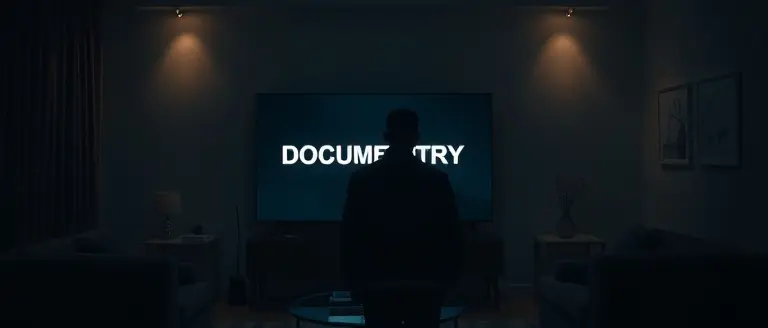
The current viral social media trend, “Preparing For My Netflix Doc,” serves as both a humorous internet meme and a sharp critique of the platform’s distinct approach to non-fiction storytelling. As viewers grow increasingly savvy, they have begun to identify the repetitive “Netflix formula”—a cinematic blueprint that prioritizes high-stakes tension, moody, synth-heavy soundtracks, and aggressive cliffhanger editing. By blending dramatic reenactments with rapid-fire pacing, Netflix has perfected a style that keeps audiences engaged, yet leaves them questioning the authenticity of the narrative. This trend highlights a growing cynicism toward the “Netflixification” of true-crime and celebrity biographies, where complex reality is often sanded down to fit a predictable, binge-worthy arc.
Decoding the Narrative Toolkit
To understand why these productions command so much attention, one must look at the specific tropes employed by the studio:
- The Cliffhanger Hook: Each episode concludes on a jarring revelation, forcing the viewer to bypass the “next episode” countdown automatically.
- Aesthetic Minimalism: The use of moody, desaturated color palettes and slow-motion B-roll that elevates mundane moments into moments of perceived profound significance.
- The “Expert” Testimony: A reliance on talking heads whose perspectives are tightly edited to serve the specific thematic angle of the episode.
Beyond these documentary tropes, the platform’s cultural reach is undeniable, extending far past the television screen. The “Heartstopper” effect serves as a primary case study for this phenomenon, where a single streaming success ignited a massive, global book-buying boom. This transition from digital stream to physical retail demonstrates that Netflix does not just host content; it dictates cultural consumption habits. While the meme trend mocks the predictable nature of its documentaries, it simultaneously reinforces the platform’s dominance as the primary architect of modern pop-culture discourse. Ultimately, audiences remain hooked because the formula is engineered to tap into universal psychological drivers of suspense and curiosity, even when they are fully aware of the manipulative craft behind the curtain.
Breaking the Cycle of Algorithmic Fatigue
As we peel back the layers of Netflix’s latest documentary formulas and wait to see if a Letterboxd acquisition will turn our movie-watching into an even more gamified obsession, it is clear that the platform is winning the war for our attention. But while these stories are engineered to keep us hooked, our brains often pay a steep price for this constant, low-effort stimulation. The “zombie” feeling you experience after a four-hour true-crime marathon isn’t just exhaustion; it is a direct consequence of high-stimulation, passive consumption.
If you find yourself struggling with focus or mental sharpness after your latest streaming binge, it is time to stop being a passive participant in your own cognitive decline. We need a reset, not just for our watchlists, but for our neural pathways. This is where The Brain Song acts as your cognitive reset button, allowing you to reclaim your attention capacity from the relentless clutches of algorithmic entertainment.
By leveraging neuroscience-backed principles, this tool provides a clear, science-based path to reversing that thick mental fog and restoring the mental clarity you deserve. It is the perfect antidote to a culture that wants you to keep scrolling and watching at the expense of your own sharpness. It is time to step away from the screen and restore your cognitive rhythm.
 Reclaim your focus: Discover how 12 minutes of The Brain Song can help you clear the mental fog left by your latest streaming marathon.Yes, I Want to Restore My Clarity Now!