
After a summer defined by record-breaking heatwaves that left many across the U.S. longing for relief, the arrival of the Old Farmer’s Almanac Fall Forecast 2026 offers a much-needed roadmap for the months ahead. As millions of homeowners and gardeners look toward the cooling transition of autumn, these long-range predictions provide the critical insight needed to plan everything from planting schedules to travel getaways. Whether you are bracing for an early frost or hoping for a lingering, mild Indian summer, understanding the Almanac’s regional methodology is the first step in reclaiming your comfort.
While modern meteorology relies heavily on satellite data and numerical models, the Almanac’s enduring popularity stems from its unique, century-old blend of solar science, climatology, and lunar cycles. By breaking down the upcoming season on a state-by-state basis, this guide doesn’t just offer high-level summaries—it provides the actionable intelligence required to navigate the changing weather patterns with confidence. As we pivot toward shorter days and crisp evenings, it is time to look at the forecast not just as weather news, but as a blueprint for the season.
Understanding the 2026 Fall Forecast Trend: Why We’re Looking Ahead
The emergence of the Old Farmer’s Almanac fall forecast in early July 2026 arrived at a pivotal moment for millions of Americans. As record-breaking summer heatwaves have dominated news cycles across the US, the publication’s release has transitioned from a traditional agricultural curiosity into a high-utility resource for climate-conscious consumers. By providing a long-range outlook, the Almanac offers a sense of psychological and practical relief to those currently managing through extreme thermal stress, helping households transition their expectations from sweltering humidity to the anticipated respite of autumn.
Driven by Meteorological Volatility
The significant spike in search volume surrounding the 2026 predictions is not merely rooted in nostalgia; it is a direct response to increasing meteorological instability. As weather patterns become more erratic, the public is searching for structured, long-term outlooks to facilitate effective planning for:
- Agricultural preparation: Timing harvest schedules and garden winterization.
- Travel planning: Scheduling fall foliage excursions and late-season vacations.
- Energy management: Preparing for the shift in HVAC demands as temperatures eventually dip.
This trend highlights a growing desire for predictability in an era where traditional seasonal norms are frequently disrupted. While the Almanac relies on proprietary, historical methodology—contrasting sharply with the dynamic, satellite-based modeling used by agencies like NOAA—its longevity provides a sense of continuity. Whether one approaches these forecasts with scientific skepticism or genuine reliance, the data suggests that for most, the appeal lies in the ability to project a timeline onto the coming months, turning the abstract uncertainty of future weather into a manageable, actionable calendar. By looking ahead, Americans are attempting to reclaim a measure of control over their environments in a rapidly shifting climate.
Regional Breakdown: What to Expect in Your Area This Autumn
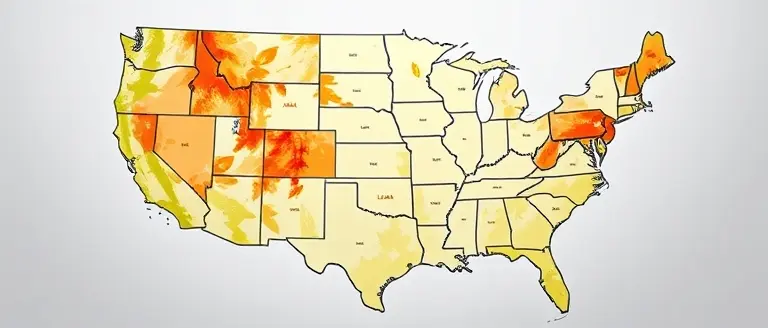
The Old Farmer’s Almanac fall forecast for 2026 suggests a varied transition as the United States shifts away from the intense, record-breaking summer heat. While general cooling trends are expected, the Almanac’s long-range models indicate that relief will arrive unevenly across the country. Understanding these geographical nuances is essential for planning late-season gardening, home maintenance, and autumn travel. Below is a regional breakdown of what residents should anticipate as the foliage turns and temperatures begin their seasonal descent.
Northeast and Midwest: A Crisp Transition
In the Northeast and Midwest, the transition into fall is expected to be more traditional than in recent years. Data suggests that temperatures will trend toward the cooler side of historical averages by mid-October. Homeowners should prepare for a shorter growing season, as the first frost may arrive slightly earlier than usual in northern zones. Precipitation is expected to remain near or slightly above average, providing a boost for foliage colors, though it may necessitate earlier leaf-clearing schedules.
The South: Lingering Warmth
For those in the South, the relief from summer’s heat will be gradual. The Old Farmer’s Almanac predicts that high-pressure systems may keep temperatures above historical norms well into September and October. While the oppressive humidity of July and August will eventually subside, expect an extended, mild autumn. This lingering warmth is ideal for late-season planting, provided residents monitor soil moisture levels, as some parts of the Deep South may experience periods of drier-than-normal conditions.
The West: Variability and Dryness
The West remains the most complex region in the 2026 forecast. Coastal areas can expect a gradual cooling trend, but inland regions may face persistent heat anomalies through the early autumn months. Key takeaways for the West include:
- Temperature: Continued reliance on climate control systems in the Southwest due to delayed cooling.
- Precipitation: Generally lower-than-average rainfall, maintaining the emphasis on water conservation and wildfire awareness.
- Actionable Advice: Gardeners should prioritize drought-resistant flora to accommodate the drier conditions predicted for the upcoming season.
By aligning your seasonal activities with these regional trends, you can better navigate the shift in weather patterns and make the most of the autumn months ahead.
Practical Fall Planning: Gardening and Travel Tips Based on the Forecast
Integrating the Old Farmer’s Almanac fall forecast into your seasonal planning offers a proactive approach to managing both home projects and recreational activities. While long-range meteorological predictions carry inherent uncertainty, they provide a valuable baseline for adjusting your calendar. If you reside in areas where the forecast suggests a delayed cooling trend, you may need to pivot your agricultural and travel strategies to account for an extended summer-like climate.
Gardening Strategies for a Shifting Autumn
For home gardeners, the arrival of the first frost is the single most critical factor for success. According to the 2026 fall forecast, many regions should brace for variable temperature swings, which directly impacts the planting of cool-season crops.
- Adjusting Planting Windows: If the Almanac predicts a warmer-than-average October, delay the planting of sensitive winter greens to prevent premature bolting caused by residual soil heat.
- Frost Protection: Utilize the regional outlook to anticipate the first frost dates. Have frost blankets or row covers prepared early for your late-season kale, spinach, and broccoli.
- Soil Management: With relief from summer heat expected, use the cooler evenings to focus on late-season soil amending and planting cover crops, which benefit from the moisture levels often associated with the transition to fall.
Travel Planning and Leaf-Peeping
For those looking to escape the heat or plan a scenic getaway, the Old Farmer’s Almanac data serves as a guide for timing your travel. Peak foliage events are highly dependent on cooling trends; if the forecast indicates a lingering heatwave in the Midwest or Northeast, plan your leaf-peeping excursions for later in the season to ensure optimal color changes. Conversely, if you are looking to avoid humidity, use these long-range projections to identify sub-regions where drier, crisp air is likely to settle in earlier, ensuring a more comfortable travel experience as you transition through September and November.
The Science and Sentiment Behind the Almanac’s Methodology
The Old Farmer’s Almanac fall forecast has remained a staple of American culture for over two centuries, often sparking curiosity about how such long-range predictions are formulated. Unlike modern meteorological agencies that rely heavily on supercomputer-driven atmospheric models and real-time satellite telemetry, the Almanac employs a proprietary formula established by its founder, Robert B. Thomas, in 1792. This methodology focuses on three primary scientific pillars: solar activity, climatology, and meteorology. By analyzing recurring patterns in solar cycles and historical weather trends, the Almanac creates broad seasonal outlooks that aim to identify anomalies well before they occur.
Balancing Historical Tradition with Modern Skepticism
While the Almanac maintains a dedicated following, it is essential for readers to view these predictions as a supplementary planning tool rather than an absolute meteorological guarantee. Critics often point to the limitations of long-range forecasting, noting that local microclimates can easily shift predicted trends. To maintain its authority, the publication emphasizes that its predictions are based on statistical probability rather than exact day-to-day precision.
Key elements of their analytical approach include:
- Solar Science: Evaluating the impact of sunspot cycles and solar magnetic activity on Earth’s climate patterns.
- Historical Climatology: Reviewing data from previous decades to identify recurring temperature and precipitation cycles.
- Atmospheric Cycles: Incorporating established weather patterns, such as the influence of ocean temperature fluctuations, to project seasonal shifts.
By blending these traditional techniques with observed climate data, the Almanac provides a unique perspective that resonates with gardeners, farmers, and outdoor enthusiasts. While it may not replace the precision of a 10-day local forecast, the Old Farmer’s Almanac fall forecast serves as a reliable seasonal guide for those seeking to understand the broader trends shaping their autumn experience.
Transform Your Home Into an Autumn Sanctuary
With the 2026 fall forecast now in your hands, you can finally move beyond the uncertainty of summer’s extreme conditions and begin planning your season with precision. Whether the Almanac predicts an early transition to cool air for your region or a warmer, drier stretch, the key to a successful autumn lies in how effectively you adapt your outdoor and living spaces to the cooling climate.
Now that you know what to expect from the climate in your region this fall, it is the perfect time to tackle those home improvement projects you have been putting off while waiting for cooler, manageable weather. Bringing your vision to life requires the right tools and professional guidance, which is exactly where Ted’s Woodworking becomes your most valuable seasonal asset. With access to over 16,000 professional-grade plans, you can take the guesswork out of building beautiful, durable outdoor furniture or functional garden structures that turn your yard into a climate-ready haven.
This isn’t just about building; it is about preparing your home for the months of enjoyment that fall promises. By utilizing these meticulously tested plans, you transform abstract weather data into a tangible, productive hobby that ensures you get the absolute most out of your home before winter arrives.
 Ready to build your ideal fall setup? Download these 16,000 workshop-tested plans and start your seasonal project today.Yes, I Want to Start My Project Now!