
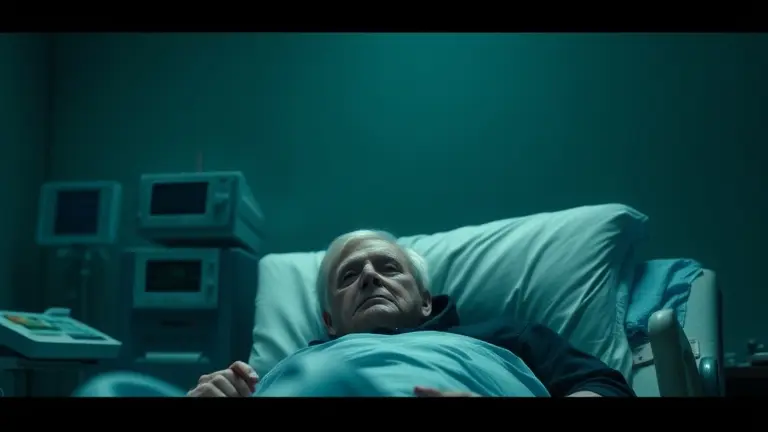
The prolonged hospitalization of Senator Mitch McConnell has sparked a wave of public concern and media speculation, leaving many to wonder about the true status of the long-serving legislator. With his office maintaining significant opacity regarding the specific nature of his condition, the news cycle has been dominated by questions surrounding his recovery and his future in political life. Given his age and history of health incidents, these unanswered questions have only intensified, creating a void often filled by misinformation as voters seek clarity in a turbulent political climate.
Is Mitch McConnell still alive, and what is his current condition? As of mid-July 2026, official reports indicate the Senator remains under medical care; however, the lack of granular detail has led to legitimate confusion. In this article, we aim to cut through the noise, distinguishing between verified updates and groundless speculation while addressing the broader context of why such health disclosures remain a point of contention in modern governance.
Current Status of Senator Mitch McConnell’s Hospitalization

As of mid-July 2026, Senator Mitch McConnell remains hospitalized, a situation that has persisted for approximately one month. This extended duration of medical care has generated significant public interest and widespread media speculation regarding the health status of the long-serving legislator. Amidst the ongoing news cycle, many concerned citizens have been searching for confirmation regarding his well-being, specifically asking, “is mitch mcconnell still alive?” Based on verified reports from outlets such as ABC17NEWS and CNN, it is confirmed that the Senator is currently under medical supervision. While the lack of specific clinical updates has fueled rumors, there have been no credible reports suggesting that the Senator has passed away.
What We Know vs. What Remains Unclear
The communication strategy adopted by the office of Senator Mitch McConnell has been marked by significant opacity, which is a primary driver behind the current volume of mitch mcconnell news. To distinguish between verified information and conjecture, it is helpful to categorize the current situation:
- Verified Status: The Senator has been hospitalized for four weeks. His medical team has not provided a diagnosis or a specific prognosis regarding his discharge.
- The Transparency Gap: His spokespeople have declined to disclose the underlying reasons for his admission. This level of privacy is often standard for high-ranking political figures, yet it stands in contrast to the intense public demand for transparency regarding the health of individuals in high office.
- Context of Age and History: Given Mitch McConnell’s age and his past public health incidents, observers are rightfully sensitive to updates. However, without official clinical disclosures, any claims regarding his long-term recovery remain purely speculative.
The current situation highlights the tension between a public official’s right to medical privacy and the public’s expectation for transparency concerning the health of legislators. As we monitor the latest senator mitch mcconnell news, it remains essential to rely on official statements rather than viral social media reports to understand the status of his recovery and any potential impacts on his legislative responsibilities.
Official Statements vs. Public Speculation

The ongoing hospitalization of Senator Mitch McConnell has created a significant information vacuum, leading to a stark divide between verified reports and the growing wave of public conjecture. As of mid-July 2026, the silence from his office regarding the specific medical reasons for his month-long stay has prompted widespread questions, including the trending inquiry, “is mitch mcconnell still alive?” To navigate this period of uncertainty, it is essential to distinguish between confirmed facts and the inevitable speculation that arises when high-profile political health details are withheld.
What We Know
- Hospitalization Status: Official channels have confirmed that the Senator has been receiving medical care for approximately one month.
- Media Reporting: Reputable outlets, including CNN and ABC17NEWS, have highlighted the unprecedented duration of this medical stay, confirming that the office has declined to provide specific diagnoses or recovery timelines.
- Historical Context: Public concern is heightened by mitch mcconnell’s age and previous high-profile health incidents, which have historically drawn intense media scrutiny toward his physical well-being.
What We Don’t Know
- Medical Diagnosis: The office has maintained a restrictive communication strategy, leaving the public and media to speculate on the nature and severity of his condition.
- Prognosis: There is currently no official timeline regarding his return to the Senate or his ability to resume leadership duties.
- Transparency Standards: The lack of clarity has triggered a broader debate regarding the level of disclosure expected from elderly legislators. While the Senator’s team emphasizes privacy, the public demand for accountability remains high.
This disconnect highlights the tension between personal medical privacy and the public interest in the stability of legislative leadership. Without formal clinical disclosures, the narrative surrounding mitch mcconnell news remains volatile, relying on incomplete fragments rather than verified medical reporting. Until his team chooses to share more comprehensive updates, the uncertainty regarding his health will continue to fuel intense public and political curiosity.
Historical Health Context and Legislative Impact

The current period of hospitalization for Senator Mitch McConnell occurs against a backdrop of long-standing scrutiny regarding his physical well-being. As a figure who has served in the United States Senate since 1985, his mitch mcconnell age and historical health incidents have frequently been subjects of public interest. Notable moments in his recent medical history include instances where he appeared to experience brief “freezing” episodes during press conferences, which prompted widespread media coverage and questions about his fitness to continue serving. While his office has historically attributed such incidents to lightheadedness or fatigue, the repetitive nature of these events has contributed to a climate where his health status is closely monitored by constituents and political analysts alike.
The impact of his current one-month absence on Senate operations is significant, given his long tenure as a central figure in Republican leadership. In the United States Senate, the physical presence of a member is often critical for maintaining tight legislative margins. His absence raises pertinent questions regarding:
- Legislative Momentum: The ability of the GOP caucus to advance agenda items without one of its most experienced strategists on the floor.
- Procedural Voting: The reliance on party-line votes means that extended absences can stall or shift the outcome of pending legislation.
- Leadership Succession: Ongoing senator mitch mcconnell news naturally sparks internal party discussions about stability and long-term organizational continuity.
While the public often queries if Mitch McConnell is still alive, the legislative reality is that the Senate continues to function under established protocols for member absences. There is no official indication that the leadership structure has been permanently altered due to his current status. However, the lack of granular information regarding his condition creates a vacuum that complicates party messaging, as the Senate navigates a complex legislative calendar without one of its most influential members. Ultimately, the focus remains on whether the current leadership can maintain cohesion during this period of uncertainty.
The Broader Context of Congressional Health Transparency

The current situation surrounding Mitch McConnell’s health has ignited a broader national conversation regarding the transparency standards expected of aging legislators. As the public seeks clarity on Senator Mitch McConnell news, there is an increasing disconnect between the traditional privacy afforded to elected officials and the modern public demand for accountability. In an era of heightened political sensitivity—often fueled by the recent passing of other high-ranking officials—citizens are no longer content with vague briefings. When a senior leader remains hospitalized for an extended duration without a clinical explanation, it naturally triggers widespread speculation, leading many to search for updates on Mitch McConnell’s age and his current survival status.
Balancing Medical Privacy vs. Public Interest
The debate over what details should be disclosed regarding the well-being of government leaders hinges on the tension between personal medical privacy and the public’s right to know. Key considerations include:
- Duty of Disclosure: Proponents of transparency argue that because these individuals hold significant power over national policy, the public deserves to know if their representatives are physically and cognitively capable of performing their duties.
- Legal and Ethical Privacy: Conversely, many medical experts emphasize that high-ranking officials are entitled to the same HIPAA-protected privacy as any private citizen, and that forced disclosures could deter leaders from seeking necessary care.
- Institutional Stability: A lack of official information, such as the current strategy regarding Senator Mitch McConnell, often creates an information vacuum. This void is frequently filled by rumors, which can inadvertently destabilize public trust and disrupt political operations.
Ultimately, the ambiguity surrounding the mitch mcconnell health reports highlights a systemic lack of standardized protocols for reporting the health status of members of Congress. As the American electorate ages alongside its representatives, the pressure on institutions to modernize their communication strategies will likely continue to intensify, necessitating a clearer path forward for balancing privacy with the expectation of transparency in leadership.
Prioritizing Your Own Cognitive Longevity
As we monitor the ongoing news regarding Senator Mitch McConnell, the broader conversation inevitably turns toward the complexities of aging and the importance of maintaining mental vitality. The lack of transparency surrounding high-profile health cases often leaves the public feeling unsettled, prompting valid concerns about how we navigate our own physiological and cognitive health as we move through our later years.
As we examine the public’s heightened focus on cognitive clarity and the complexities of aging in high-pressure roles, many of our readers are asking what they can do to support their own long-term mental sharpness. This is precisely why we advocate for proactive, science-backed wellness strategies that go beyond mere observation of others.
The Brain Song offers a unique, non-invasive approach to combating age-related cognitive decline by utilizing auditory stimulation designed to help maintain focus and mental preservation. By incorporating this tool into your daily routine, you are taking a tangible step toward prioritizing your neurological health, ensuring that you remain sharp and present, regardless of external headlines.
 Discover how to sharpen your focus and support your brain health with The Brain Song.Protect My Cognitive Health Today