
The landscape of American fast food is undergoing a tectonic shift as 46 Dairy Queen franchise locations have shuttered their doors nationwide in the last 24 hours. The closures, which many analysts are calling a symptomatic ‘franchise meltdown’ beginning in early 2025, have left consumers in several states facing a harsh reality—none more so than Alaska, which is now left with just a single operational location. This rapid contraction has sent shockwaves through local communities, sparking intense debate over whether these closures are a result of insurmountable operational costs, shifting demographic trends, or a systemic failure in corporate strategy.
For many, the loss of these DQ locations is not just a commercial closure; it represents the end of an era of easy, accessible indulgence. While the headlines focus on the ‘what’ and ‘where,’ the deeper question remains: why is this specific model struggling to survive in the current economic climate? As we track the decline of these ‘sugar hubs,’ it becomes clear that consumer behavior is evolving. Whether you are navigating a new ‘DQ desert’ or simply reassessing your relationship with the high-sugar snacks that once dominated your routine, the time has come to look beyond the ice cream counter and consider the long-term impact on your metabolic health.
The 2026 Dairy Queen Downsizing: 46 Locations Shut Down Nationwide
The American retail landscape is currently grappling with a significant shift in the quick-service restaurant industry as Dairy Queen franchise locations closed in high volume this week. Reporting from July 8–9, 2026, confirms that 46 establishments have shuttered their doors across the United States. These Dairy Queen closures mark a substantial contraction for the iconic ice cream brand, which has struggled to maintain its expansive national footprint amidst ongoing economic headwinds. Analysts are increasingly characterizing this wave of closures as the latest chapter in a broader “franchise meltdown” that has plagued the system since the beginning of 2025.
Impact on Regional Accessibility
The geographic impact of these closures has been particularly acute in specific markets, leaving many consumers searching for their local treats in what are rapidly becoming “DQ deserts.” Perhaps most jarring is the situation in Alaska. Following this latest round of downsizing, the entire state has been reduced to just one single, operational Dairy Queen location. This drastic reduction highlights the vulnerability of remote or high-cost-of-living franchise territories when faced with national operational instability.
Key details regarding the current state of the brand include:
- National Scale: 46 distinct storefronts have ceased operations as of mid-July 2026.
- Statewide Deficits: Alaska now faces a near-total loss of the brand, creating a monopoly-like scenario for the final remaining store.
- Franchisee Trends: The closures reflect a trend of Dairy Queen franchisee locations closed due to systemic pressures rather than isolated performance issues.
While the exact fiscal triggers remain under investigation, the timing—hitting consumers during the height of the summer season—has amplified the negative public sentiment. These events signal a structural challenge for the corporate brand, as it attempts to balance its long-standing status as a “beloved ice cream franchise” with the realities of rising overheads and a tightening labor market. Investors and patrons alike are closely monitoring the situation to see if this contraction stabilizes or if the franchise model will require a deeper strategic pivot to prevent further losses throughout the remainder of the year.
Geographic Impact: Mapping the New ‘DQ Deserts’
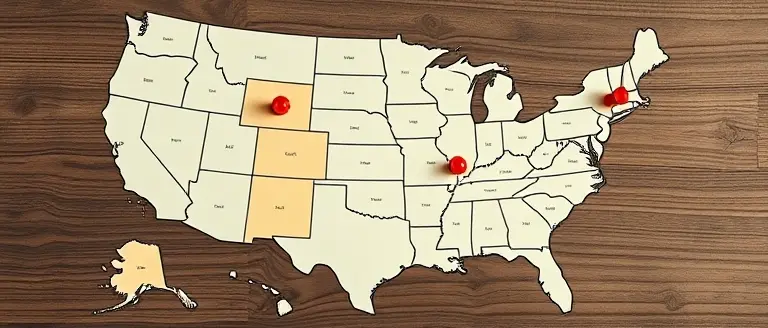
The recent announcement regarding 46 dairy queen franchise locations closed has sent shockwaves across the United States, fundamentally altering the accessibility of this beloved ice cream franchise. While closures are part of the natural lifecycle of any major chain, the sudden nature of this contraction—framed by experts as a broader franchise meltdown—points to significant structural shifts. Most notably, the state of Alaska has been decimated by these cuts, with reports confirming that only one solitary location remains operational in the entire state. This pivot leaves vast portions of the region as effectively defined “DQ deserts,” forcing consumers to reconsider their access to iconic menu staples like the Blizzard.
Regional Density and the Rise of DQ Deserts
Data suggests that while the closures are national, the impact is not uniform. The geographic footprint is retreating most aggressively in remote or high-operational-cost markets where franchisee profitability has been squeezed by supply chain inflation and labor pressures. By analyzing the current distribution, we can identify several trends regarding the remaining locations:
- Alaska: The most severely impacted state, now home to only a single remaining unit, representing a near-total withdrawal of the brand.
- Rural Corridors: Many of the dairy queen closures appear concentrated in smaller towns where the business model, heavily dependent on peak summer traffic, failed to overcome the increased costs of the 2025-2026 fiscal cycle.
- Concentrated Footprints: Remaining locations are increasingly clustering in high-density suburban areas or transit-heavy corridors, suggesting that the corporate strategy is shifting away from broad geographic saturation toward a more targeted, high-traffic model.
These “DQ deserts” are not just a loss for local communities; they represent a significant contraction of the brand’s identity as a neighborhood staple. As fans search for their nearest store, the disparity between historically well-served regions and these new voids highlights a precarious moment for the brand’s network stability. Whether this represents a temporary consolidation or a permanent retreat remains the central question for stakeholders observing this ongoing franchise meltdown.
Investigating the Franchise Meltdown: Why DQ is Struggling in 2026

The recent news that 46 Dairy Queen franchise locations closed nationwide in July 2026 has sent shockwaves through the quick-service restaurant (QSR) industry. While consumers mourn the loss of their favorite ice cream destination, industry analysts are pointing toward a deeper “franchise meltdown” that highlights systemic vulnerabilities within the brand’s business model. Evidence suggests that these Dairy Queen closures are not merely isolated incidents of poor performance, but rather a reflection of the intense economic pressures currently facing traditional QSR operators. Rising overhead costs—driven by labor shortages and inflated commodity prices—have made the standard profit margins for low-ticket items increasingly difficult to sustain.
Systemic Challenges Facing Franchisees
The tension between corporate mandates and the daily operational realities of local franchisees has reached a boiling point. Several key factors are contributing to this struggle:
- Escalating Operational Expenses: Higher costs for dairy products, energy, and localized logistics have squeezed the net profit margins for small-business owners.
- Corporate Mandates vs. Local Viability: Many franchisees report that rigid corporate-led renovation requirements and equipment upgrades are mandatory despite declining foot traffic in certain regions.
- Economic Disparities: The closure of 46 units, including a mass exit that left Alaska with only one remaining storefront, highlights how demographic shifts and high-cost environments are rendering some legacy markets unsustainable.
The current climate suggests that the traditional franchise model—relying on high volume for low-cost treats—is struggling to adapt to a 2026 landscape where consumer spending power is heavily restricted. As reports confirm that more dairy queen franchisee locations closed during the peak summer season, it becomes clear that local operators are finding it harder to maintain profitability under current royalty structures. Without significant intervention or a realignment of corporate policies to better support regional operators, the industry may see further contraction as the brand attempts to navigate this challenging economic cycle.
Corporate vs. Local: The Sentiment Behind the Closures

The recent news regarding Dairy Queen franchise locations closed has ignited a firestorm of debate across digital platforms, revealing a deep-seated divide in how consumers perceive this sudden contraction. As news of 46 shuttered sites circulates, social media sentiment indicates that the public is not merely mourning the loss of a beloved ice cream franchise; they are actively assigning blame. Analysis of current discourse suggests that while some consumers sympathize with local operators—viewing them as victims of an unsustainable business model—a significant portion of the frustration is directed squarely at corporate leadership. This tension highlights a growing skepticism regarding the viability of the brand’s current trajectory throughout 2026.
Public Perception of the ‘Franchise Meltdown’
The narrative of a “franchise meltdown” has permeated the conversation, with many observers questioning whether the brand has lost its competitive edge. Consumer sentiment tracking suggests that the closures are being interpreted through two distinct lenses:
- Corporate Accountability: Many customers argue that the brand’s strategic shifts have alienated the core demographic, suggesting that national leadership failed to support franchisees against rising operational costs.
- Local Struggles: Conversely, frequenters of specific Dairy Queen closures often express empathy for local owners, frequently citing local economic pressures or labor shortages as the primary culprits rather than individual management failure.
- Brand Mismanagement vs. Market Forces: There is a persistent debate over whether these closures represent a necessary contraction to ensure long-term solvency or if they are symptomatic of deeper structural neglect within the corporate organization.
Ultimately, the public is demanding transparency. As the brand navigates this period of volatility, the growing perception is that these dairy queen franchisee locations closed not due to a lack of local demand, but due to a disconnect between corporate mandates and the harsh economic realities of running a modern quick-service restaurant. Whether this sentiment is accurate or not, the brand’s reputation now faces a critical inflection point as loyalists navigate increasingly limited access to their favorite summer treats.
Your Path to Metabolic Wellness
The sudden wave of Dairy Queen franchise closures signals a broader shift in the fast-food landscape, reflecting both operational challenges and changing consumer demands. As we see these iconic sugar hubs disappear from our communities, we are forced to re-evaluate our dependence on the convenient but nutritionally taxing habits that defined the last decade. This cooling of the franchise market is more than just a business headline; it is an invitation to transition away from the high-sugar lifestyle that these brands promoted.
As your access to these frequent comfort-food staples diminishes, you may notice a natural, albeit challenging, shift in your daily sugar reliance. This transition phase is the perfect opportunity to take proactive control of your internal chemistry. Sugar Defender acts as the ideal metabolic bridge during this time, providing the support your body needs to stabilize blood sugar levels and maintain consistent energy without the familiar fast-food crashes. By choosing to prioritize your metabolic health now, you aren’t just reacting to a changing food landscape—you are actively upgrading your well-being.
 Reclaim your energy and stabilize your metabolism as you adapt to your changing local food landscape; discover how Sugar Defender supports your health journey here.Transform My Life Today